
Blue Ridge Parkway Wildlife & Conservation

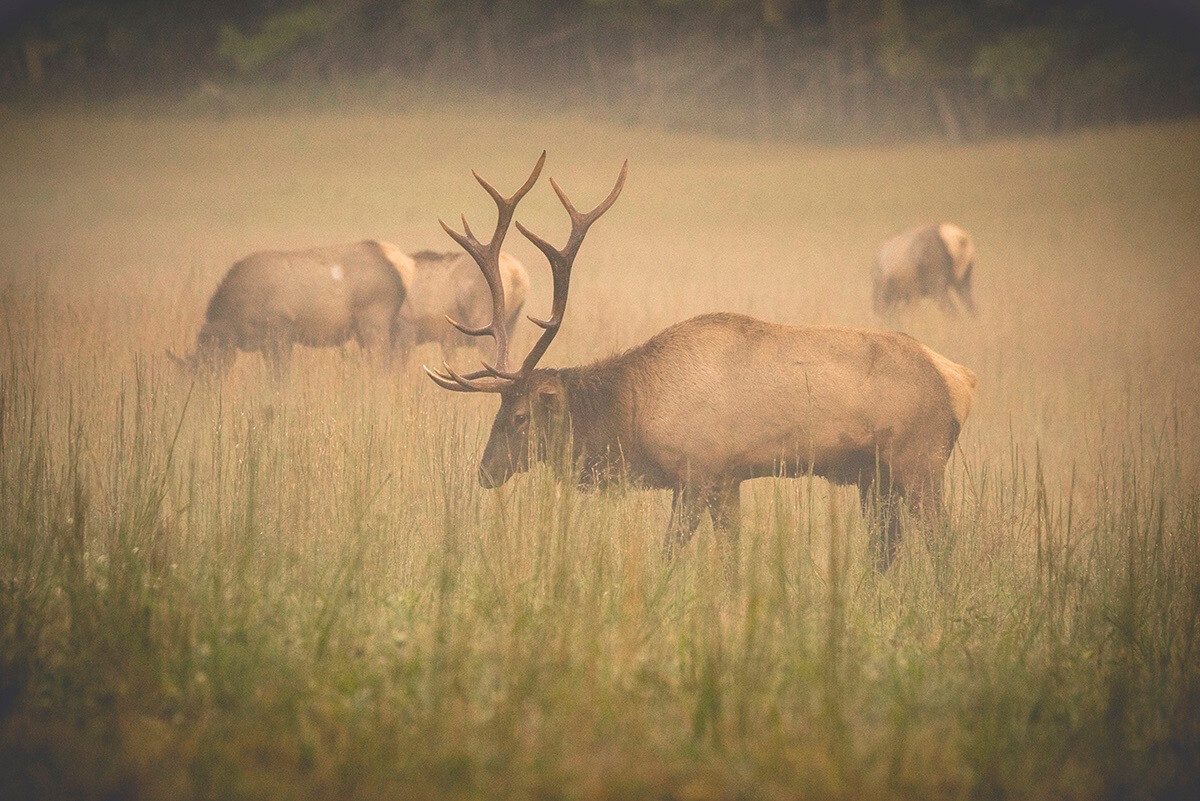
The Blue Ridge Parkway is far more than a road — it’s a journey through unique habitats that support an exceptional variety of plants and animals. World-renowned for its biodiversity, a visit may offer glimpses of white-tailed deer, wild turkey, and perhaps the elusive black bear.
Wildlife Safety & Interaction
Observing these tips is vital for the safety of both wildlife and visitors.
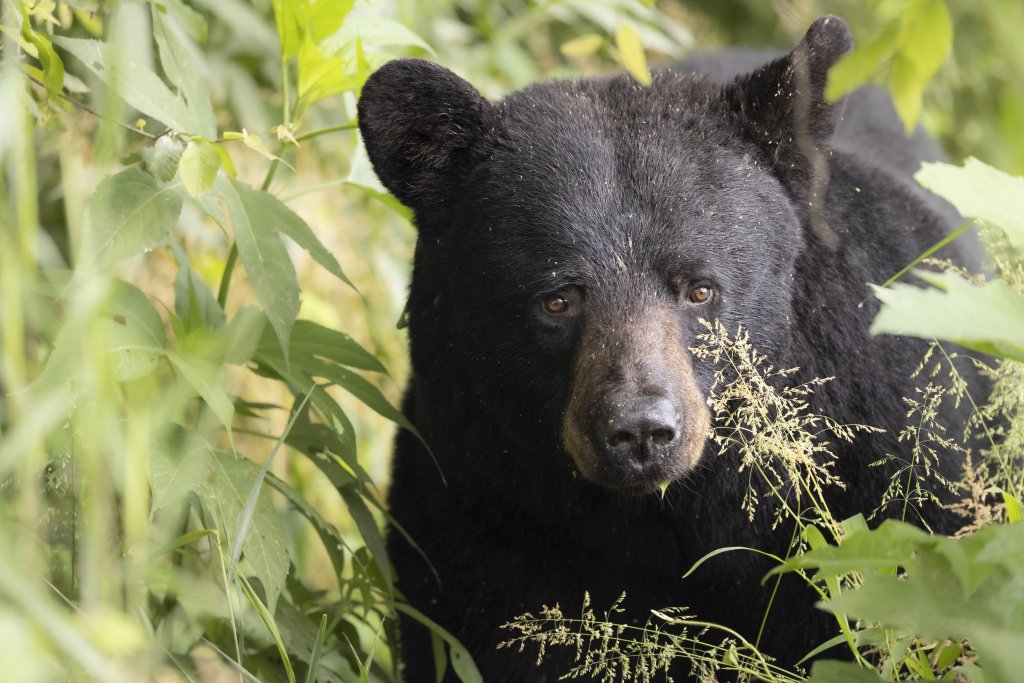
- Do Not Feed Wildlife: The best diet for all animals is a natural one. Human food can make wild animals sick. Do not feed deer, bears, or elk, especially near campgrounds and picnic areas.
- Keep Your Distance: Animals in the park should not be treated as pets or lured close enough to feed or touch. Visitors may not approach a bear, deer, or elk closer than 50 yards (150 feet). If you are close enough to cause the animal to change its behavior, you are too close.
- Report Illness: If an animal (like a chipmunk or squirrel) approaches without your encouragement, it could be a sign of illness. Please tell a Ranger.
Resource Protection & Preservation
All plants and resources growing on the Blue Ridge Parkway are protected by Federal law. Learn how you can make a difference and help protect these wild spaces:
- Stay on the Trail: Many native plants, including certain wildflowers and Galax, are threatened by foot traffic and illegal harvesting. Staying on established trails protects the biodiversity of sensitive areas (such as around Grandfather Mountain and Craggy Gardens) and prevents soil erosion.
- Poaching is Prohibited: Poaching or illegally harvesting any plant on the Blue Ridge Parkway is prohibited.
Blooms, Foliage, & Seasonal Beauty

Wildflowers
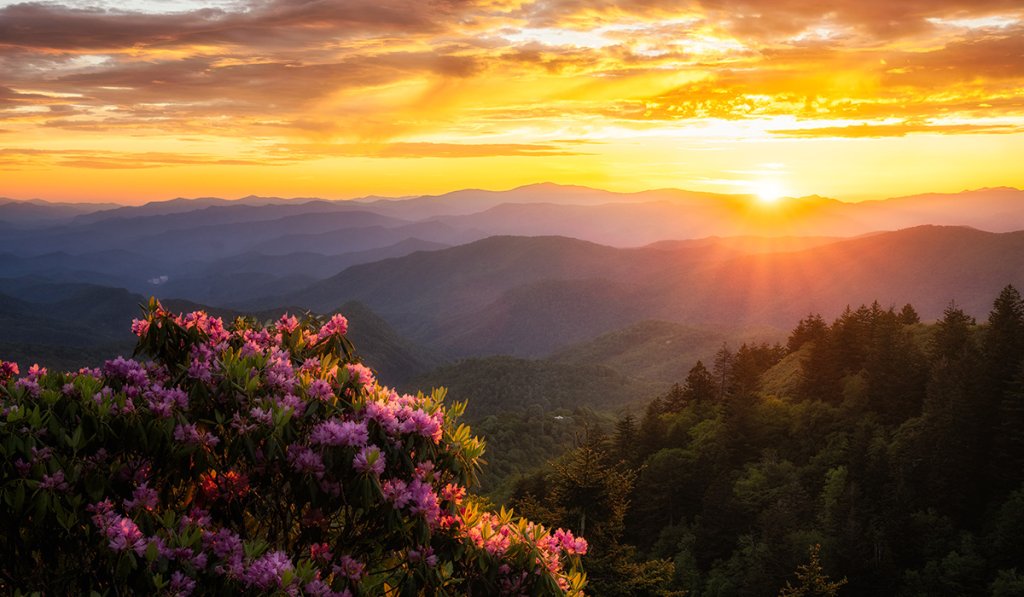
A tremendous variety of wildflowers bloom from spring through fall. While summer flowers are open in the valleys, spring blooms are just beginning on the high peaks.
Fall Color
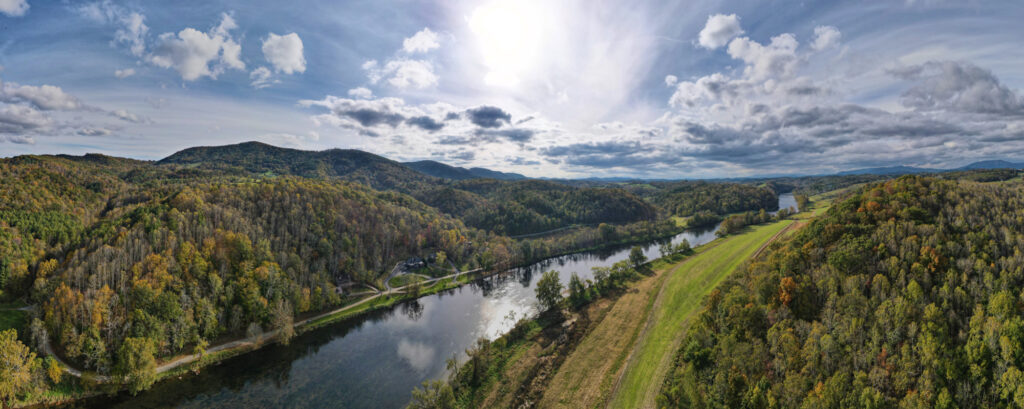
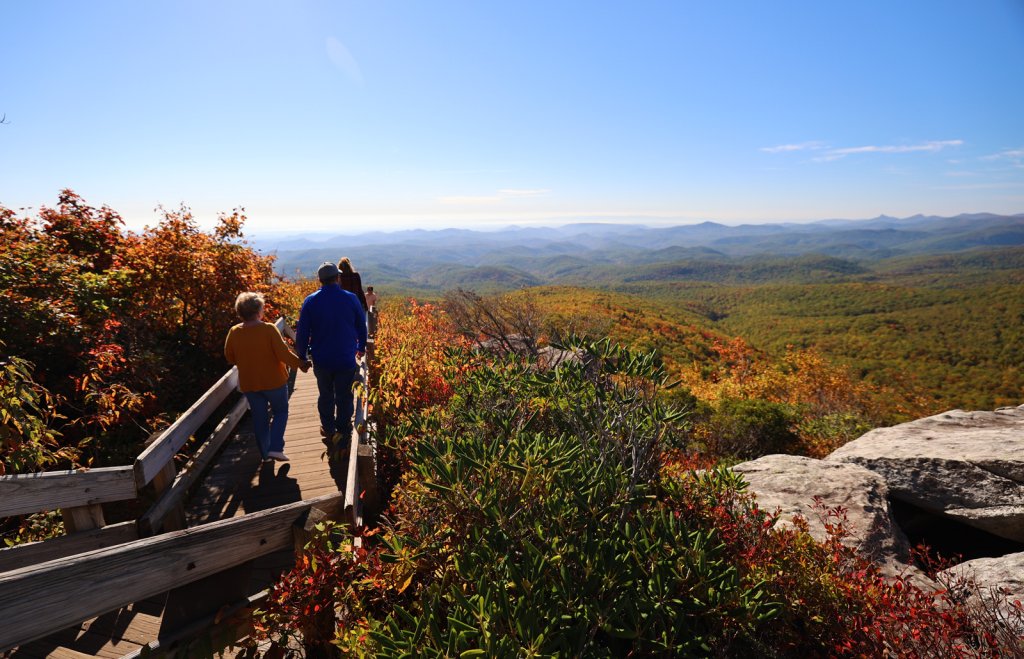
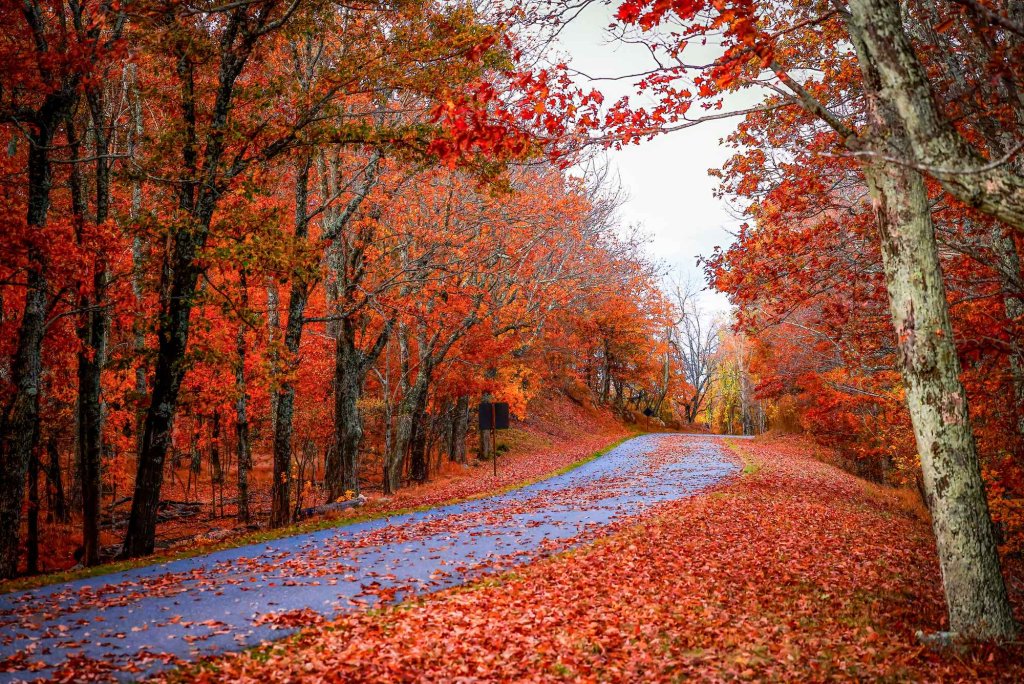
The environmental variability contributes to spectacular leaf color. Autumn color begins in the high mountains and gradually progresses to the lower slopes and valleys throughout the fall foliage season.
Fishing on the Parkway
The National Park Service protects over one hundred miles of streams and thirteen artificial lakes along the Parkway. These waters hold a special interest for anglers seeking native and stocked fish.
- Licensing: Fishing is permitted in Parkway waters with a valid state fishing license from either Virginia or North Carolina. (No special trout stamp is needed for persons under age 16).
- Regulations: Only single hook, artificial lures may be used (no live bait is permitted). Fishing is allowed from one half hour before sunrise to one half hour after sunset. Creel limits and regulations vary by location; inquire at visitor centers or Ranger stations.
- Trout Species: Most Parkway streams contain stocked Brown Trout and Rainbow Trout, but the Brook Trout is the only native trout in the Southern Appalachians. Catching a “Brookie” is a cherished experience!
- Additional Info: Find locations where permits are sold in Virginia and North Carolina. The official NPS website has additional information about fishing Parkway waters.
Birding on the Parkway
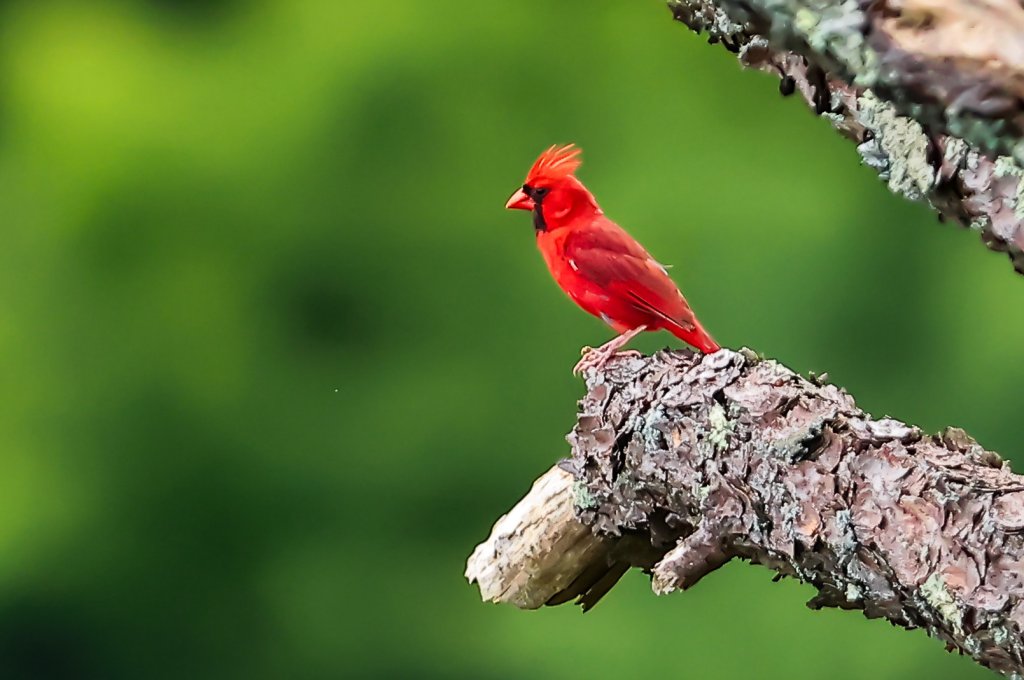


Birding along the Blue Ridge Parkway is one of the most rewarding and relaxing ways to experience the natural beauty of the mountains of North Carolina and Virginia. With more than 250 bird species found along its 469-mile route, the Parkway’s mix of elevations and habitats creates ideal conditions for spotting warblers, vireos, woodpeckers, hawks, and seasonal migrants.
Popular birdwatching locations include Humpback Rocks and Peaks of Otter in Virginia, as well as Craggy Gardens, Mount Pisgah, and Waterrock Knob in North Carolina. Whether you’re exploring forest trails or scenic overlooks, the Blue Ridge Parkway offers unforgettable birding experiences surrounded by breathtaking mountain views.
For more information, visit Birds – Blue Ridge Parkway (U.S. National Park Service).
Plants & Animals You May See
The Parkway is a unique ecological journey, as a variety of animal and plant species thrive here. Learn more about what you’re seeing and get observation tips before checking the bloom calendar to start planning your trip.
Blue Ridge Parkway Flora
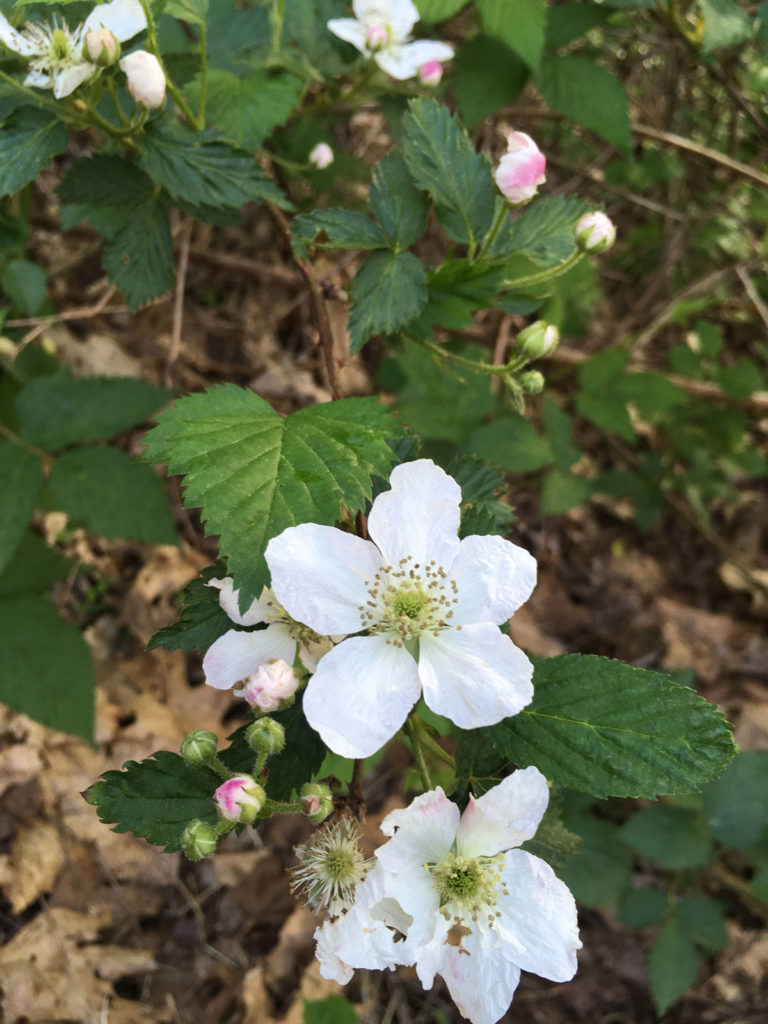
Allegheny Blackberry
Blooms: May-June
Rubus allegheniesis
Can be found commonly in both Virginia and North Carolina.
Mileposts 6, 167.2, 239.9, 305-315, 339.5, 367.6
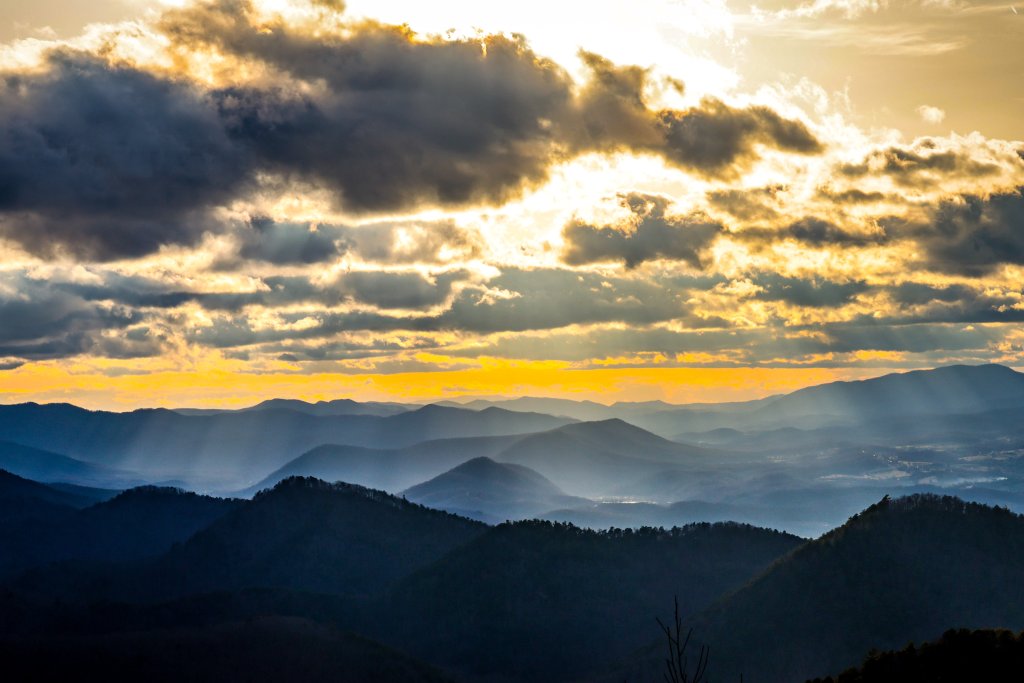
American Elder
Blooms: June-July
Sambucus canadensis
Can be found commonly in both Virginia and North Carolina.
Mileposts 29, 85.8, 136-138, 272-275, 311.2
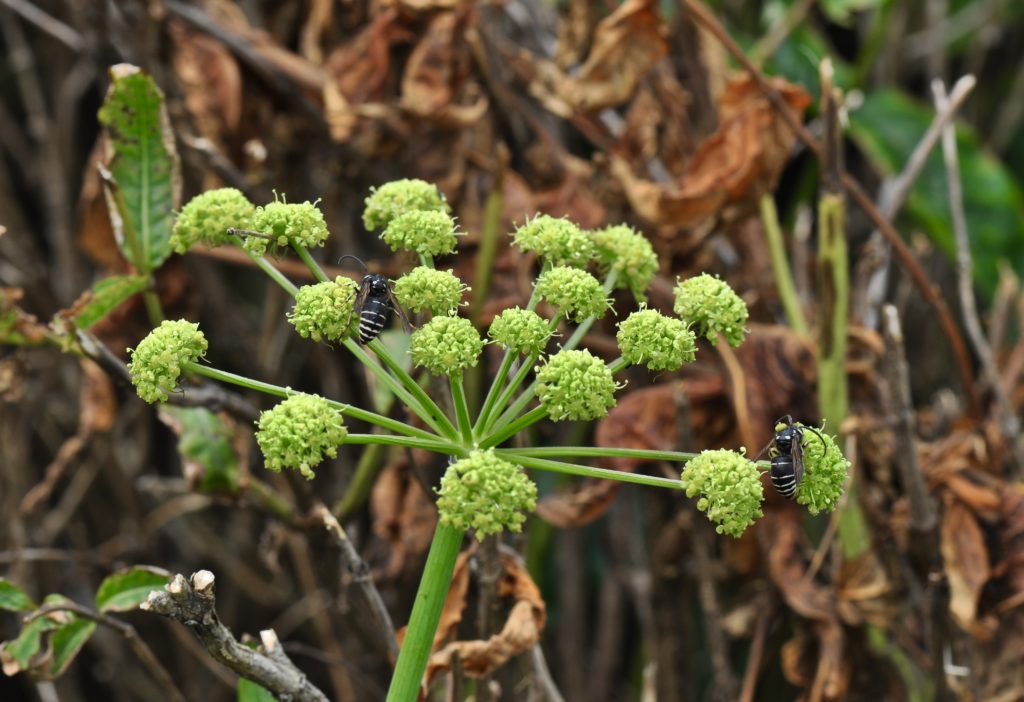
Angelica
Blooms: August-September
Angelica triquinata
Commonly found in North Carolina, at places like Craggy Gardens and local nature trails.
Mileposts 294.7, 339.5, 355

Aster
Blooms: September
Aster spp.
Common in fields and along roadside.
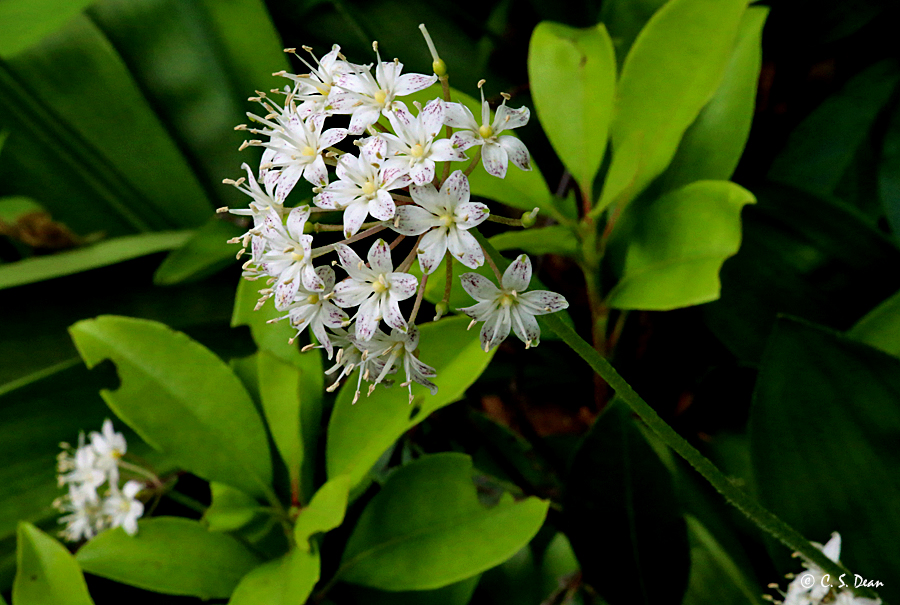
Bead Lily, Speckled Wood Lily
Blooms: May-June
Clintonia umbellulata
Common in rich, moist deciduous woods.
Mileposts 294.7, 339.5, 355
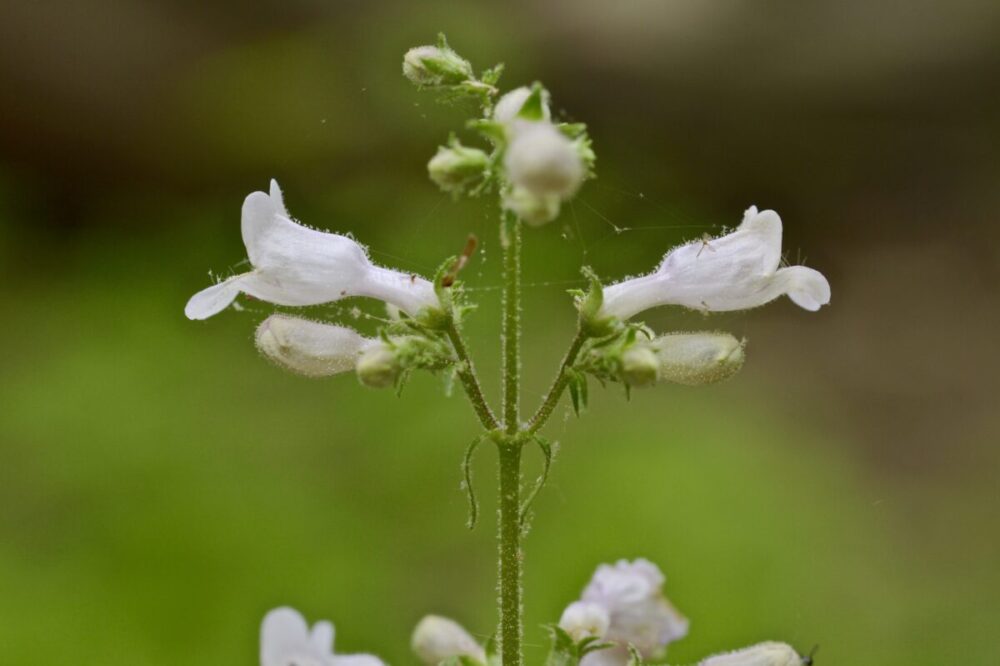
Beard-Tongue
Blooms: June-July
Penstemon spp.
Grows commonly in both Virginia and North Carolina.
Mileposts 44.4, 89-91, 154.5 PA, 254.4, 339-340, 370-372
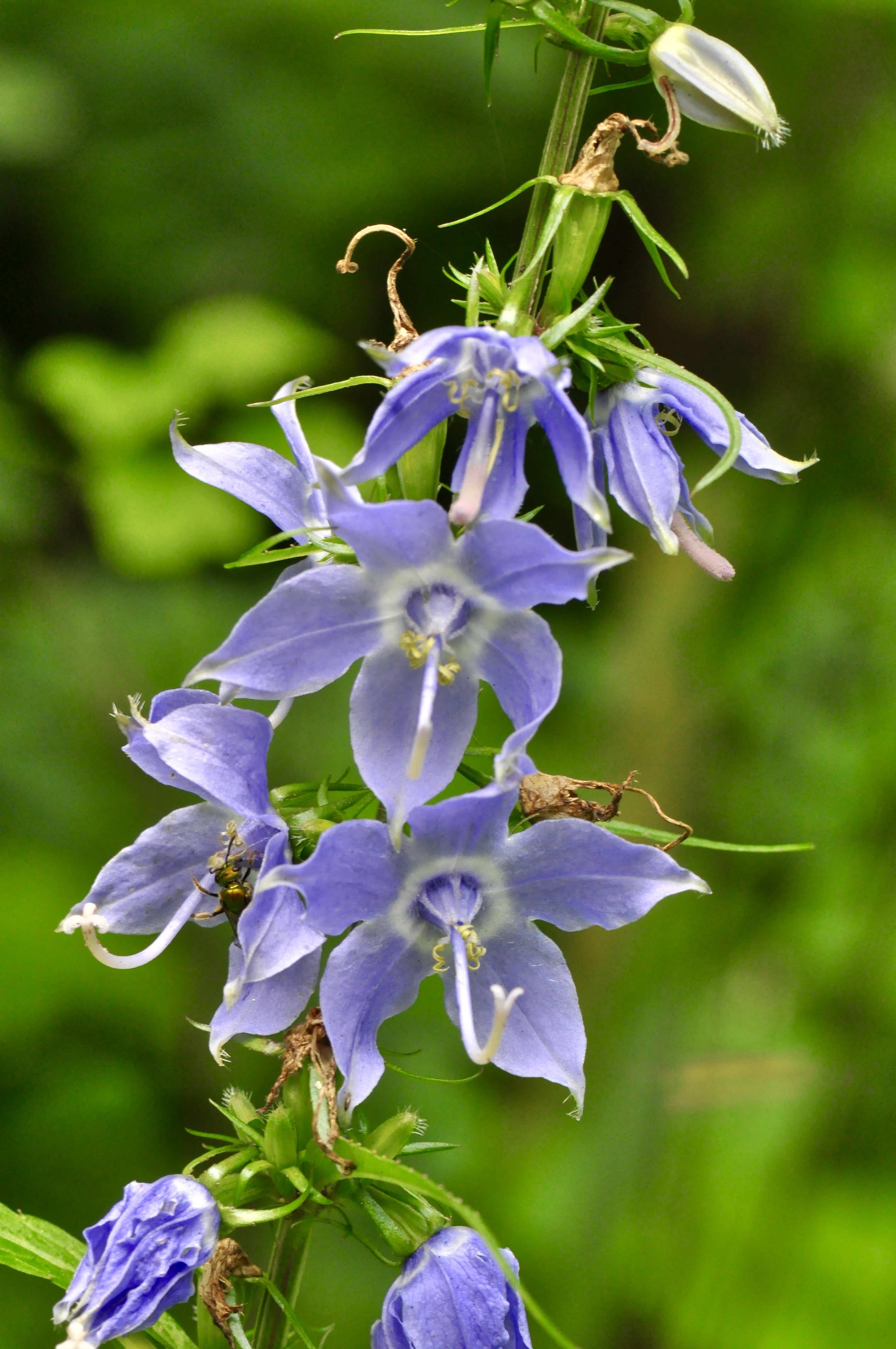
Bellflower
Blooms: July-September
Campanula americana
Found commonly in North Carolina.
Mileposts 370-375
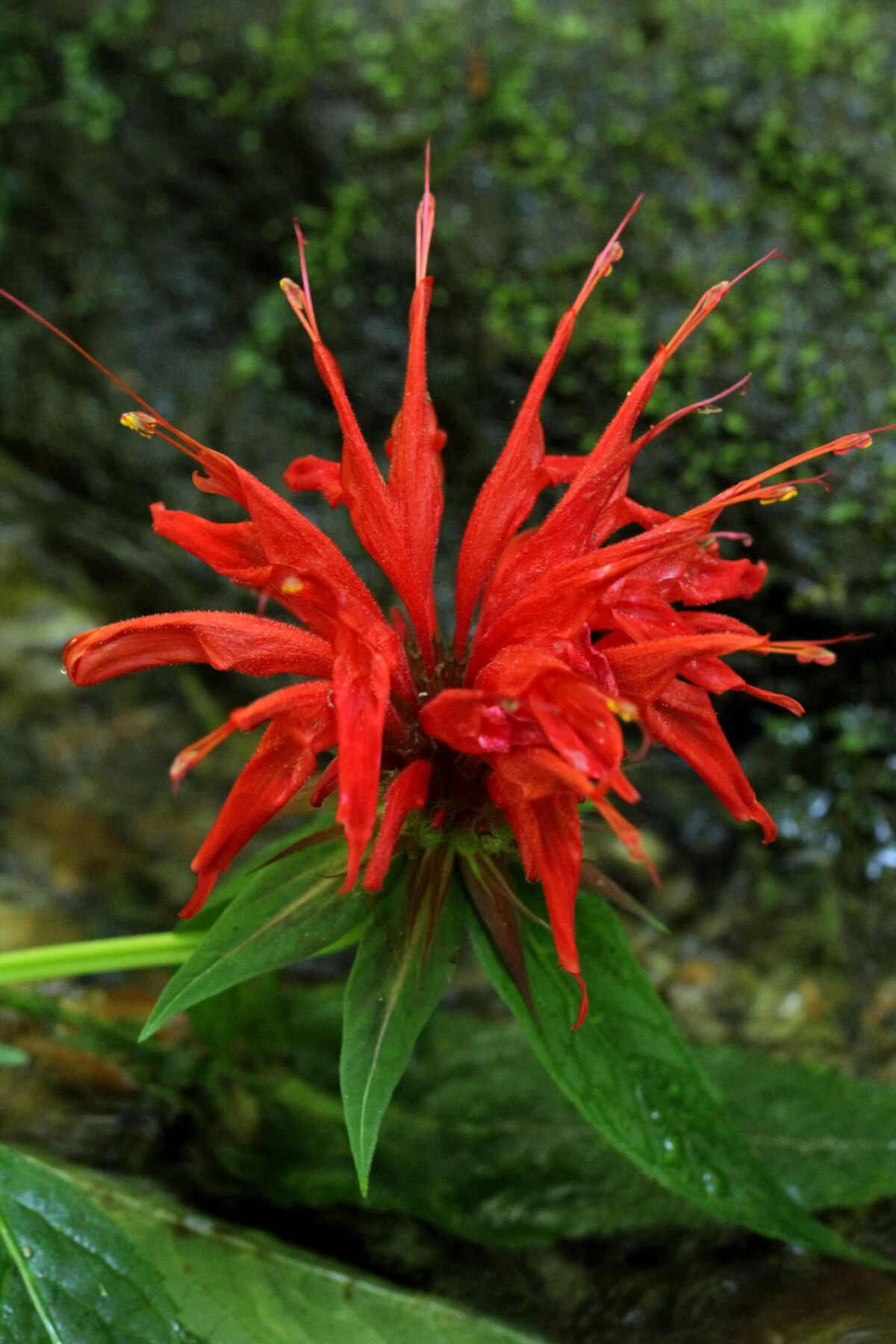
Bergamot Beebalm
Blooms: July-August
Monarda fistulosa
Found in Virginia and North Carolina.
Mileposts 38.8, 368-374
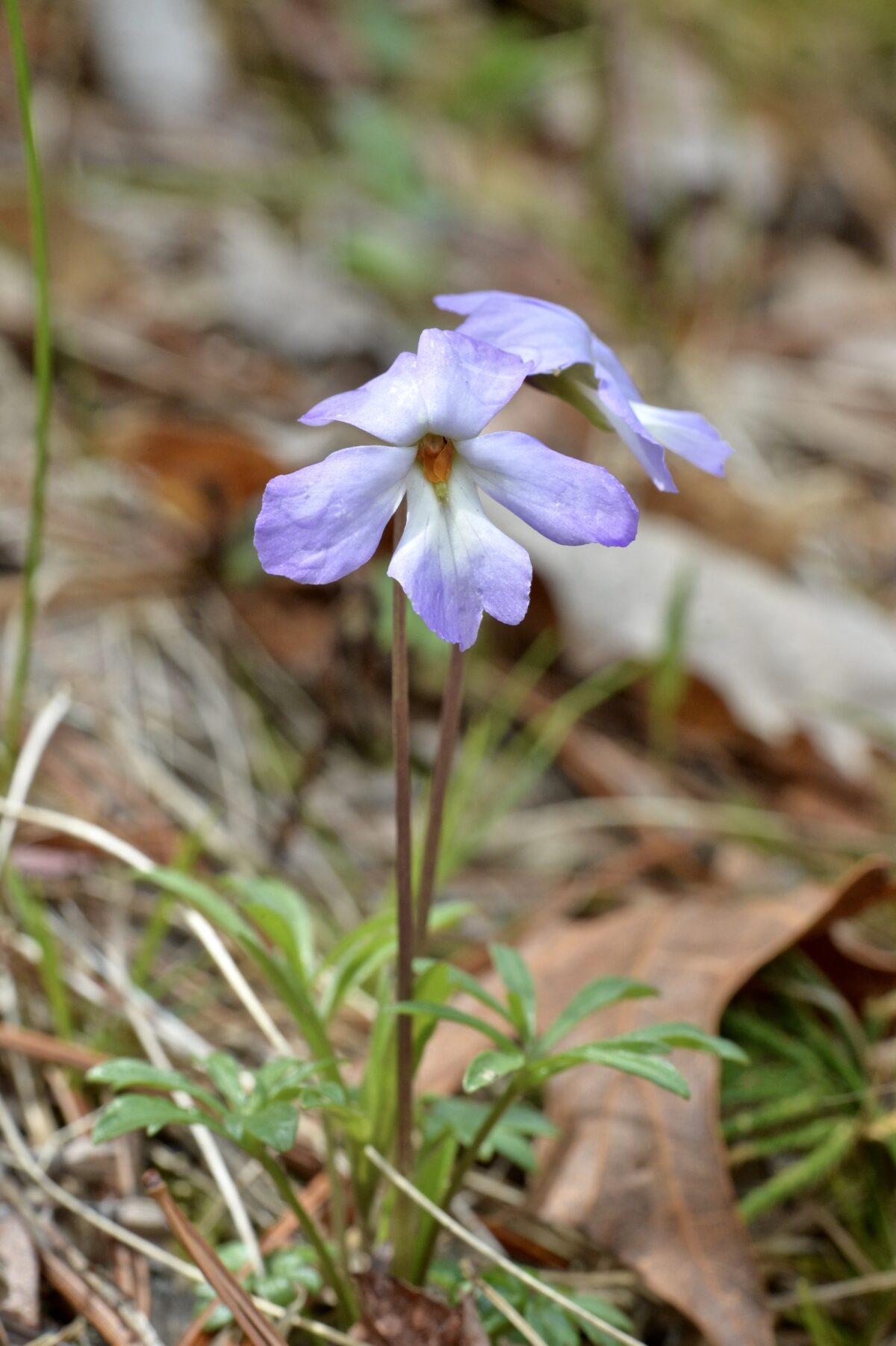
Birdfoot Violet
Blooms: March-May
Viola pedata
Grows in both Virginia and North Carolina.
Mileposts 147.4, 202, 260.5, 379
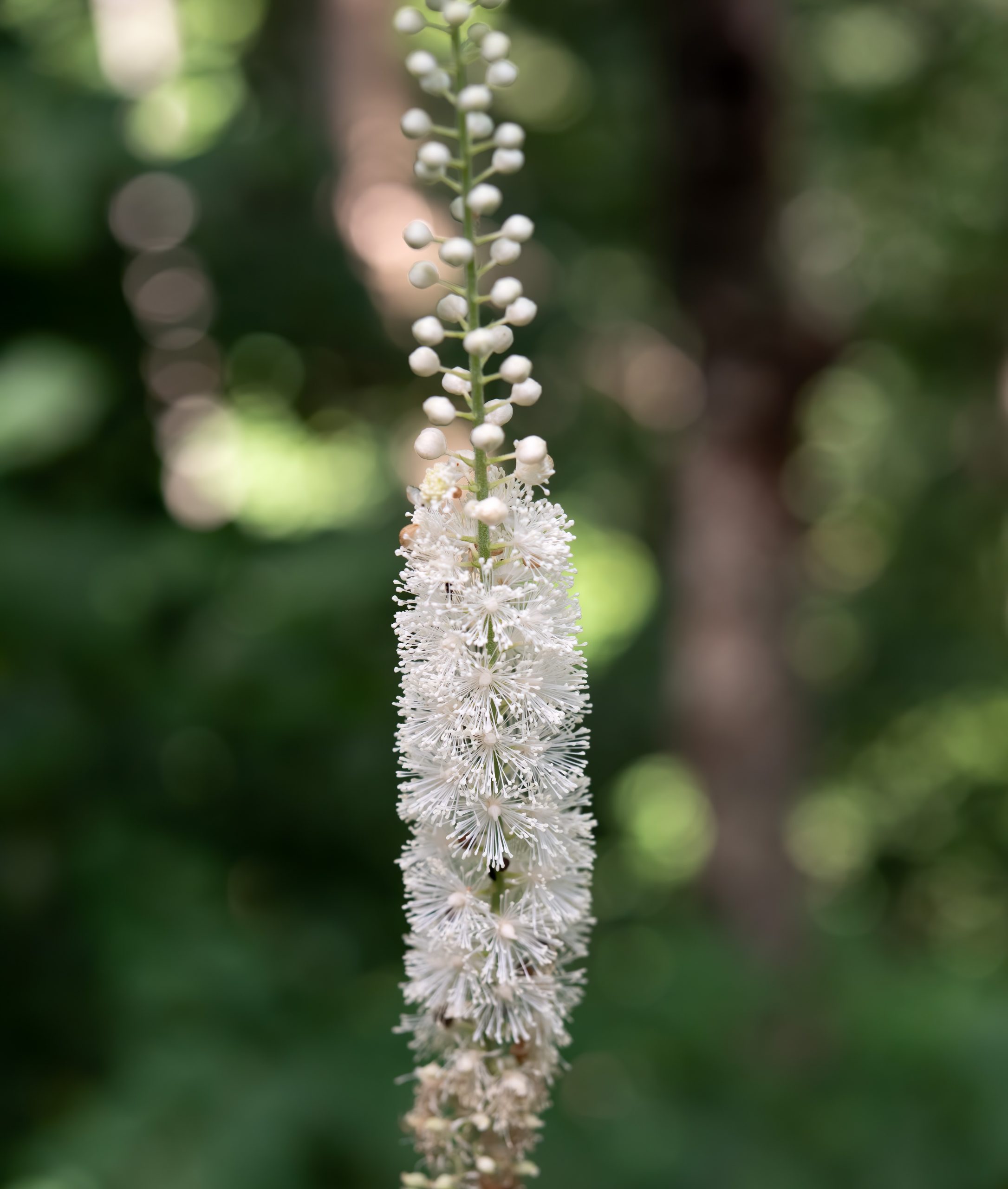
Black Cohosh
Blooms: July
Cimicifuga racemosa
Found in both Virginia and North Carolina.
Mileposts 6, 85.8, 169, 374
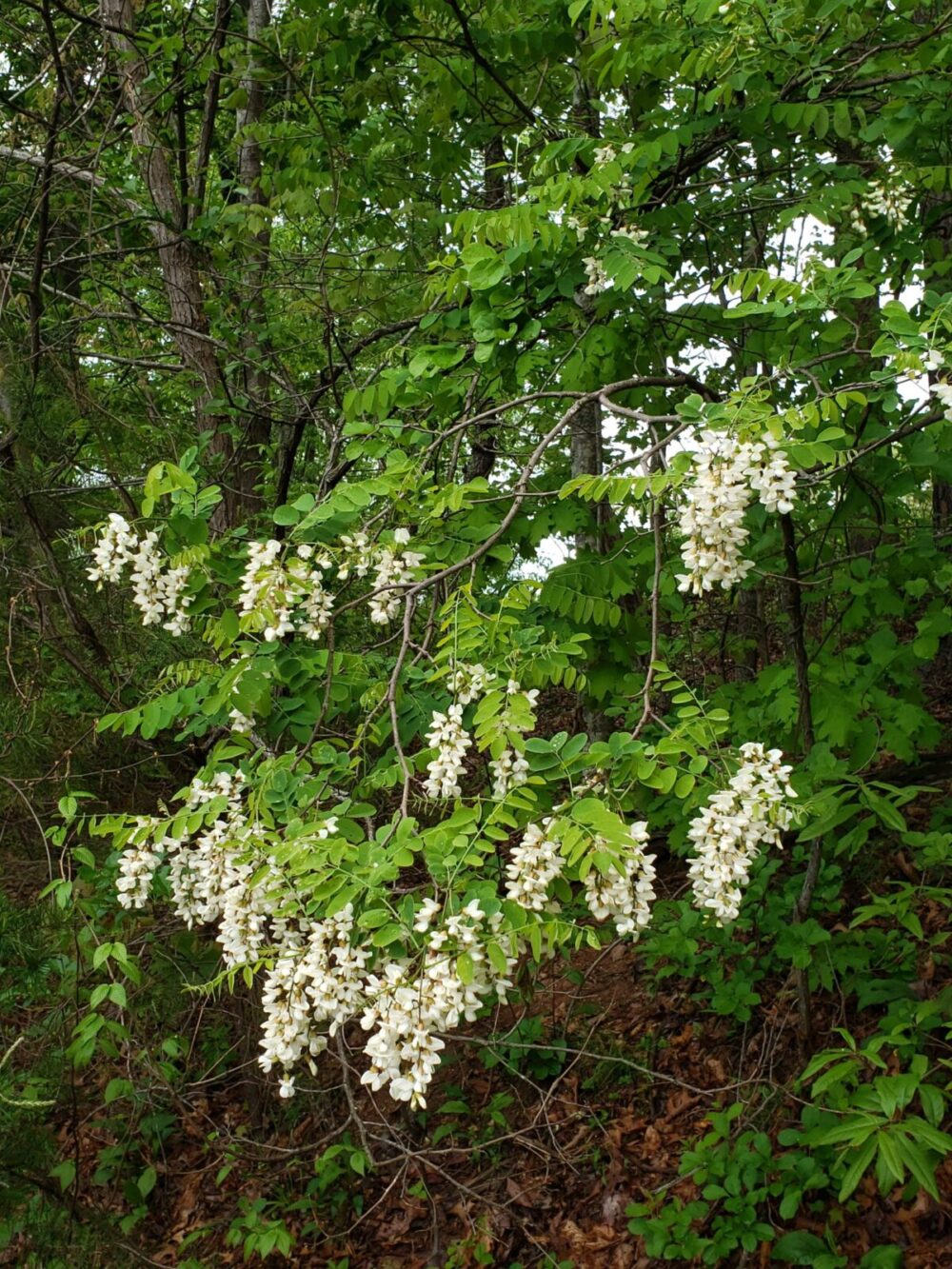
Black Locust
Blooms: April-June
Robinia pseudo-acacia
Common in both Virginia and North Carolina.
Mileposts 100-123, 367-368, 383
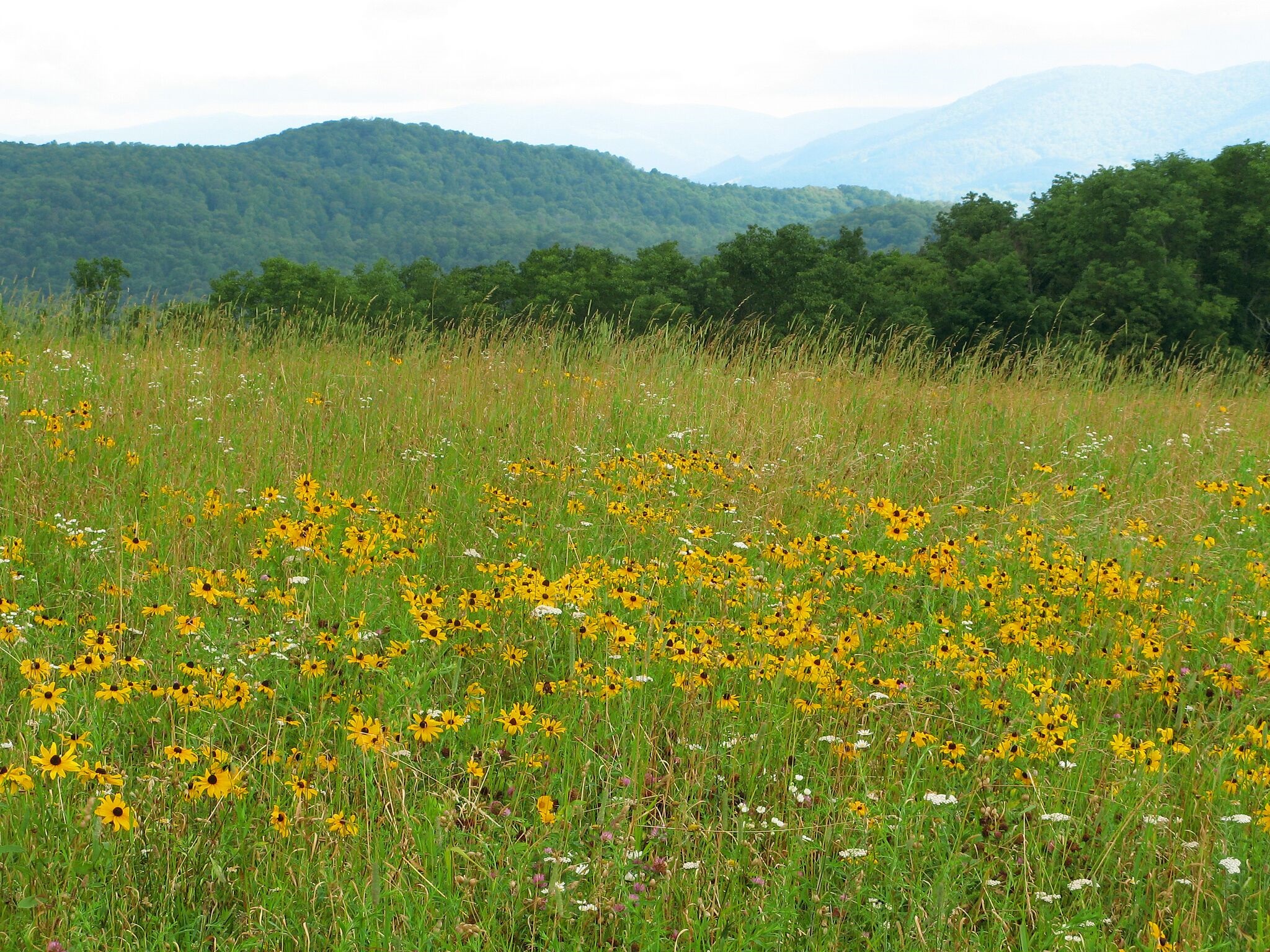
Black-Eyed Susan or Coneflower
Blooms: July
Rudbeckia hirta
Common in fields and along the roadside.
Bladder Campion
Blooms: May-August
Silene cucubalus
Found in North Carolina.
Mileposts 376-381
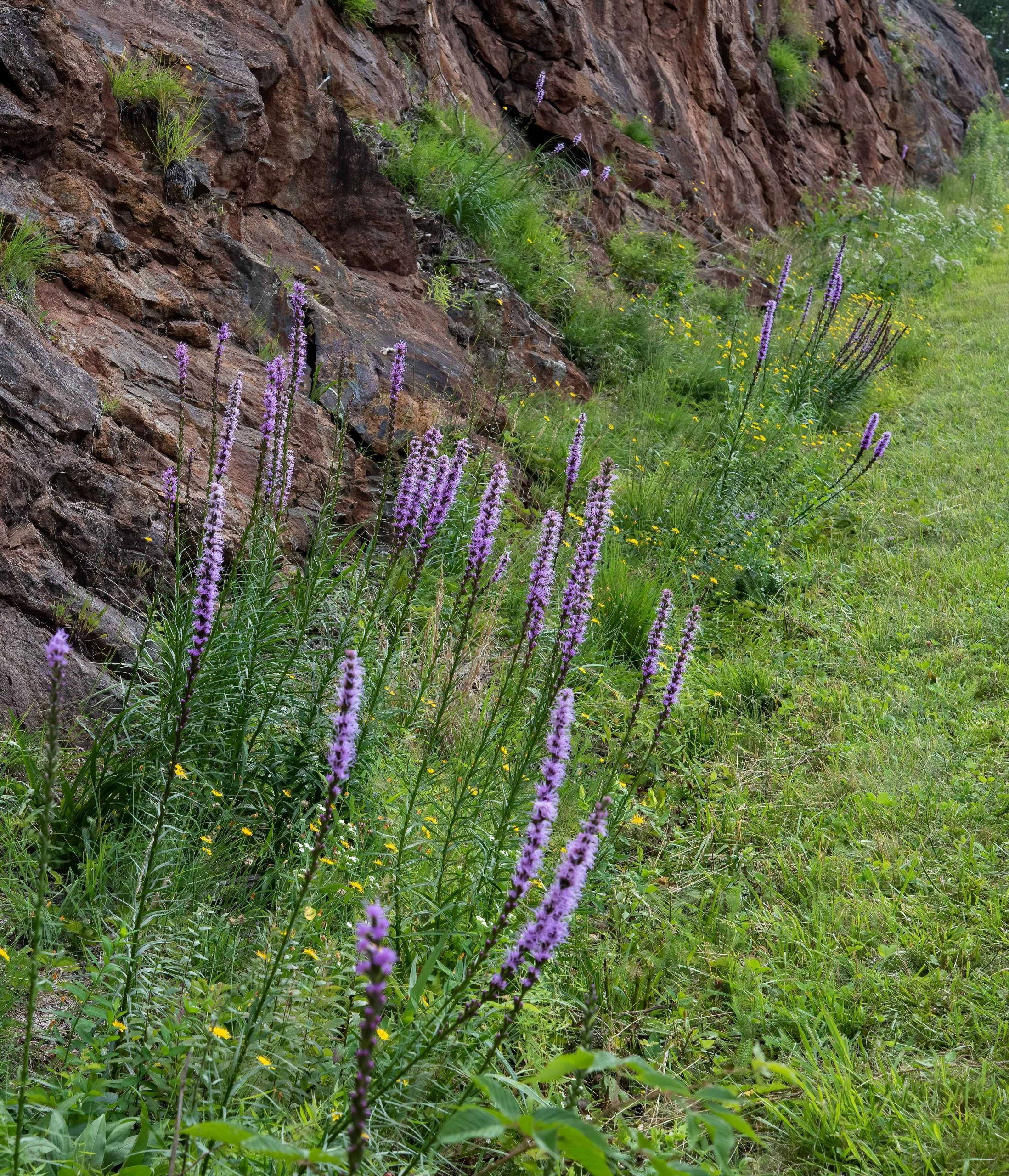
Blazing Star
Blooms: August-September
Liatris spicata
Found in North Carolina.
Mileposts 305.1, 369-370
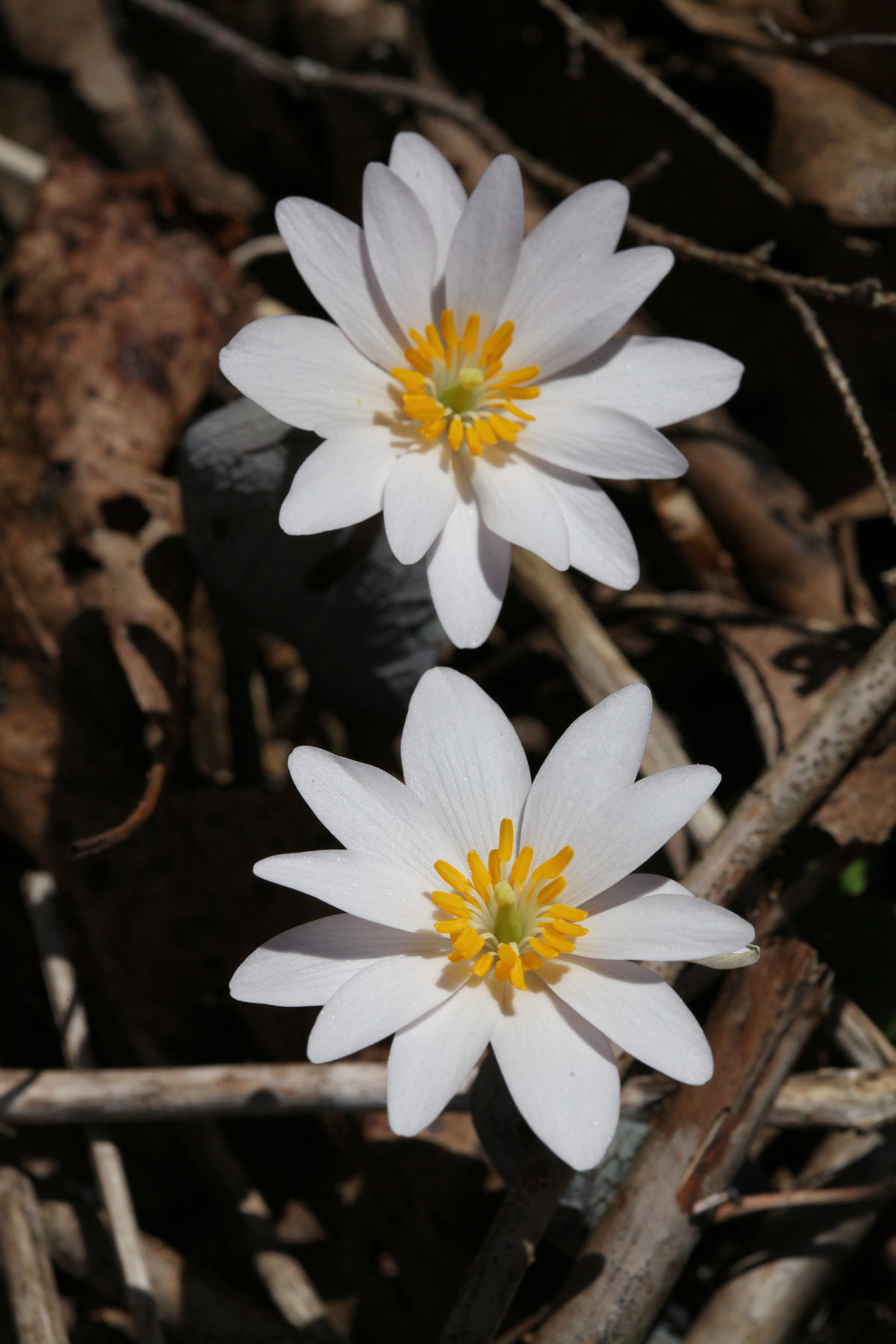
Bloodroot
Blooms: April-May
Sanguinara canadensis
Found in both Virginia and North Carolina.
Mileposts 85.6, 191-193, 198.7, 294
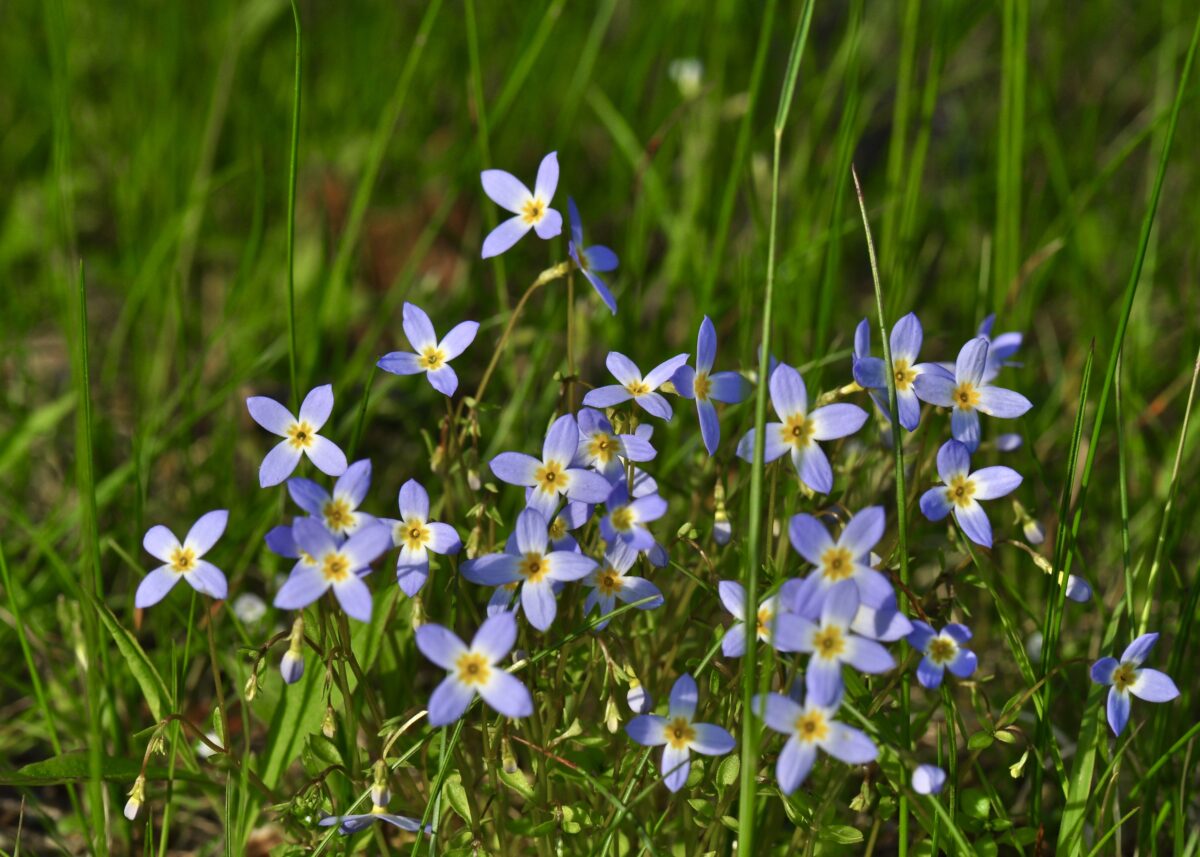
Bluets
Blooms: May-June
Houstonia spp.
Found in Virginia and North Carolina.
Mileposts 200.2, 355-368
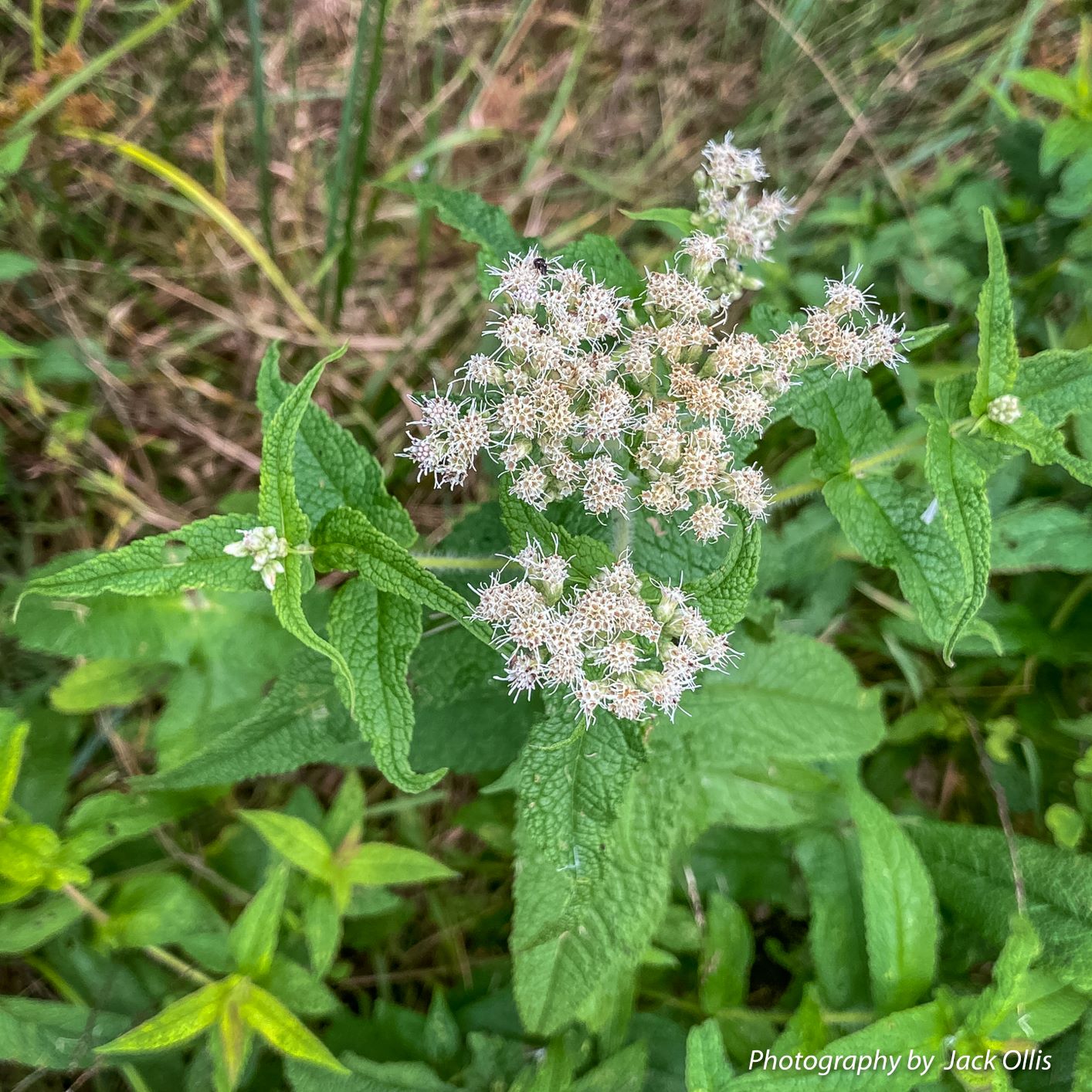
Boneset
Blooms: August
Eupatorium perfoliatum
Found in Virginia and North Carolina.
Mileposts 29.1, 85.8 PA, 151, 247, 314
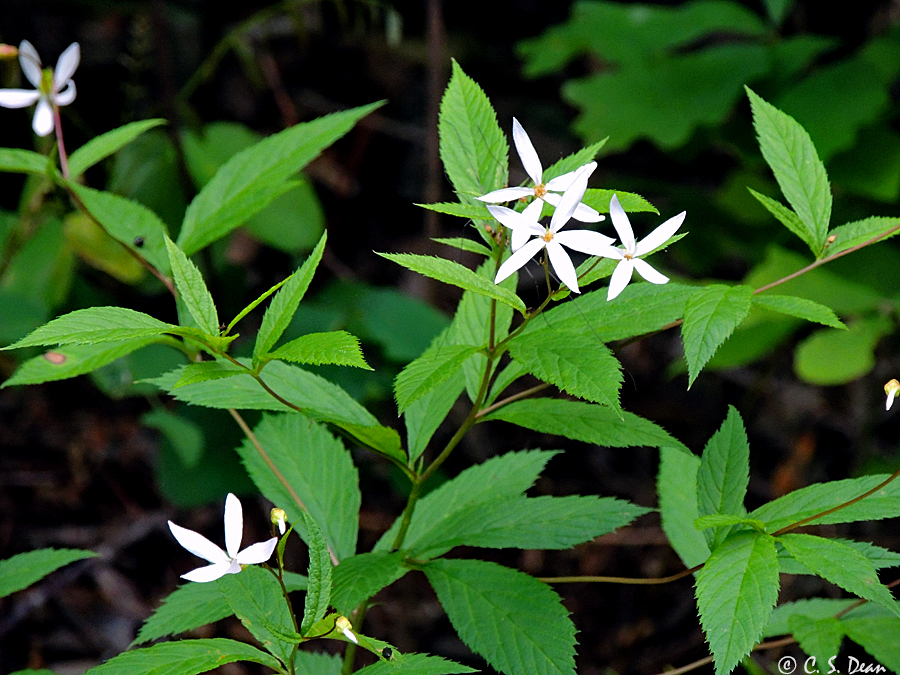
Bowman’s Root
Blooms: May-June
Gillenia trifoliata
Found in Virginia and North Carolina.
Mileposts 24-25, 149.5, 260, 332, 368-369
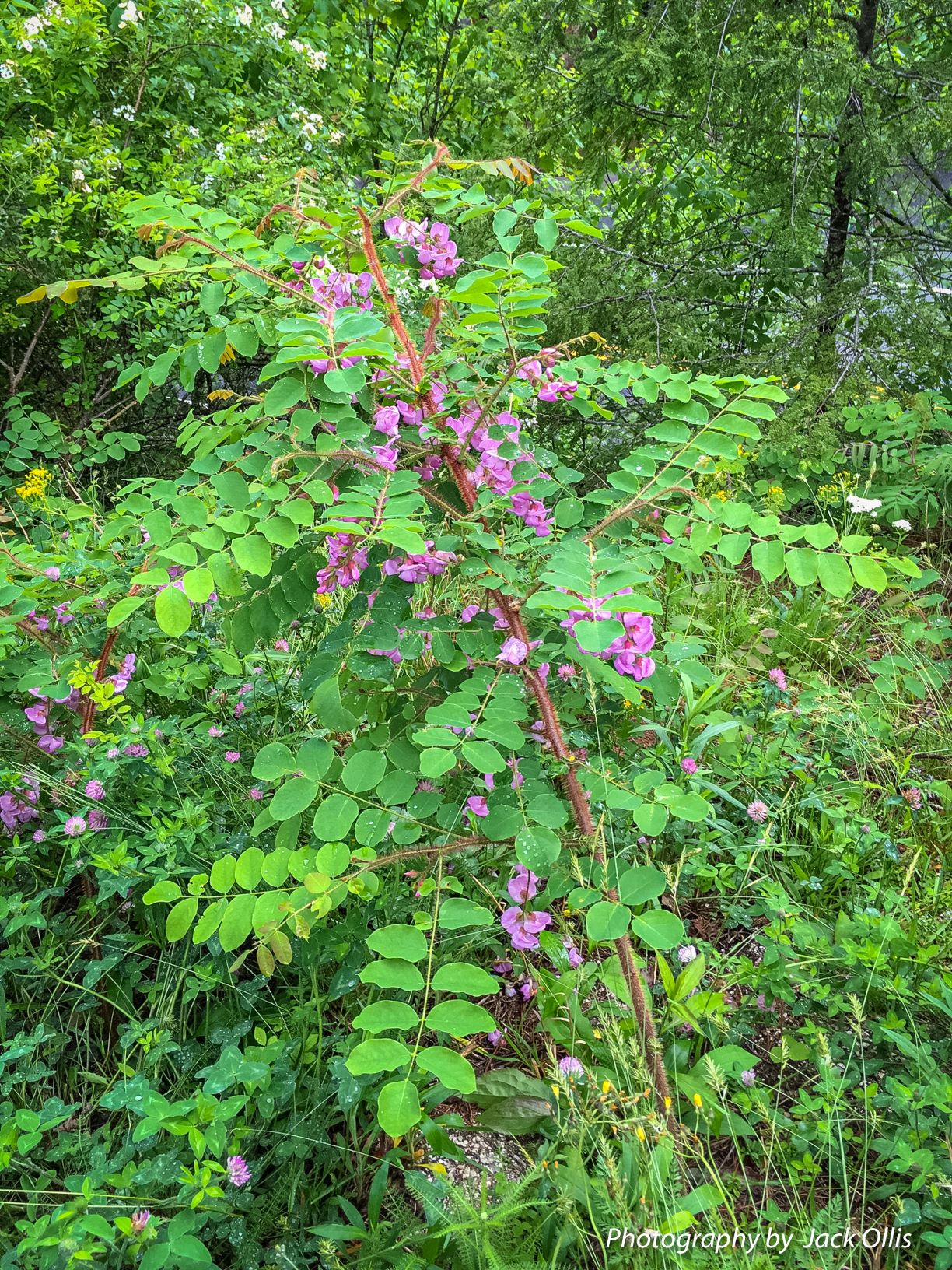
Bristly Locust
Blooms: May-June
Robinia hispida
Found in Virginia and North Carolina.
Mileposts 167-174, 308.3, 347.9
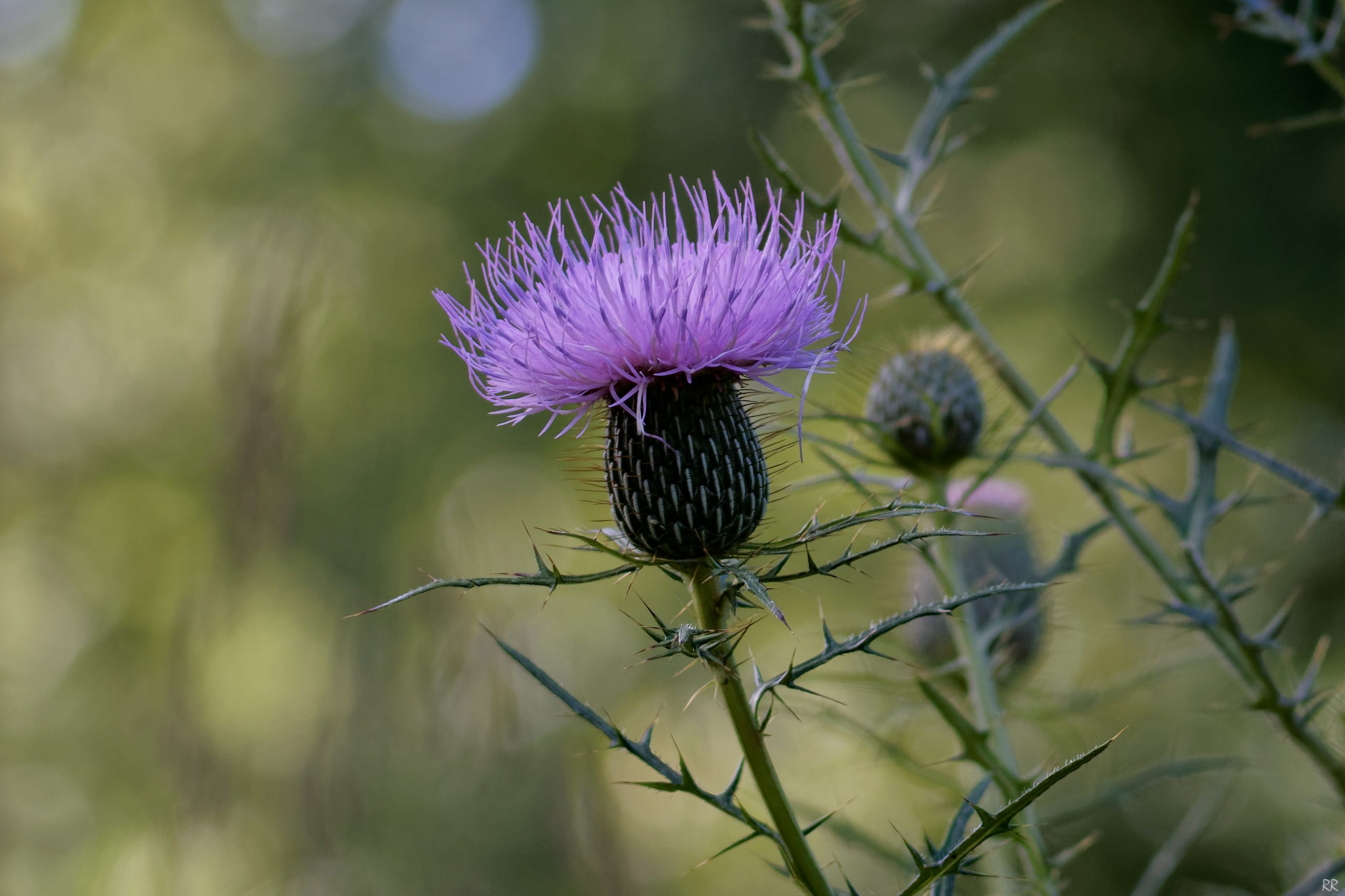
Bull Thistle
Blooms: Late June-Frost
Cirsium vulgare
Common along roadsides and pastures at lower elevations. Non-native, but naturalized. Is classified as invasive in some states because it invades pastures and other edges, crowding out native plants.
Butter and Eggs
Blooms: June-August
Linaria vulgaris
Common along roadside.
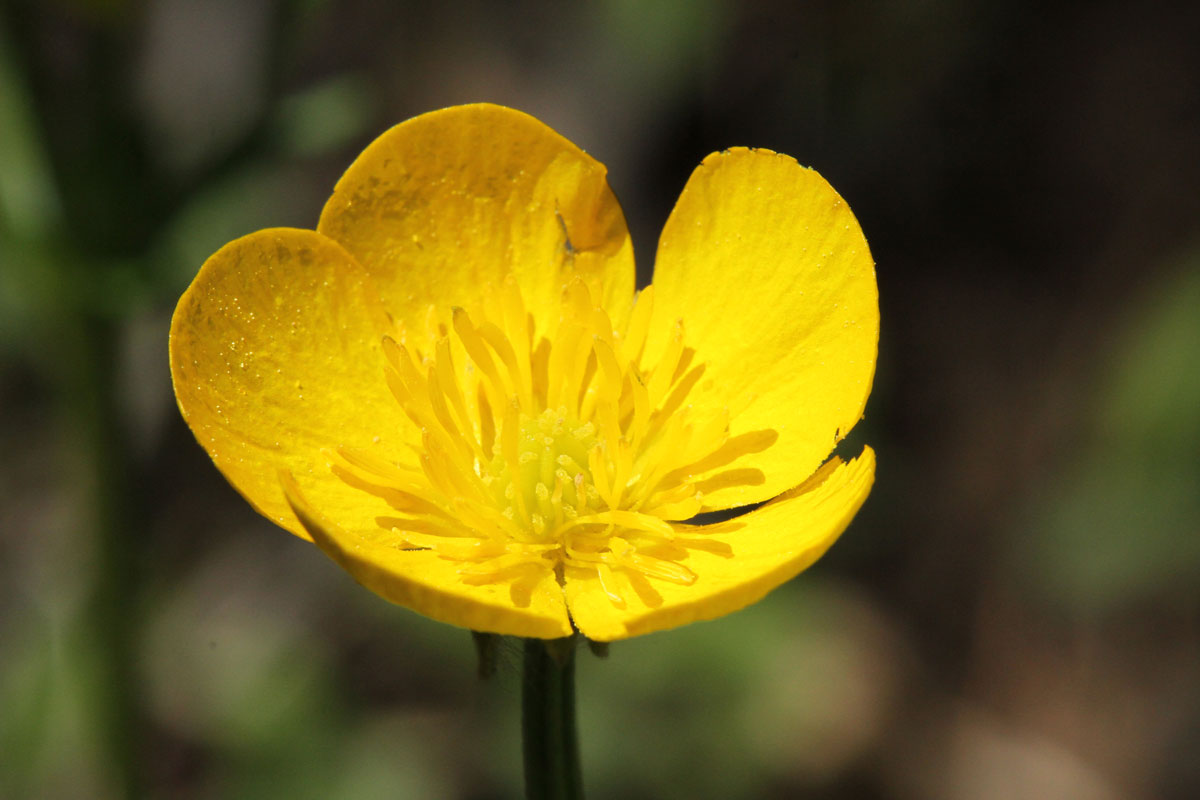
Buttercups
Blooms: March-June
Rannunculus hispidus
Common along roadside.
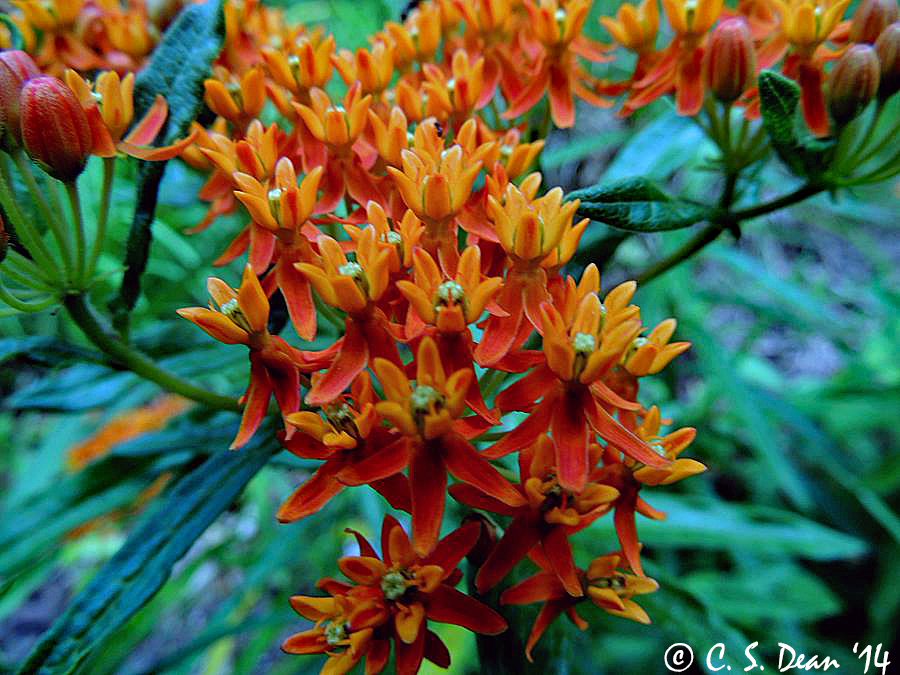
Butterfly Weed
Blooms: June-August
Asclepias tuberosa
Found in both Virginia and North Carolina.
Mileposts 63-65, 238-246
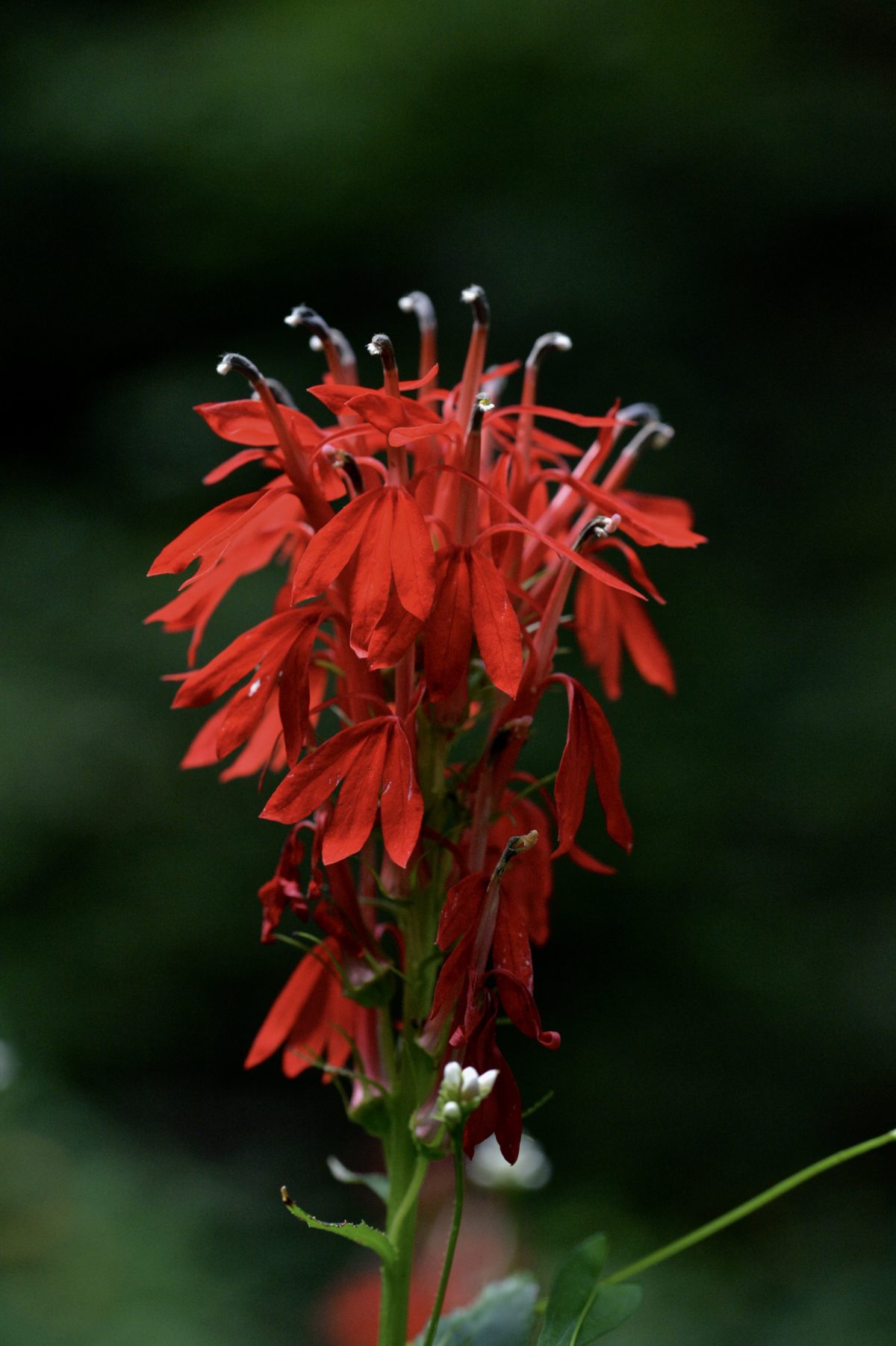
Cardinal Flower
Blooms: August
Lobelia cardinalis
Seen infrequently in wet places.
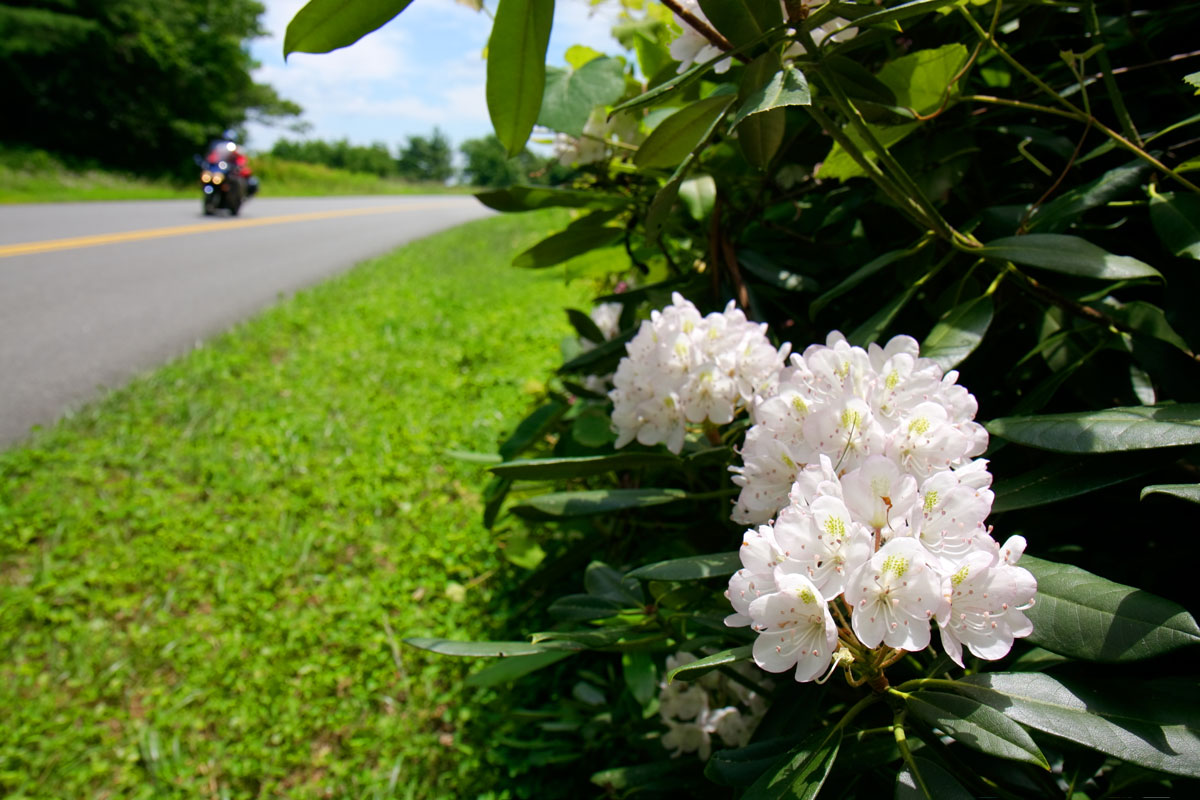
Carolina Rhododendron
Blooms: Late April-June
Rhododendron minus
Found in North Carolina.
Mileposts 308-310, 404-411

Catawba Rhododendron
Blooms: June
Rhododendron catawbiense
Found in both Virginia and North Carolina.
Mileposts 44.9, 77-83, 130.5, 138.6, 239, 247, 266.8, 348-350, 364.1
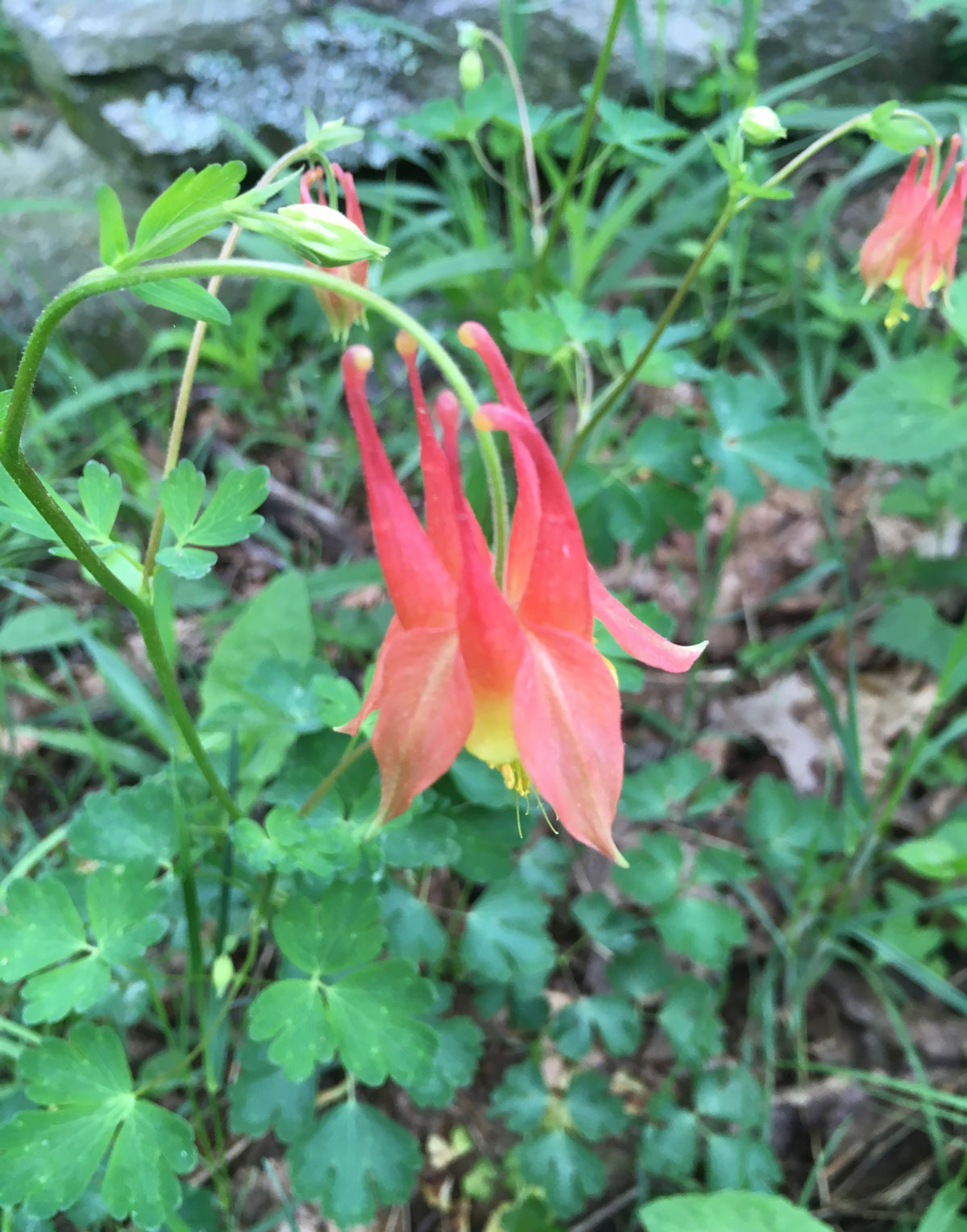
Columbine
Blooms: May-July
Aquilegia canadensis
Found in Virginia and North Carolina.
Mileposts 74-75, 339.3, 370-378
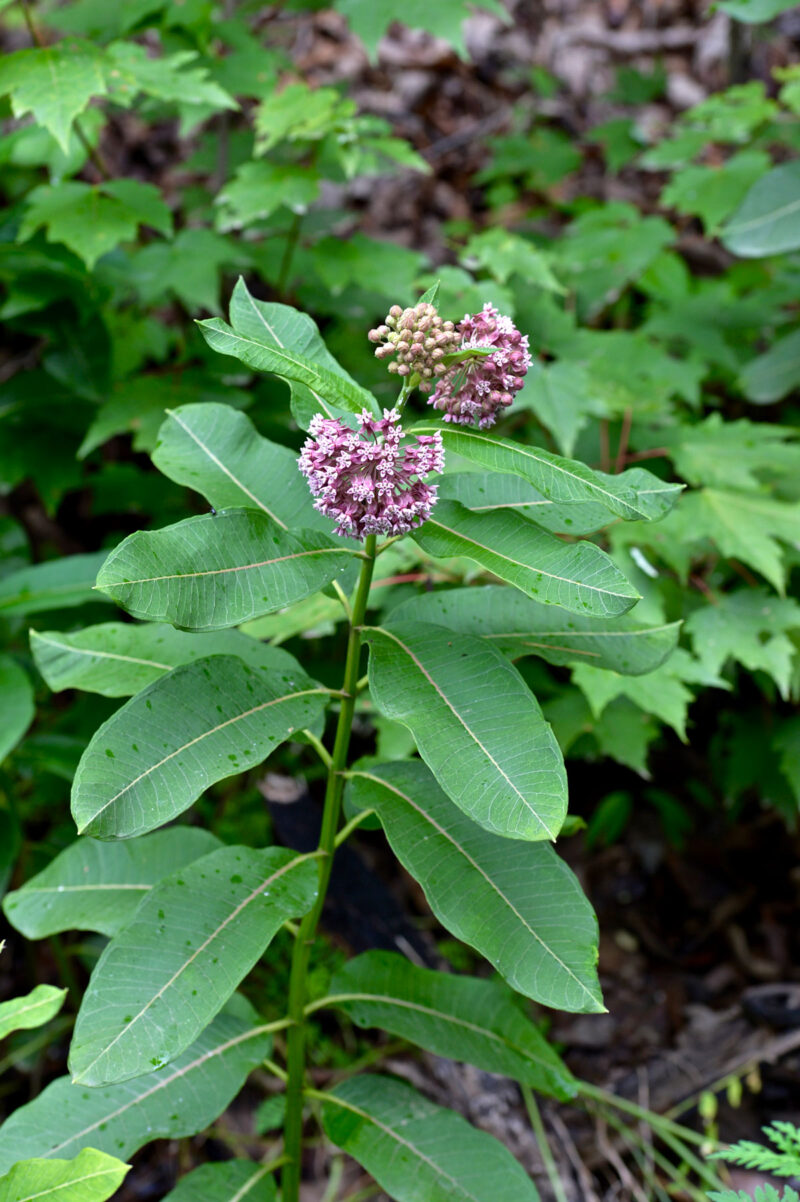
Common Milkweed
Blooms: July-August
Asclepias syriaca
Common in Virginia, also found in North Carolina.
Mileposts 85-86, 167-176
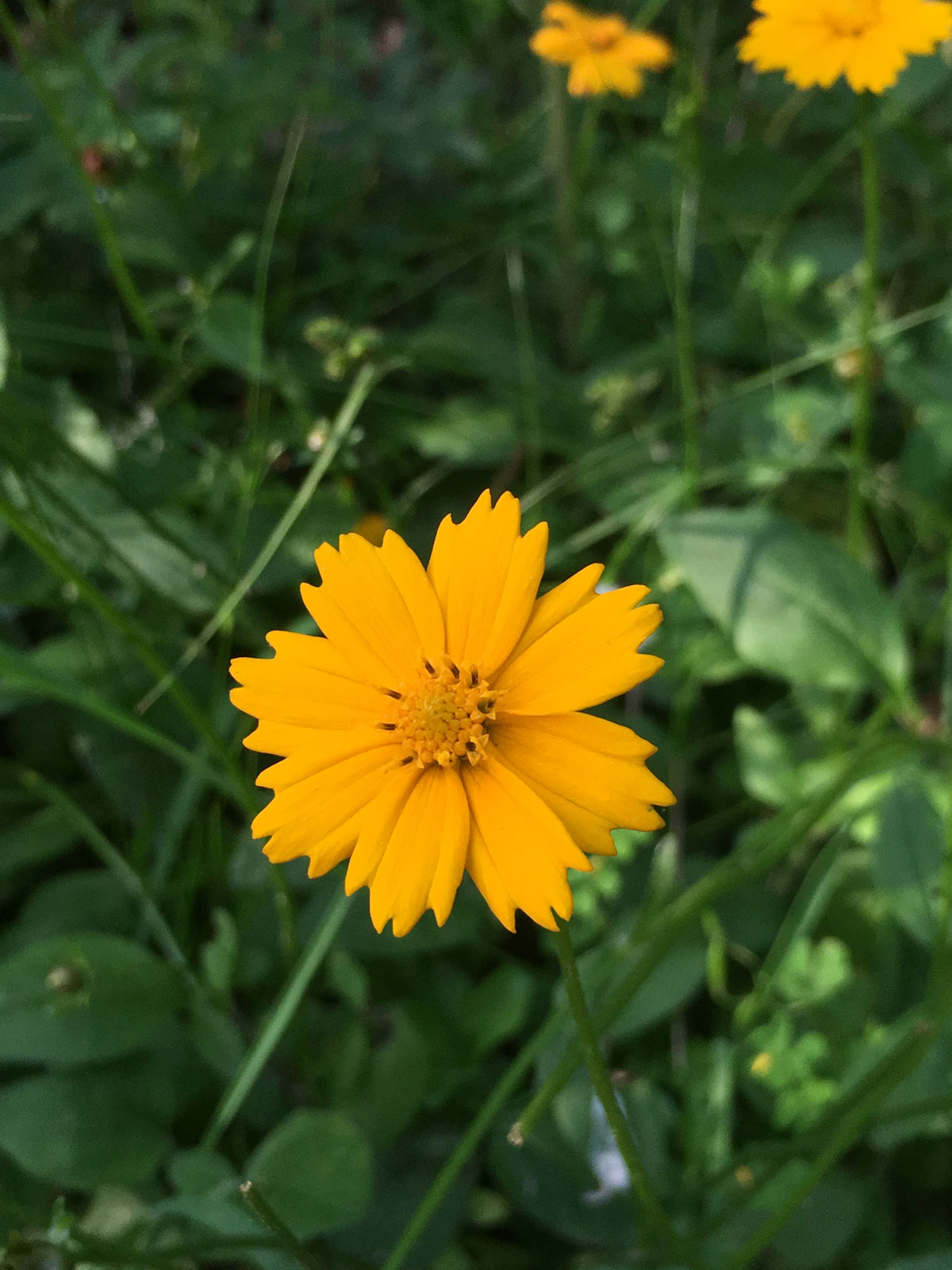
Coreopsis
Blooms: June-August
Coreopsis pubescens
Found in Virginia and North Carolina.
Mileposts 29.6, 77, 157, 190, 306

Dandelion
Blooms: February-June
Taraxacum officinale
Common along roadside.

Deptford Pink
Blooms: June-August
Dianthus aemeria
Common along grassy roadsides.
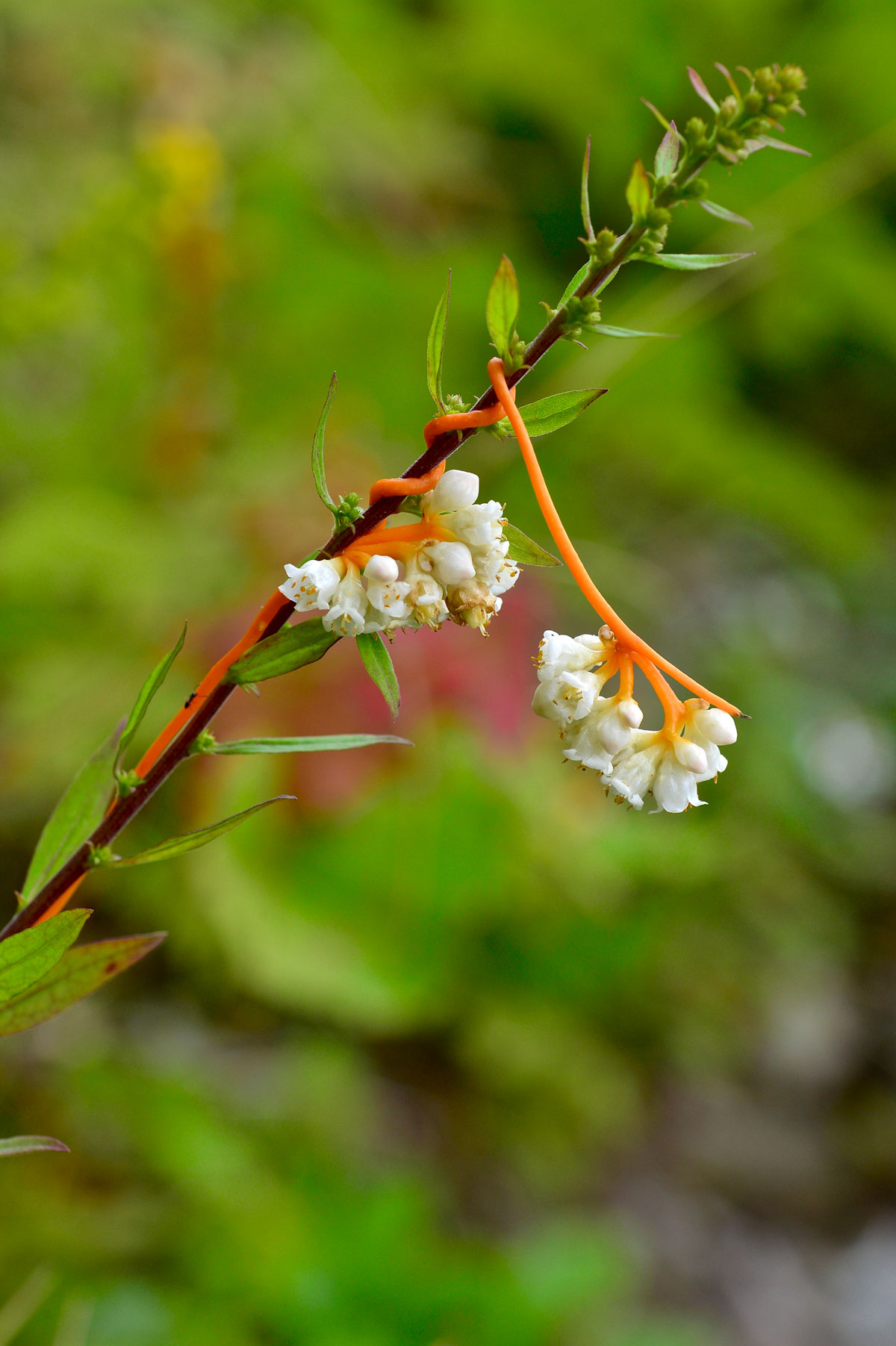
Dodder or Love Vine
Blooms: August-September
Cuscuta rostrata
Common along roadsides.
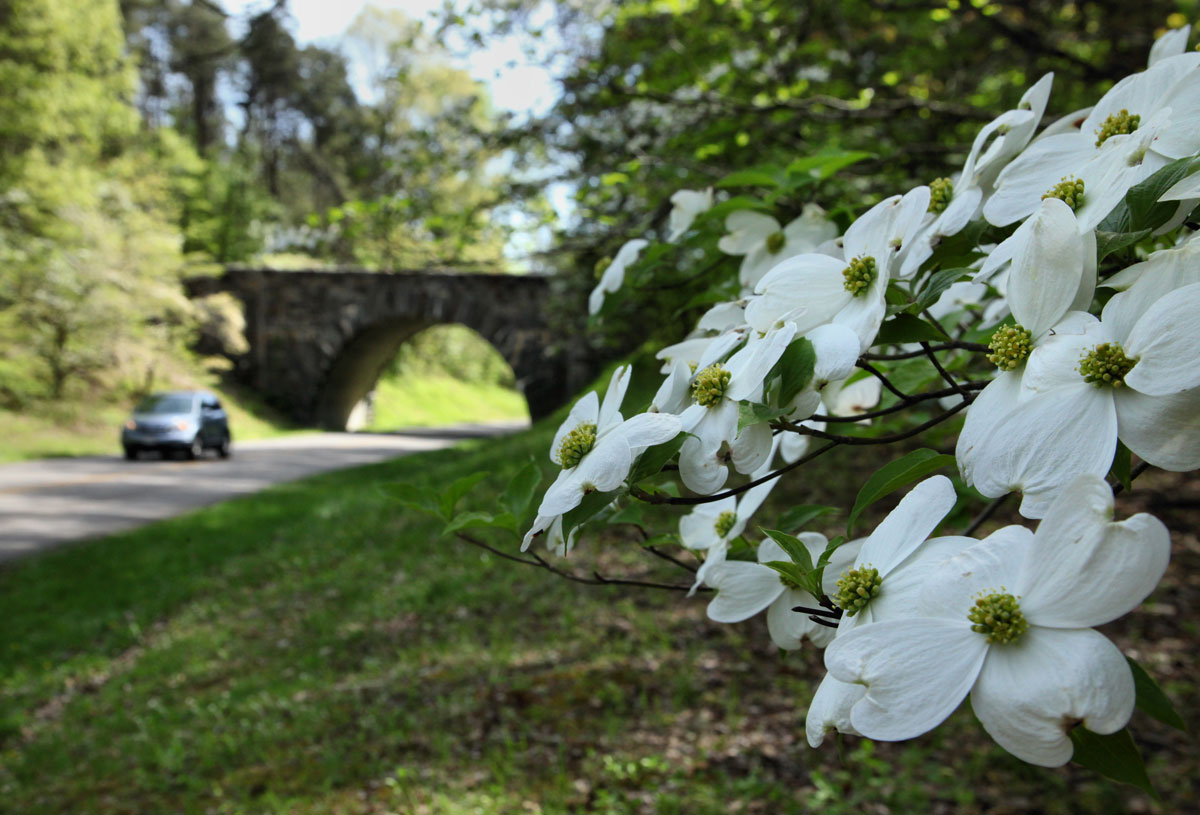
Dogwood
Blooms: May
Cornus florida
Found commonly in Virginia and North Carolina.
Mileposts 6, 85.6, 154.5, 230-232, 217-219, 378-282
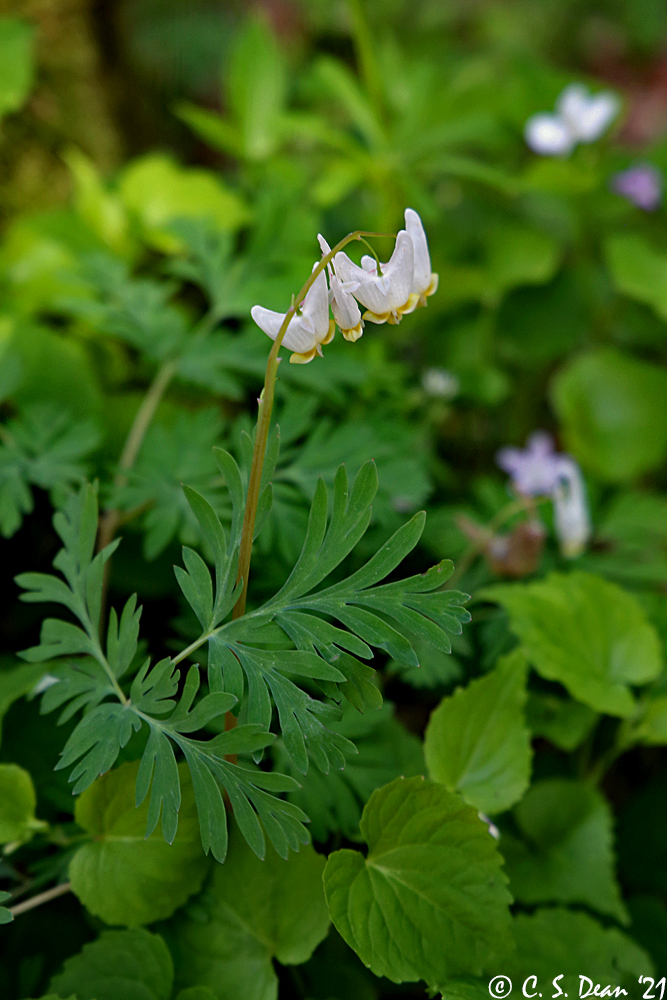
Dutchman’s Breeches
Blooms: April-June
Dicentra cucullaria
Mileposts 367.6, 458.2
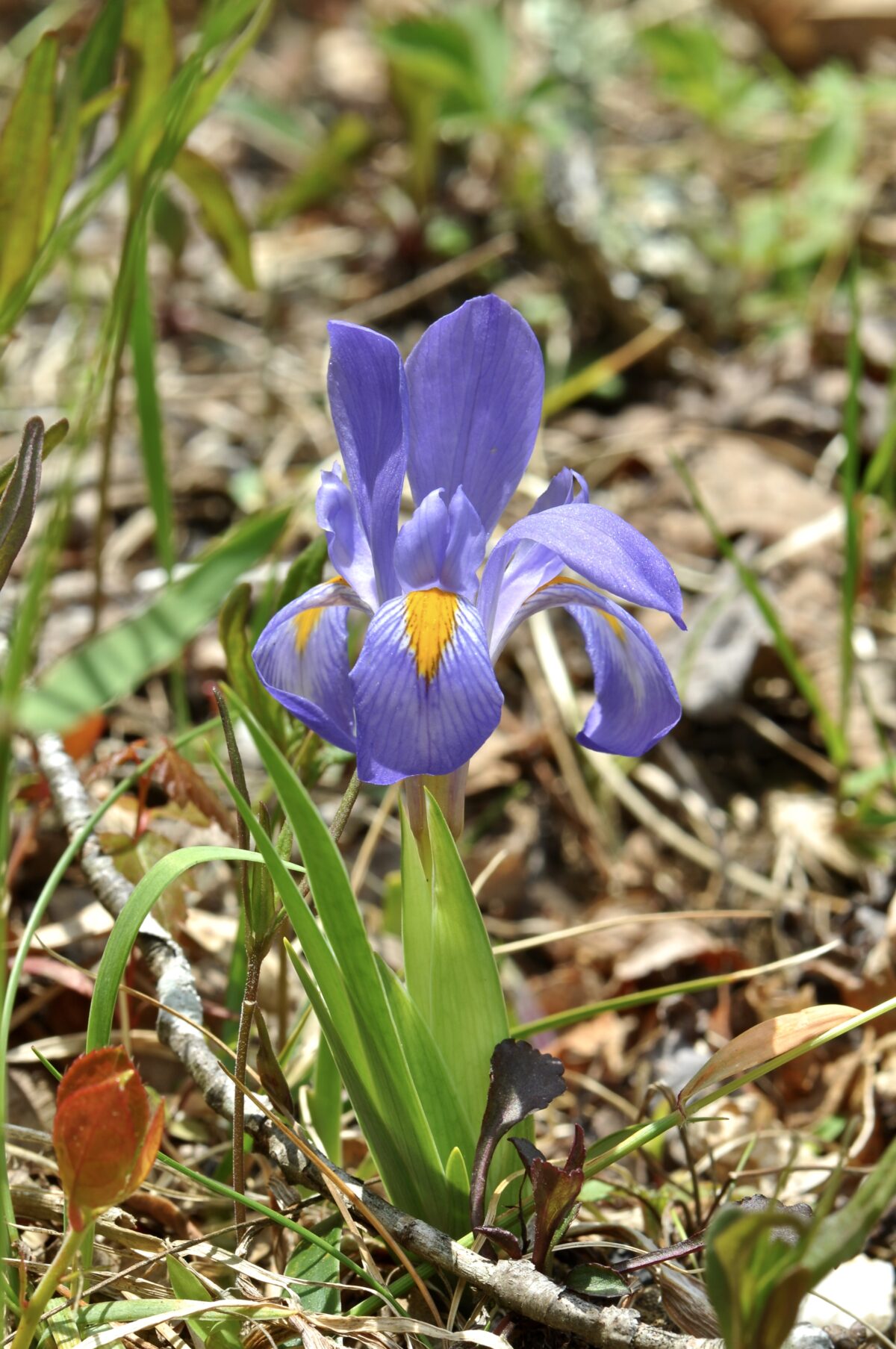
Dwarf Iris
Blooms: March-April
Iris Verna
Milepost 260.5
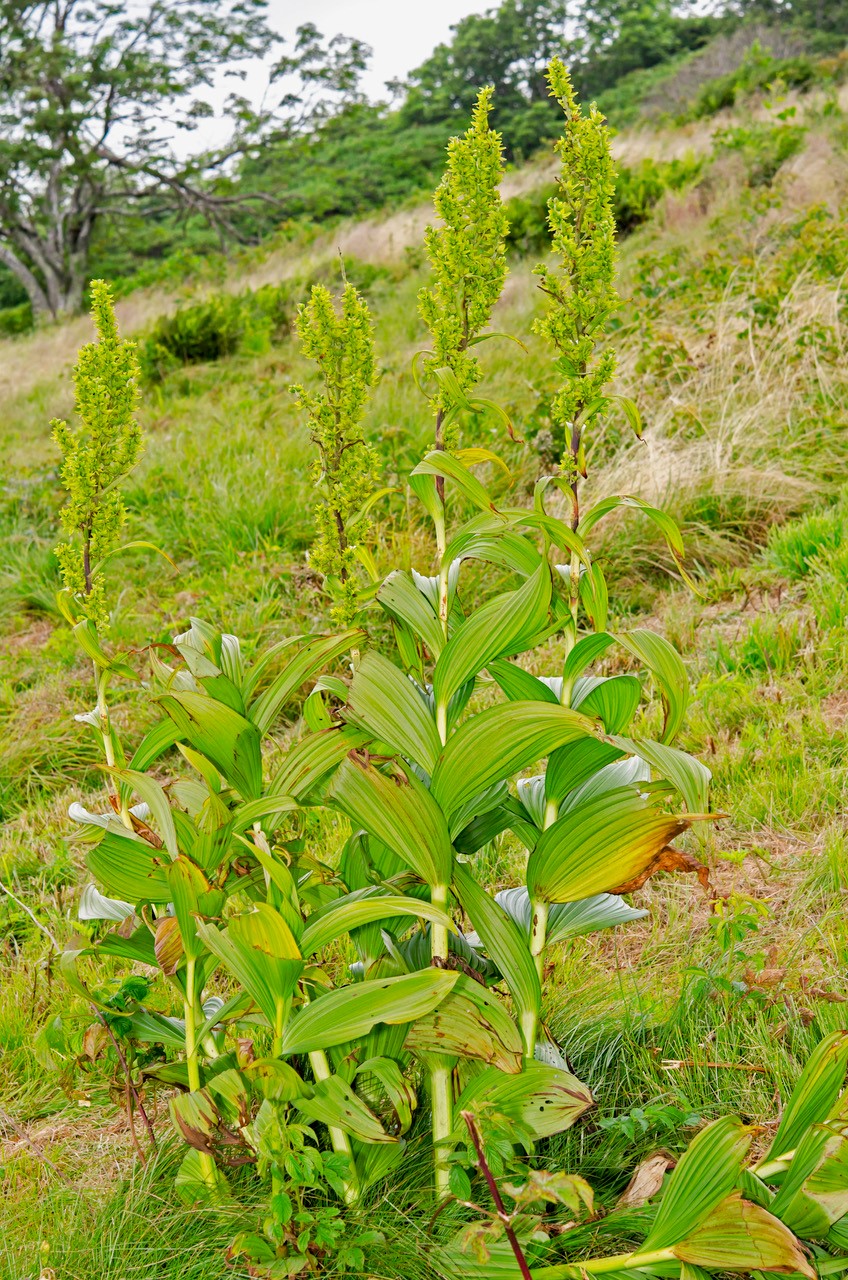
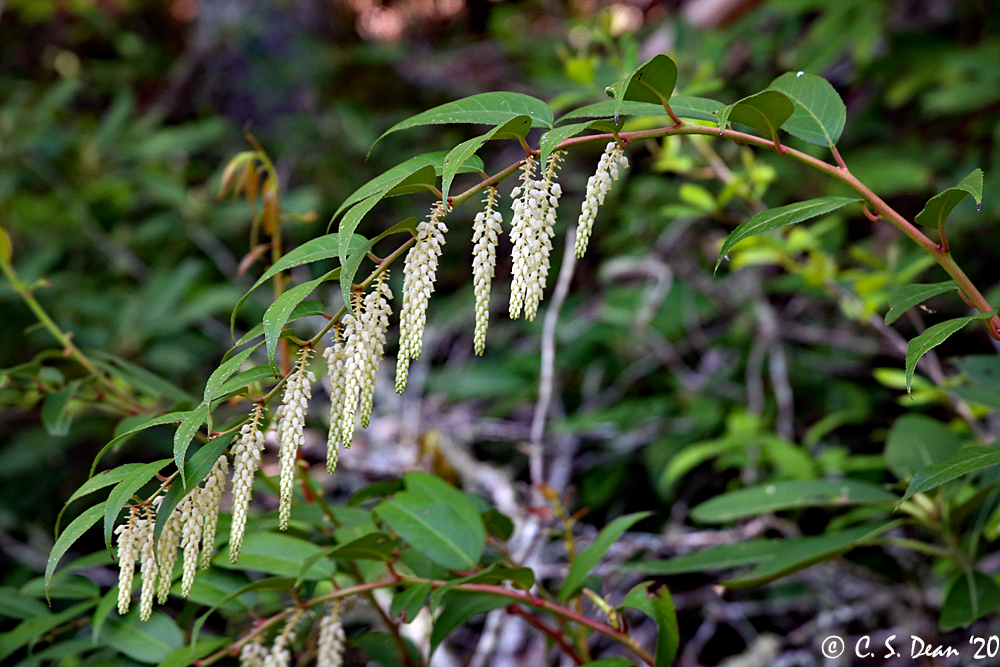
Fetterbush or Dog Hobble
Blooms: Late April-May
Leucothoe racemosa
Also known as swamp doghobble.
Mileposts 241.1, 379

Field Hawkweed
Blooms: May-June
Hieracium pratense
Mileposts 6, 78.4, 165.5, 229.5, 325-330
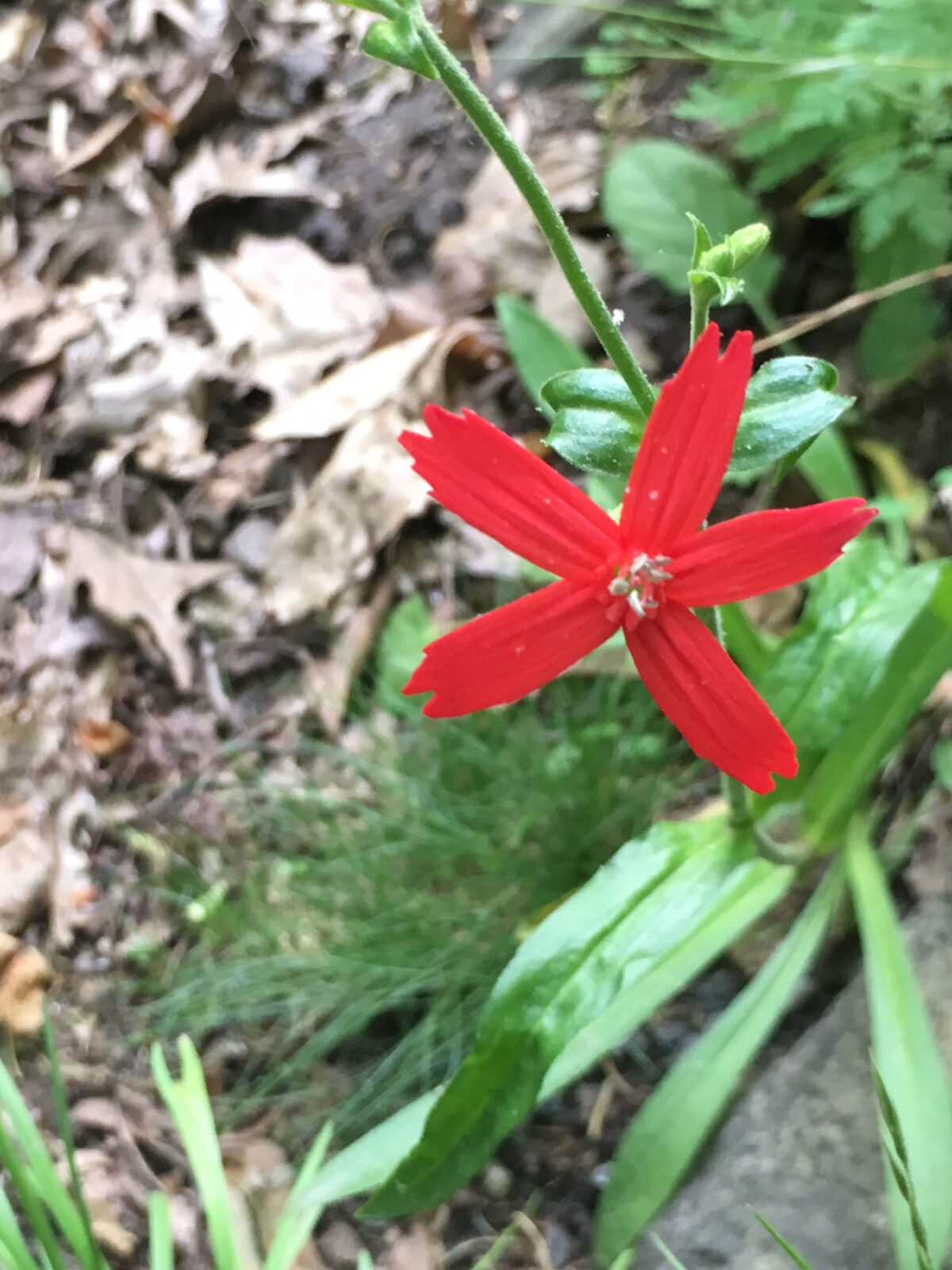
Fire Pink
Blooms: May-June
Silene virginica
Mileposts 1-2, 85.8, 154.5, 241, 339.3, 367-375, 404-408
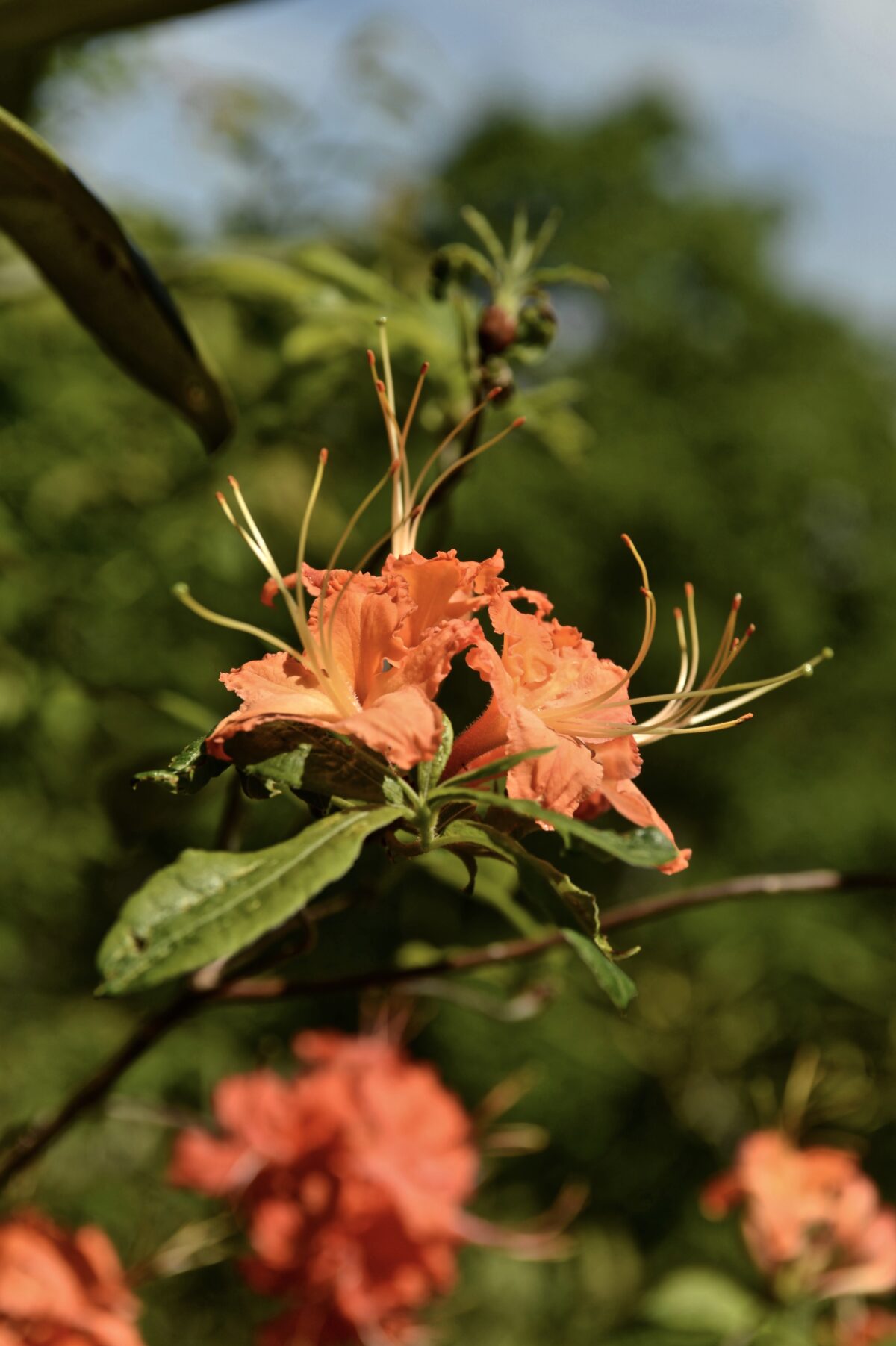
Flame Azalea
Blooms: May-June
Rhododendron calendulaceum
Mileposts 138.6, 144-145, 149.5, 164-166, 217-221, 308-310, 368-380, 412-423
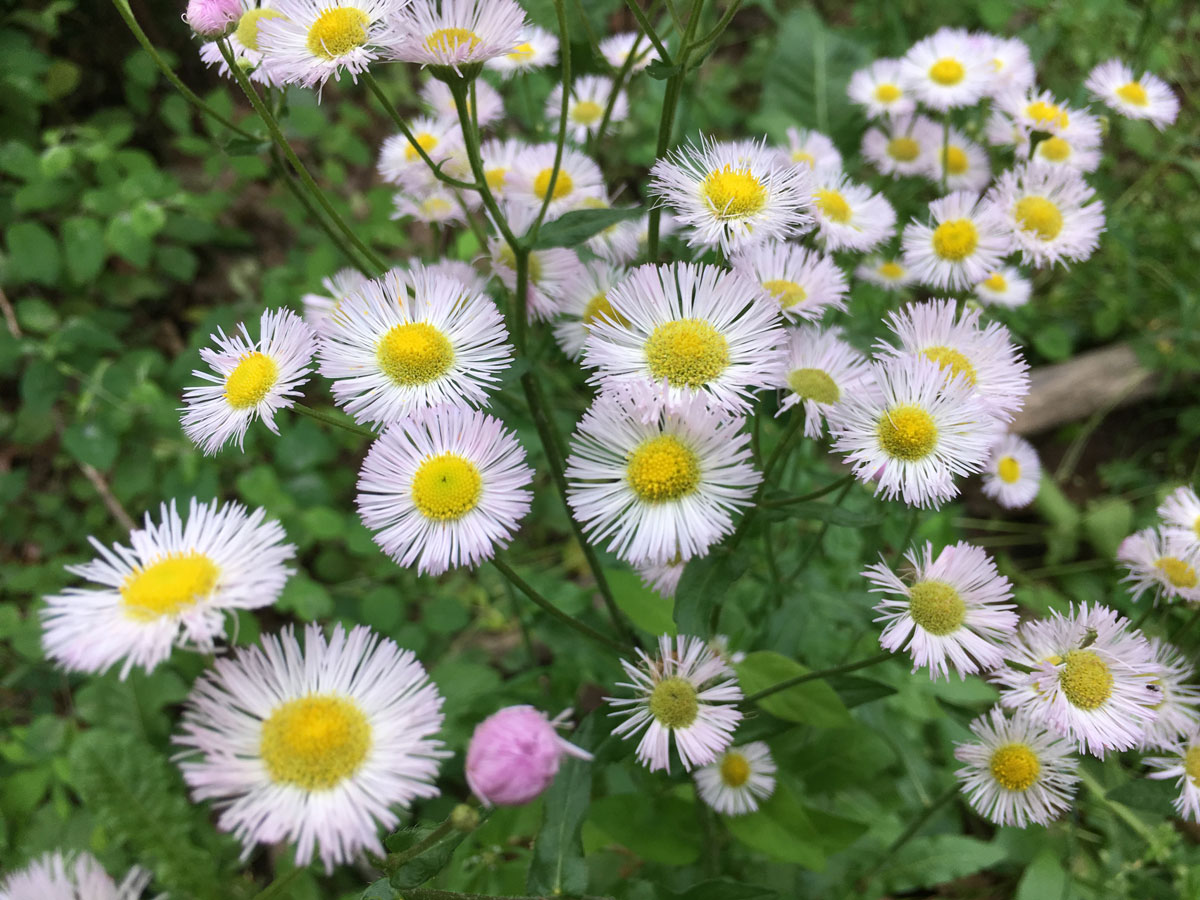
Fleabane
Blooms: July
Erigeron strigosus
Found commonly in fields and along roadside.
Mileposts 138.6, 144-145, 149.5, 164-166, 217-221, 308-310, 368-380, 412-423
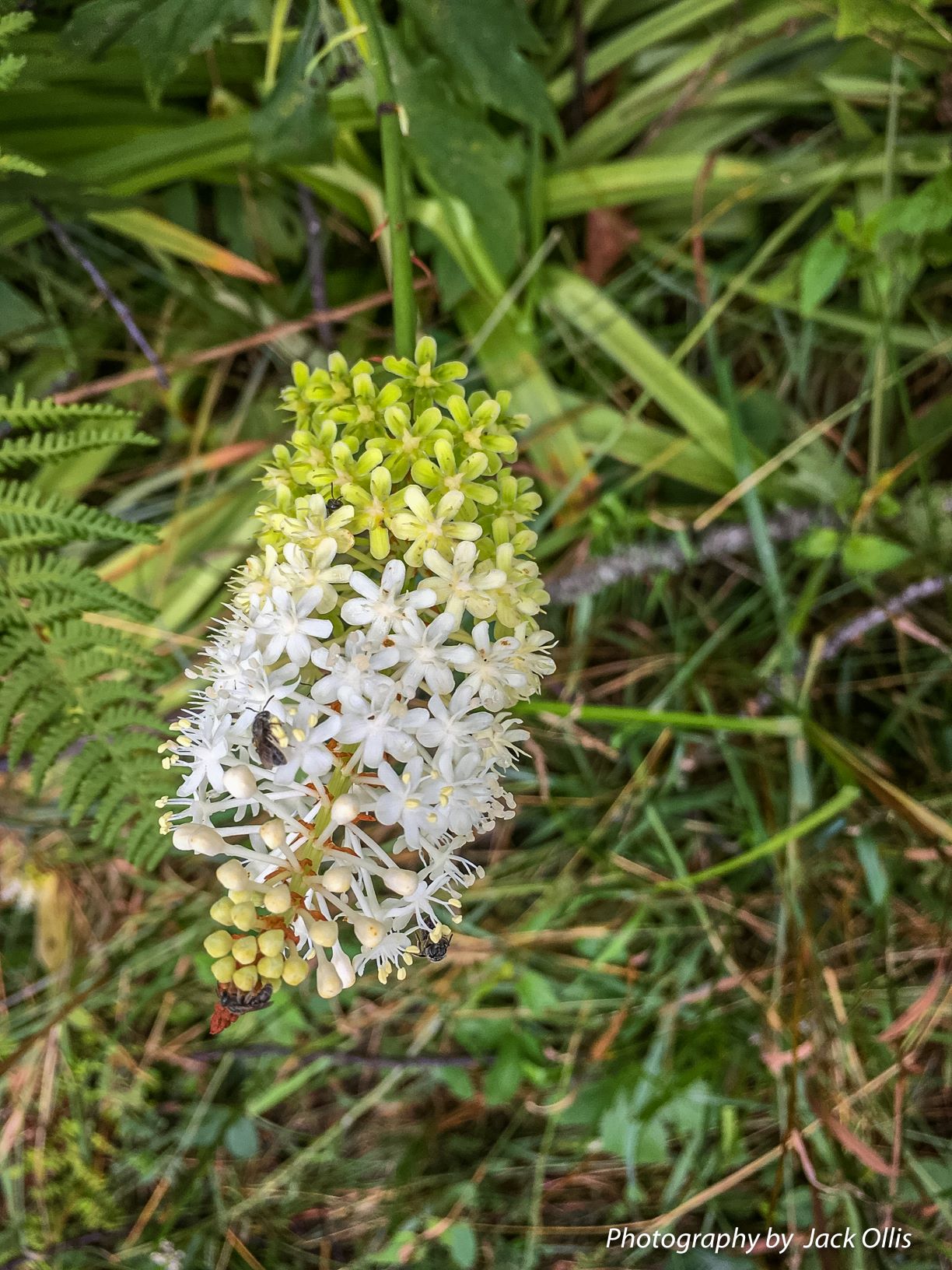
Fly Poison
Blooms: May-July
Amianthium muscaetoxicum
Mileposts 210-216, 406-408
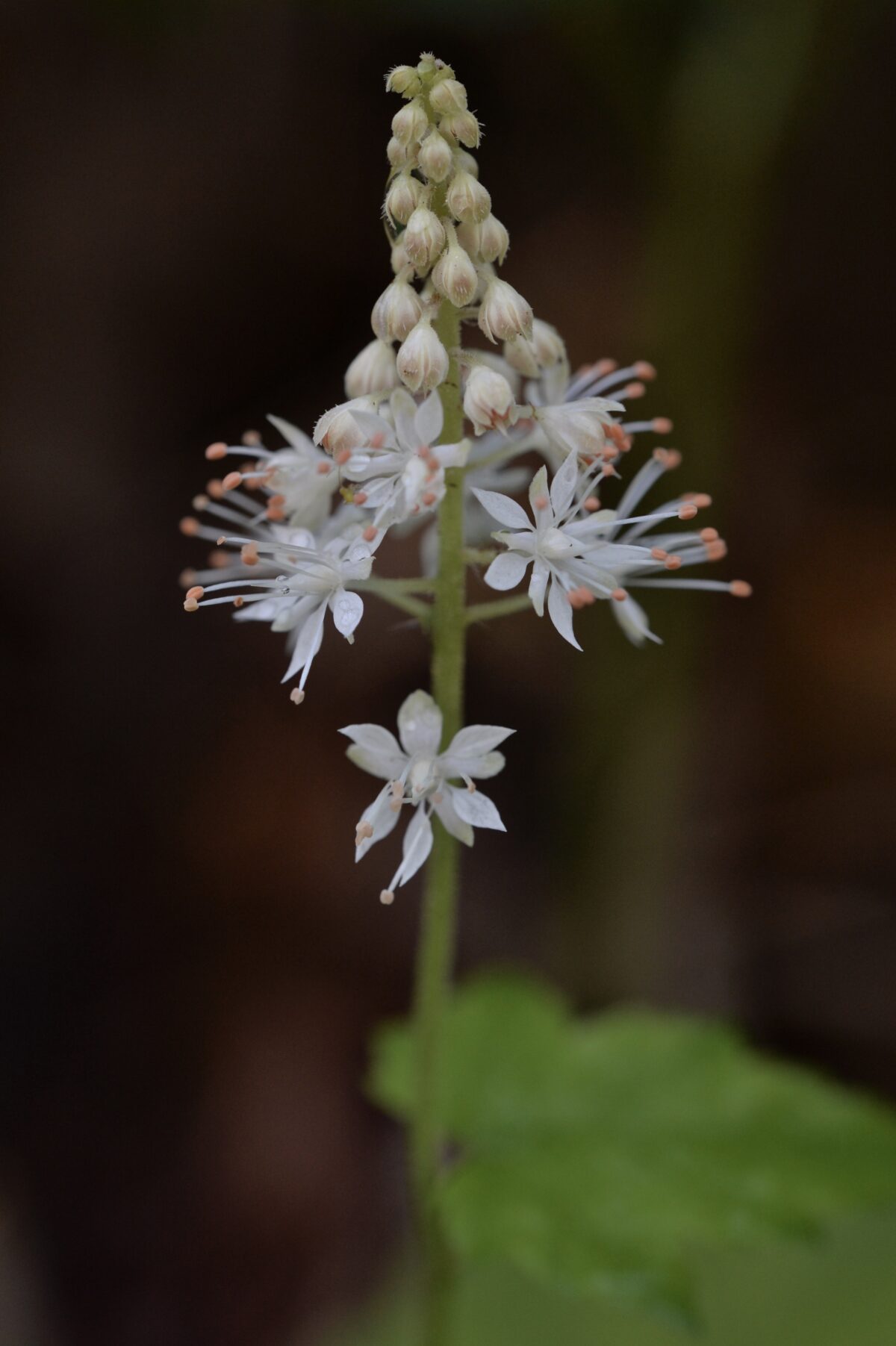
Foam Flower
Blooms: April-June
Tiarella cordifolia
Mileposts 296.9, 339.5, 367.7
Fragrant Thimbleberry
Blooms: June-July
Rubus odoratus
Mileposts 18, 74.7, 339.3, 369-372, 406-408
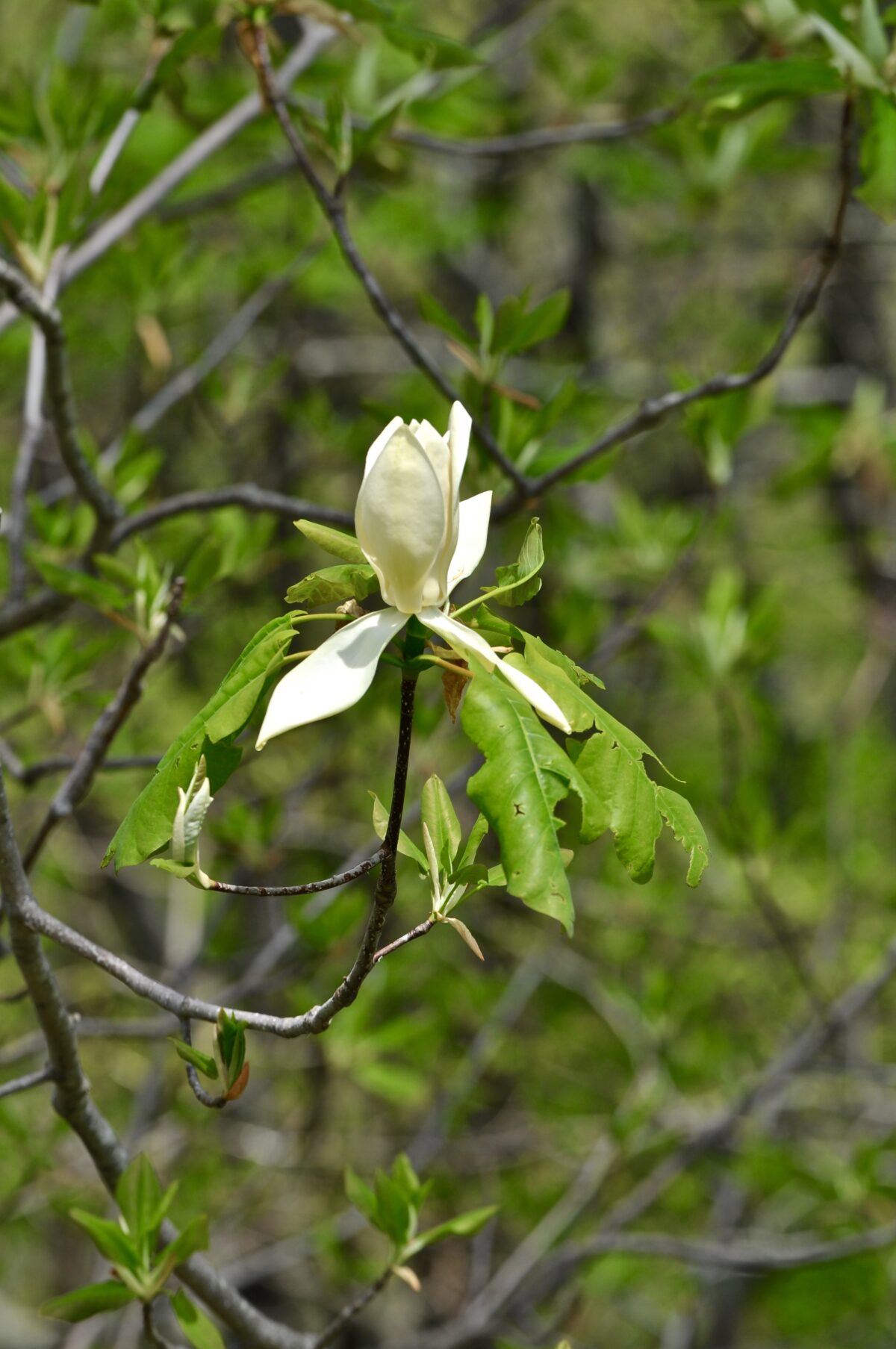
Fraser Magnolia
Blooms: May
Magnolia fraseri
Mileposts 173-174, 252-253
Fringed Phacelia
Blooms: April-May
Phacelia fimbriata
Mileposts 370-375

Galax
Blooms: May-July
Galax aphylla
Common in deciduous forests, open rocky areas.
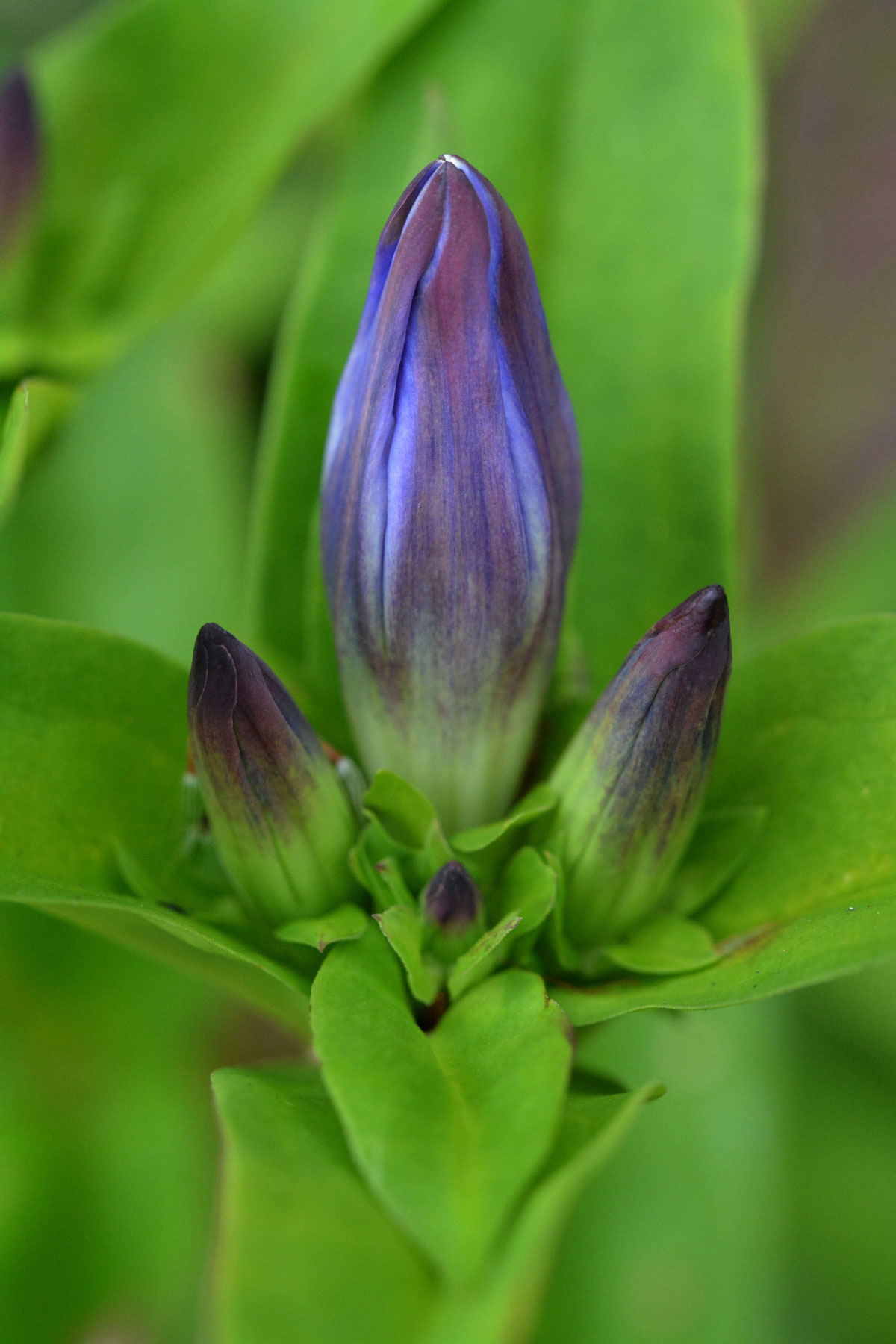
Gentian
Blooms: Late August-Frost
Gentiana quinquefolia
Mileposts 85.8, 363-368
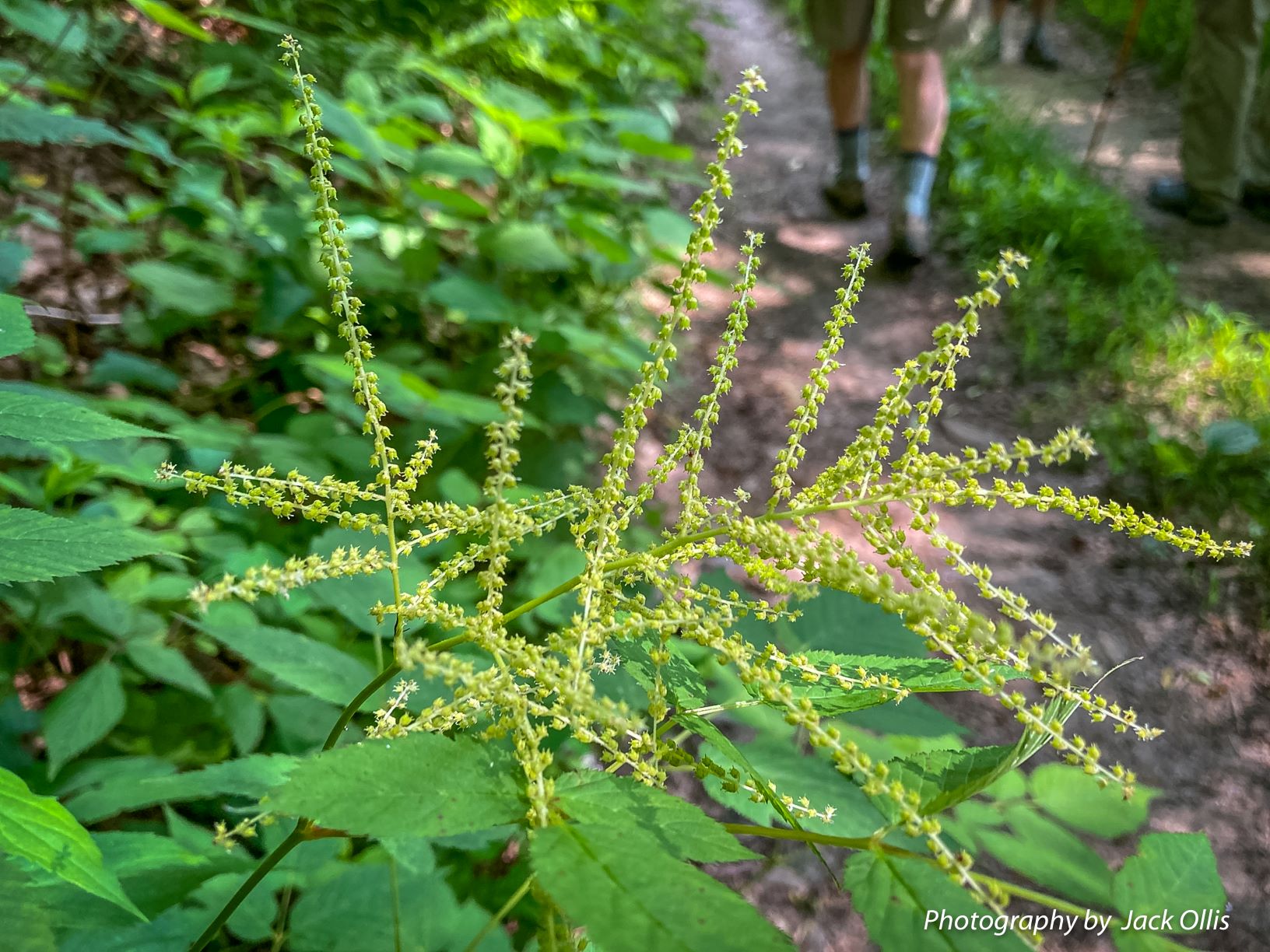
Goat’s Beard
Blooms: June
Aruncus dioicus
Mileposts: 10-11, 24, 240, 337.6, 370-375

Golden Groundsel or Golden Ragwort
Blooms: April-May
Packera aurea
Mileposts 29.1, 85.8, 330-340
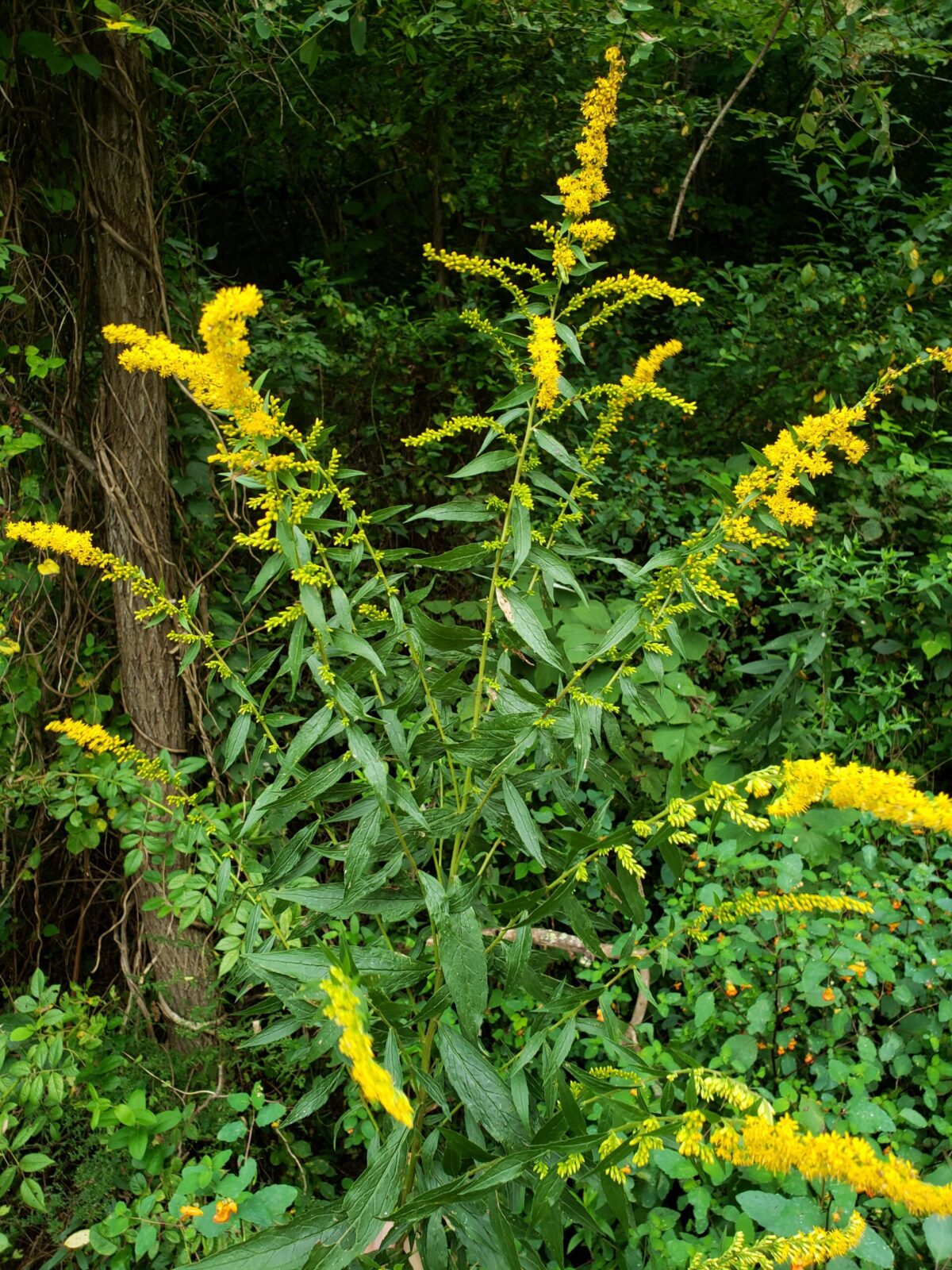
Goldenrod
Blooms: September
Solidago spp.
Common in fields and along roadside.
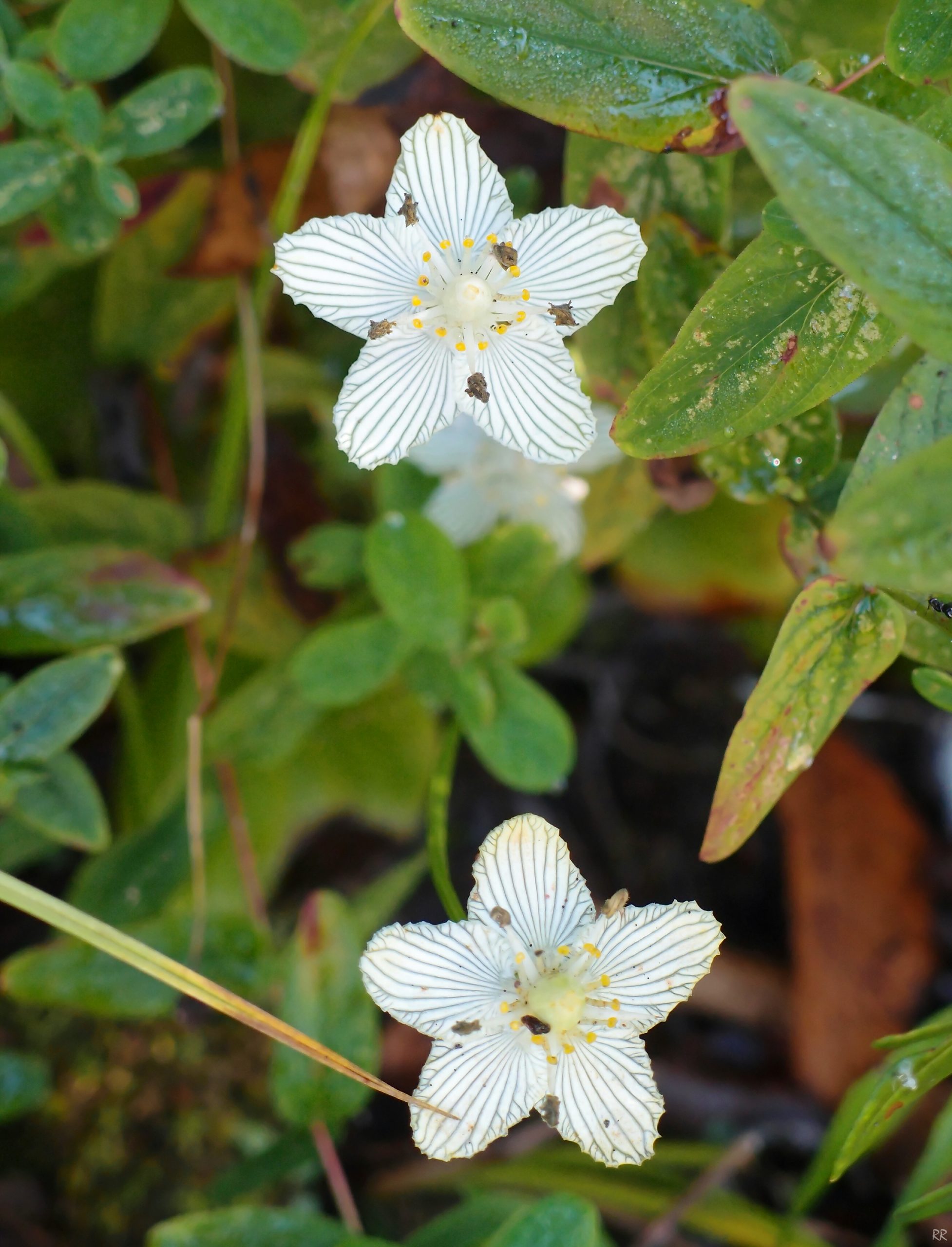
Grass of Parnassus
Blooms: August-October
Parnassia asarifolia
Milepost 424.8 on rock wall across from overlook
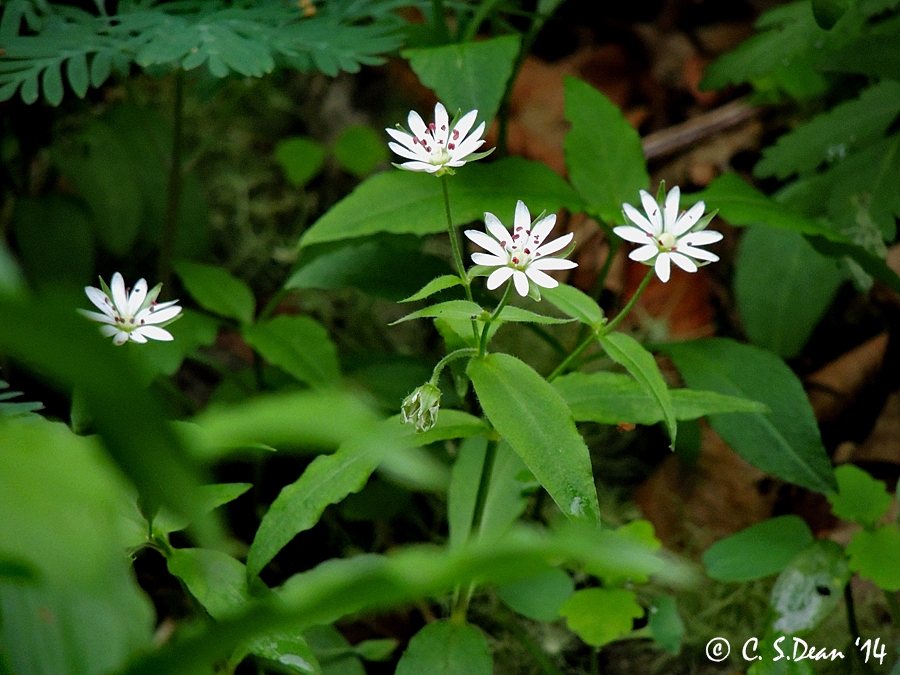
Great Chickweed, Star Chickweed
Blooms: April-May
Stellaria pubera
Common in rich, moist woods.
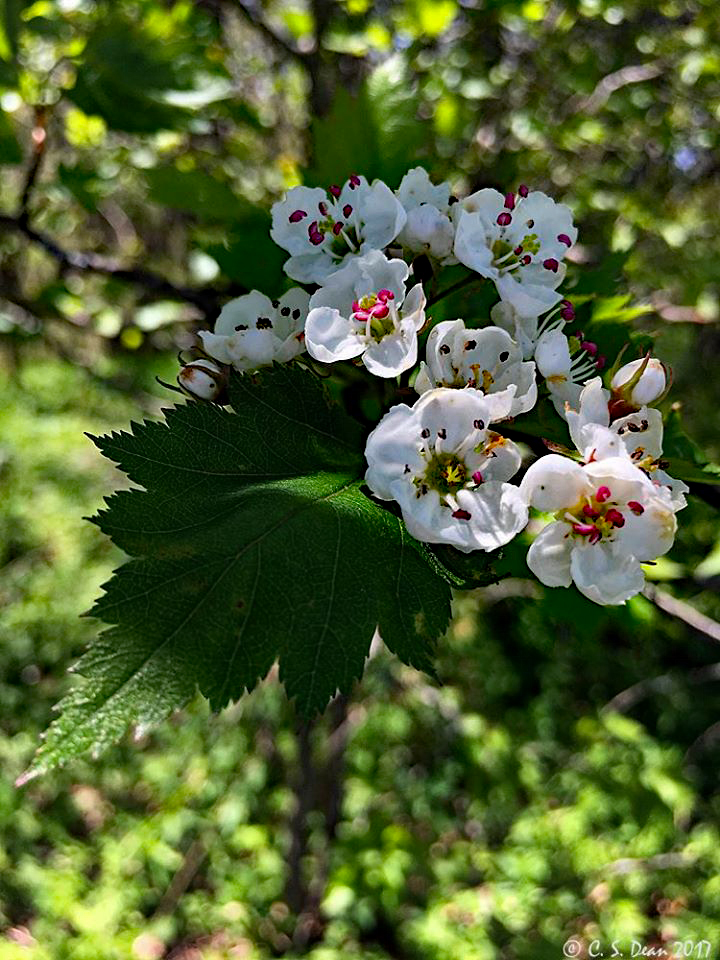
Hawthorne
Blooms: May-June
Crataegus spp.
Mileposts 155-176, 365.6, 368
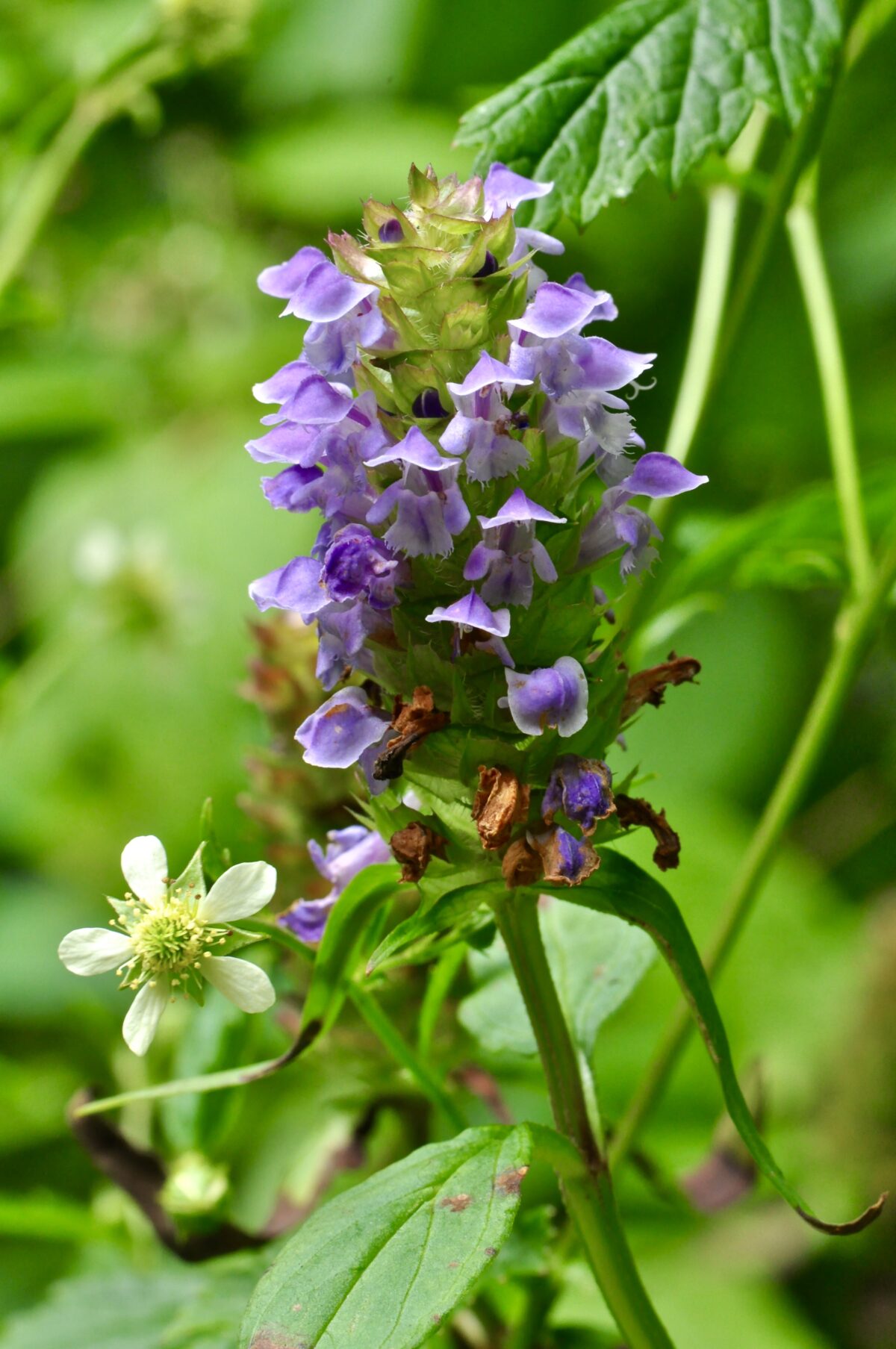
Heal All
Blooms: April-Frost
Prunella vulgaris
Common along roadside.

Indian Paintbrush
Blooms: April-May
Castilleja coccinea
Mileposts 369-371
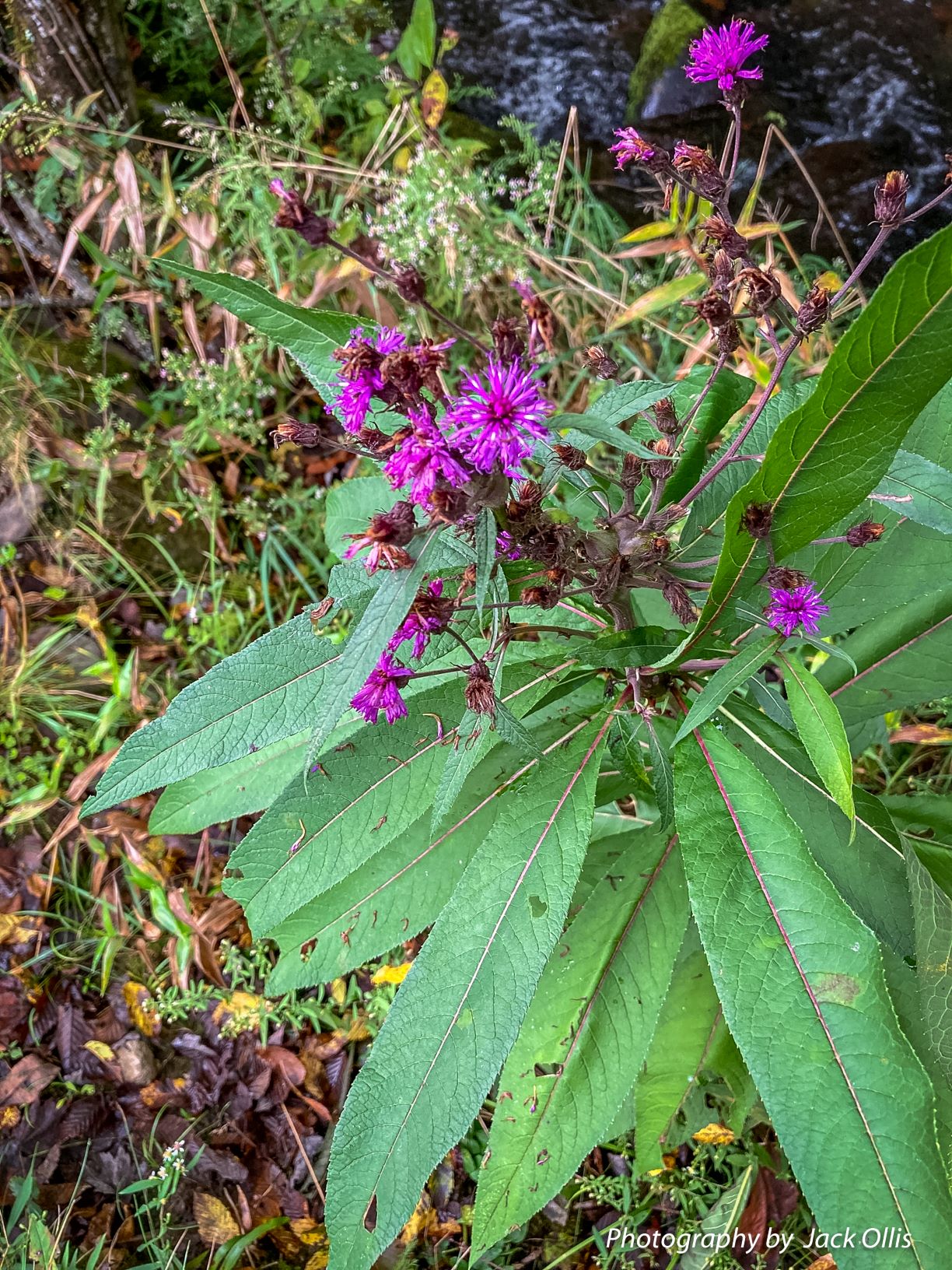
Ironweed
Blooms: August
Venonia noveboracensis
Mileposts 245, 248
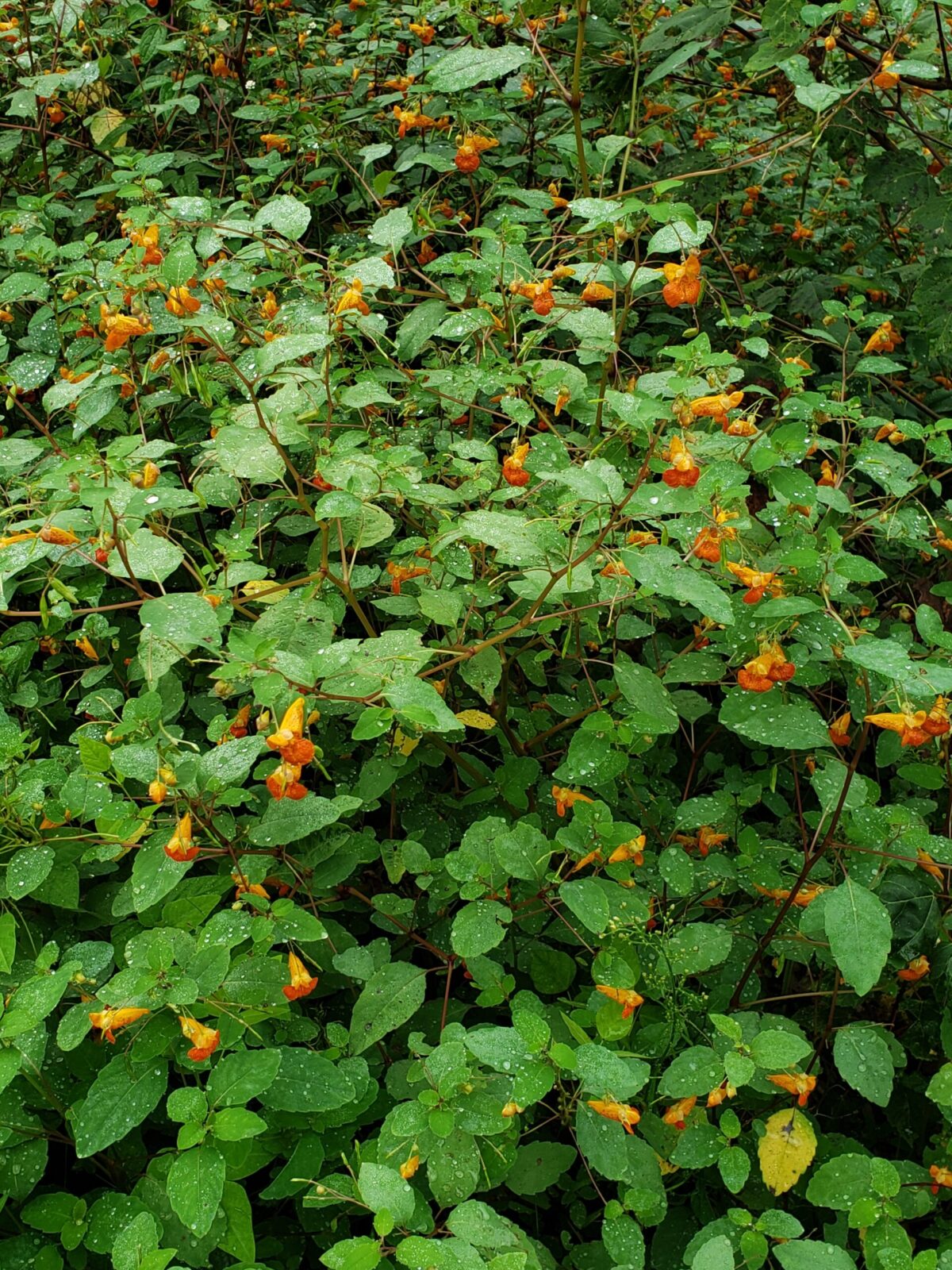
Jewelweed
Blooms: August
Impatiens capensis
Common along roadside in wet areas.
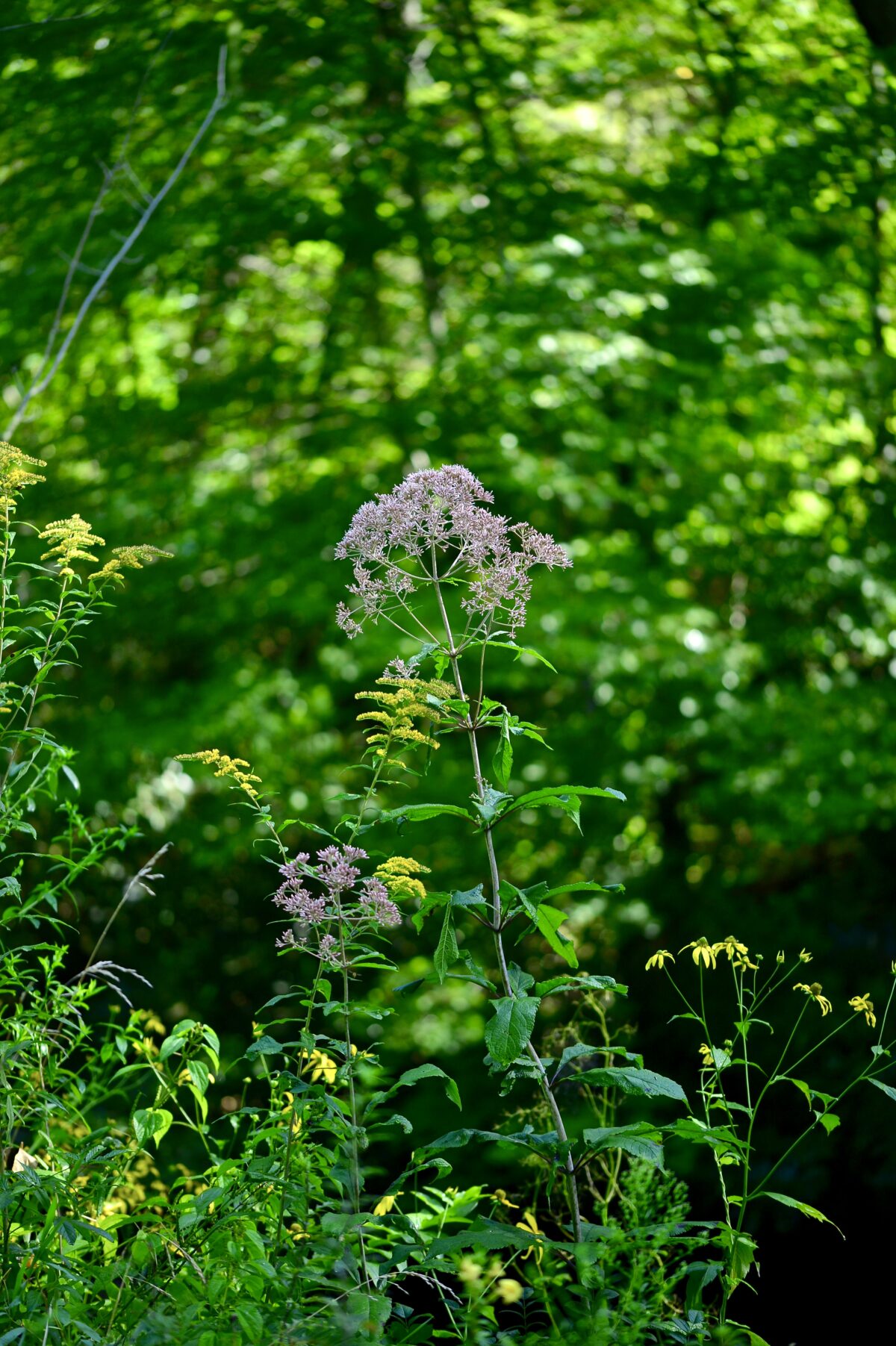
Joe Pye Weed
Blooms: August
Eupatorium purpureum
Mileposts 6, 85.8, 146, 248, 339.3, 357-359
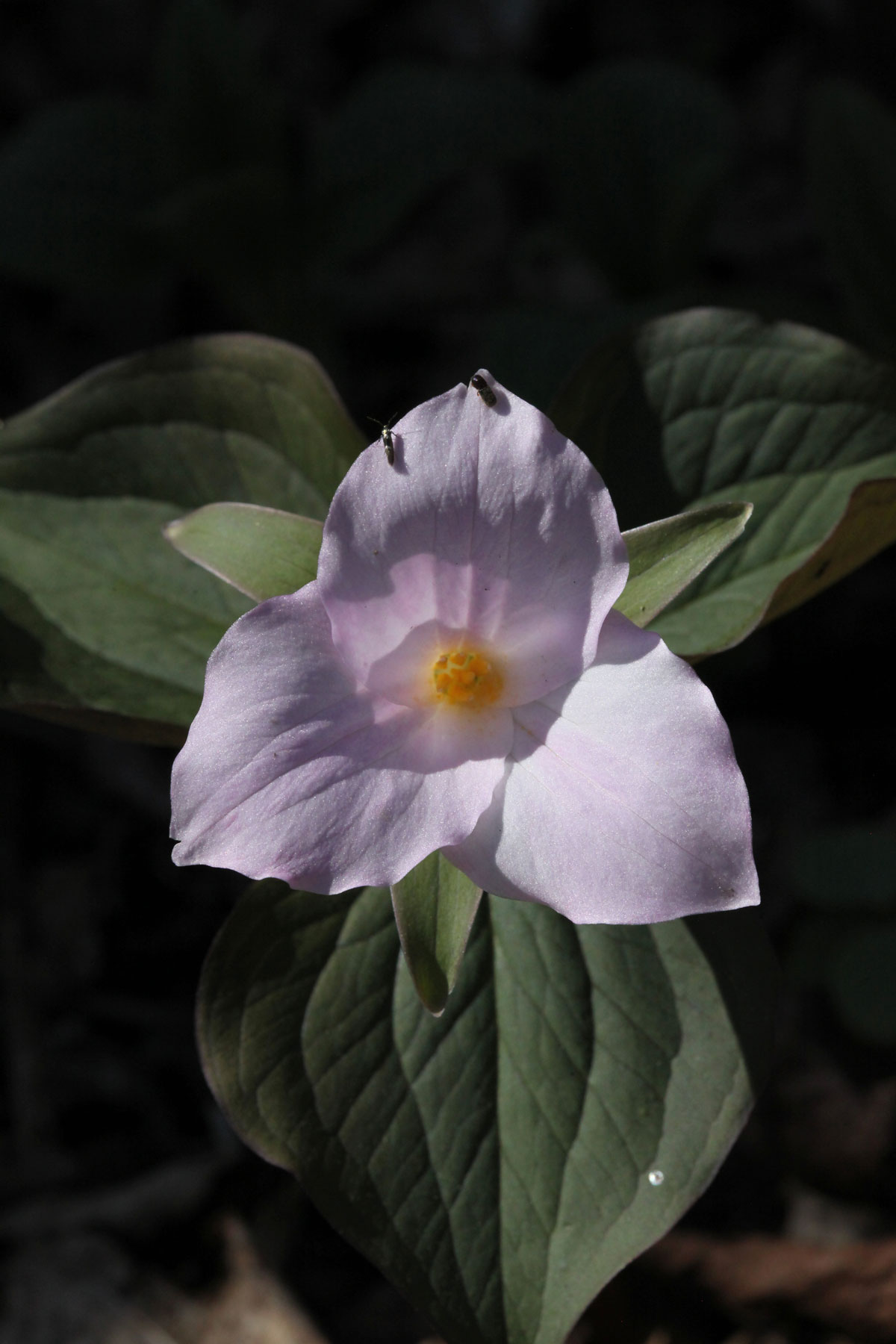
Large Flowered Trillium
Blooms: May
Trillium grandiflorum
Mileposts 3-7, 64-85, 154.5, 168-169, 175, 330-340, 370-375
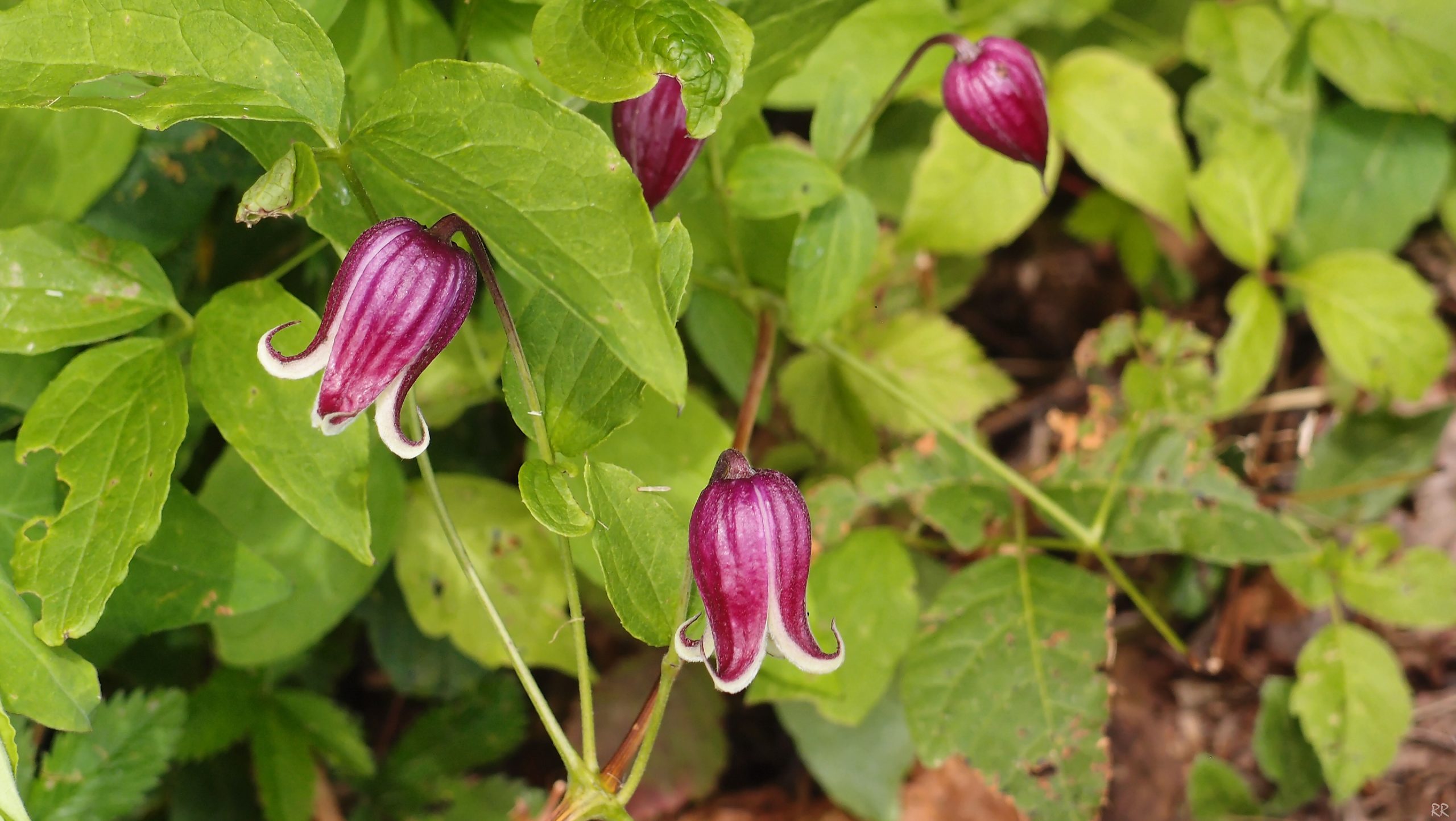
Leatherflower
Blooms: May-August
Clematis viorna
Milepost 404 Big Ridge Overlook
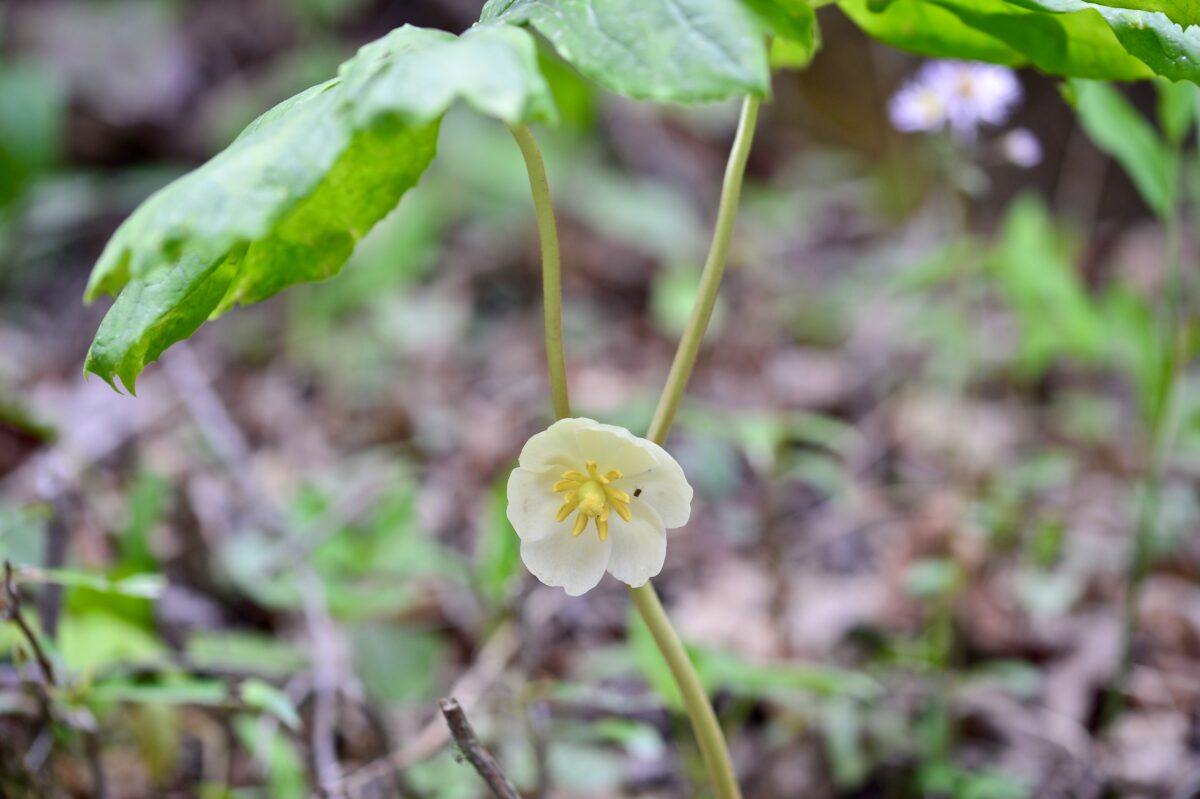
Mayapple
Blooms: March-April
Podophyllum peltatum
Mileposts 76.2-76.4, 296-297, 315-317, 320.8, 339.5
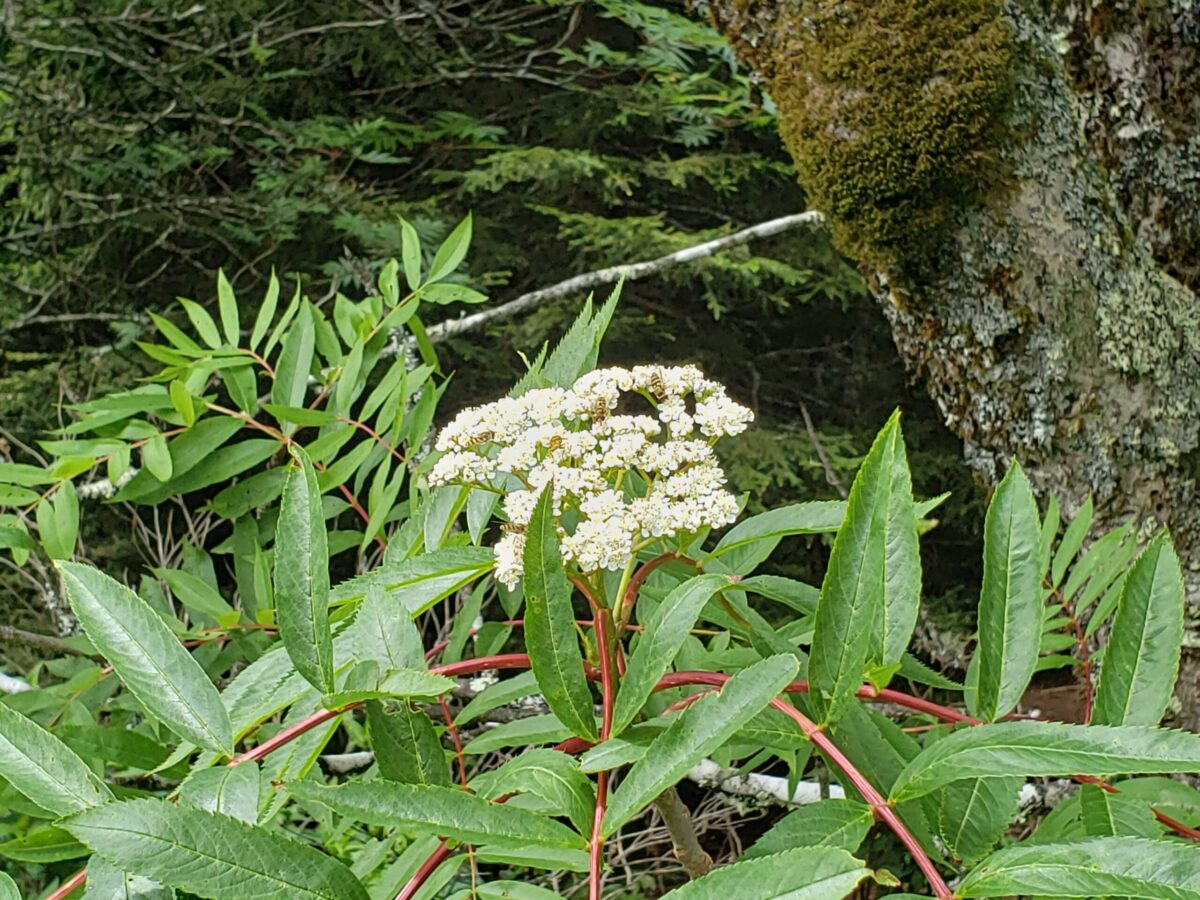
Mountain Ash
Blooms: June-July; Berries: September-October
Sorbus americana
Higher elevation spruce-fir forests, Mt. Mitchell, Mt. Pisgah, Shining Rock Wilderness/Black Balsam area.
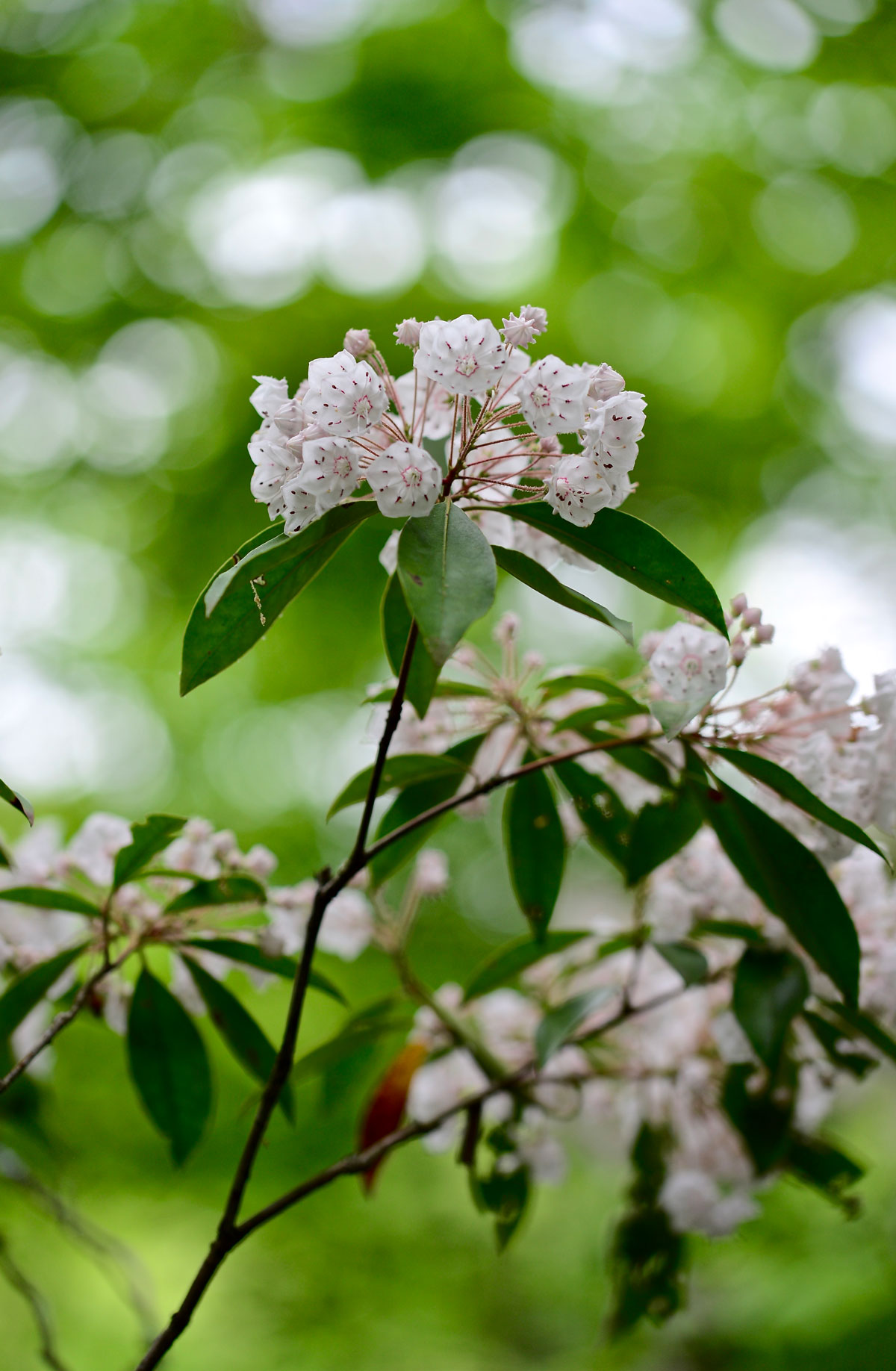
Mountain Laurel
Blooms: Late May-June
Kalmia latifolia
Mileposts 130.5, 162.9, 347.9, 380, 400

Mullein
Blooms: June-September
Verbasxum thapsus
Common along roadside on dry banks, naturalized but not native.

New Jersey Tea
Blooms: May-June
Ceanothus americanus
Mileposts 42-43, 91-100, 138.4, 197, 211, 241, 328.6
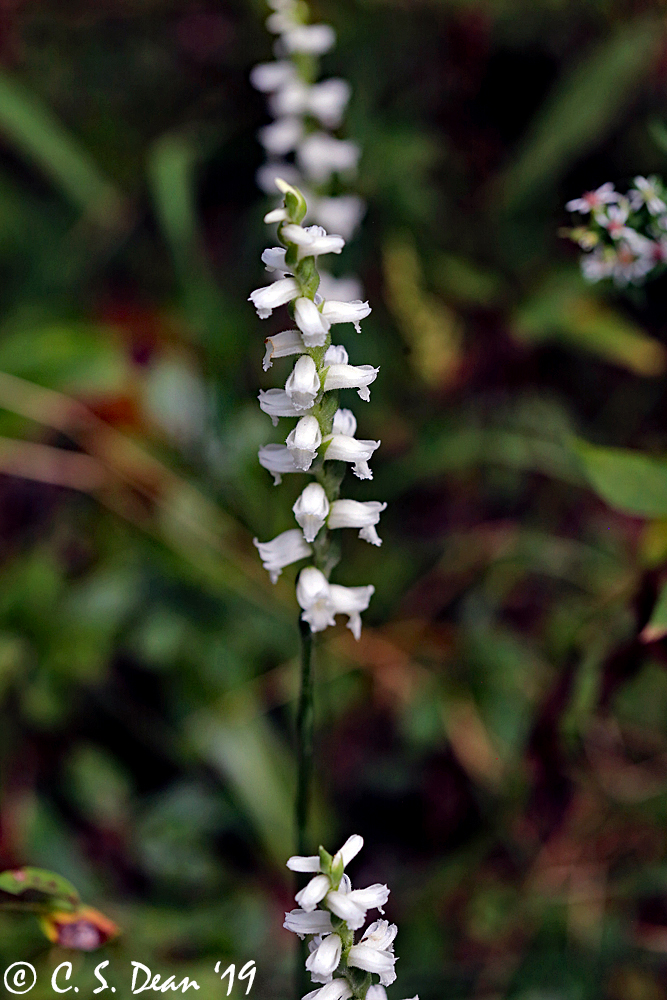
Nodding Lady Tresses
Blooms: August-Frost
Spiranthes cernua
Mileposts 365-368, 425.4

Oriental Bittersweet
Blooms: May-June; Berries: August-September
Celastrus orbiculatus
Commonly found in North Carolina. Highly invasive.
Mileposts 242.4, 383, 394, 396
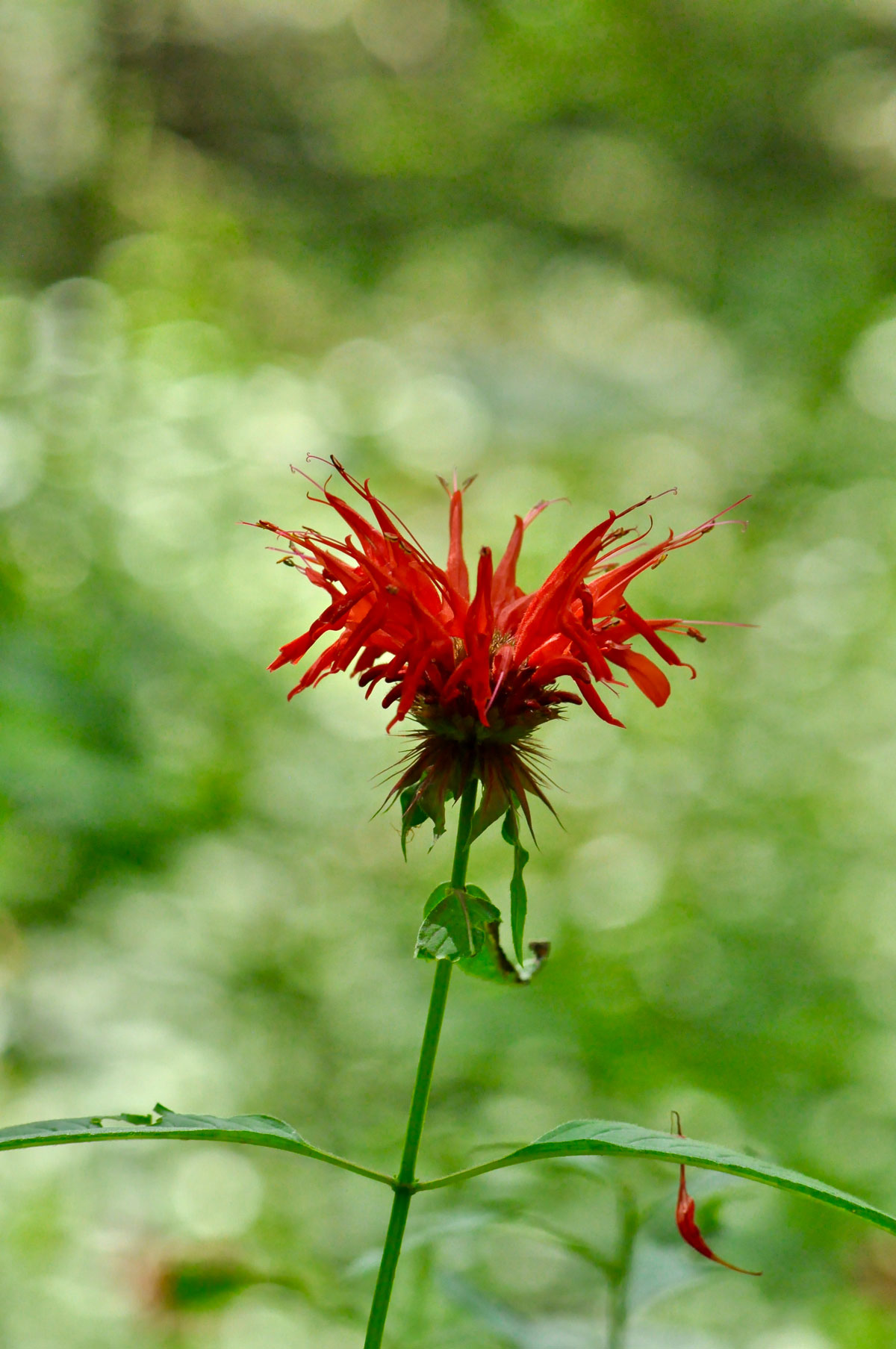
Oswego Tea
Blooms: July-August
Monarda didyma
Common in wet areas at higher elevations.
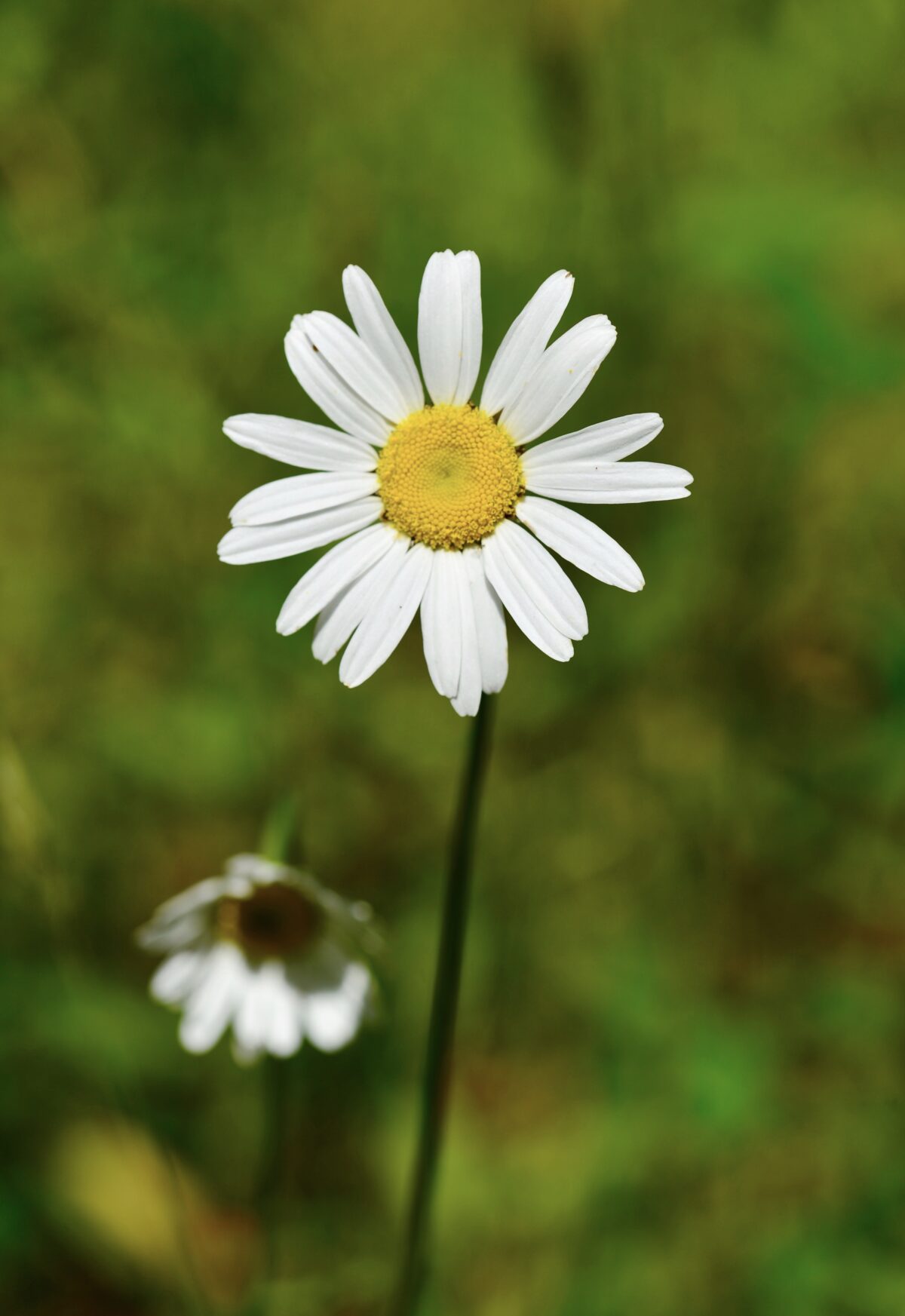
Ox-Eye Daisy
Blooms: July
Chrysanthemum leucanthemum
Common in fields and along roadside.
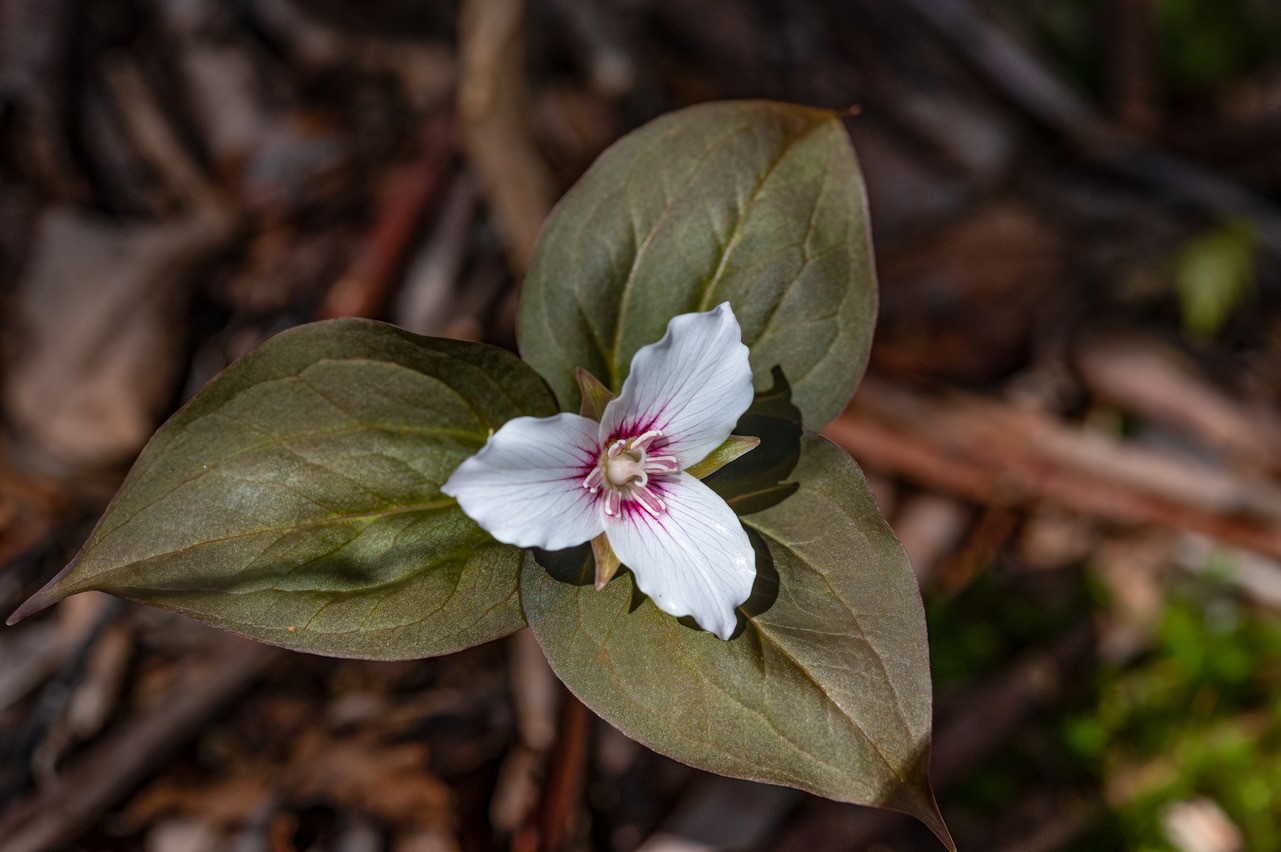
Painted Trillium
Blooms: April-June
Trillium undulatum
Mileposts 175, 200-216, 339-340, 364.6
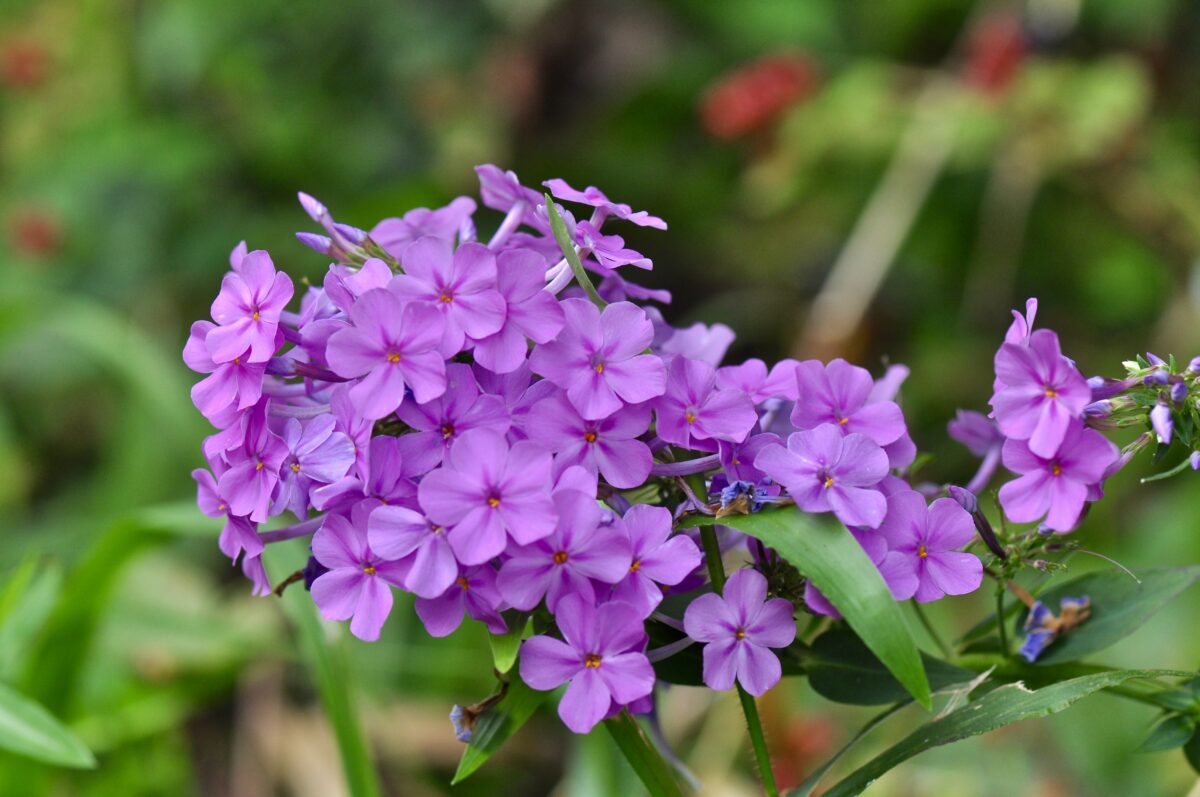
Phlox
Blooms: May-July
Phlox carolina
Mileposts 4, 79-82, 163-164, 200-202, 219-221, 339.3, 370-380
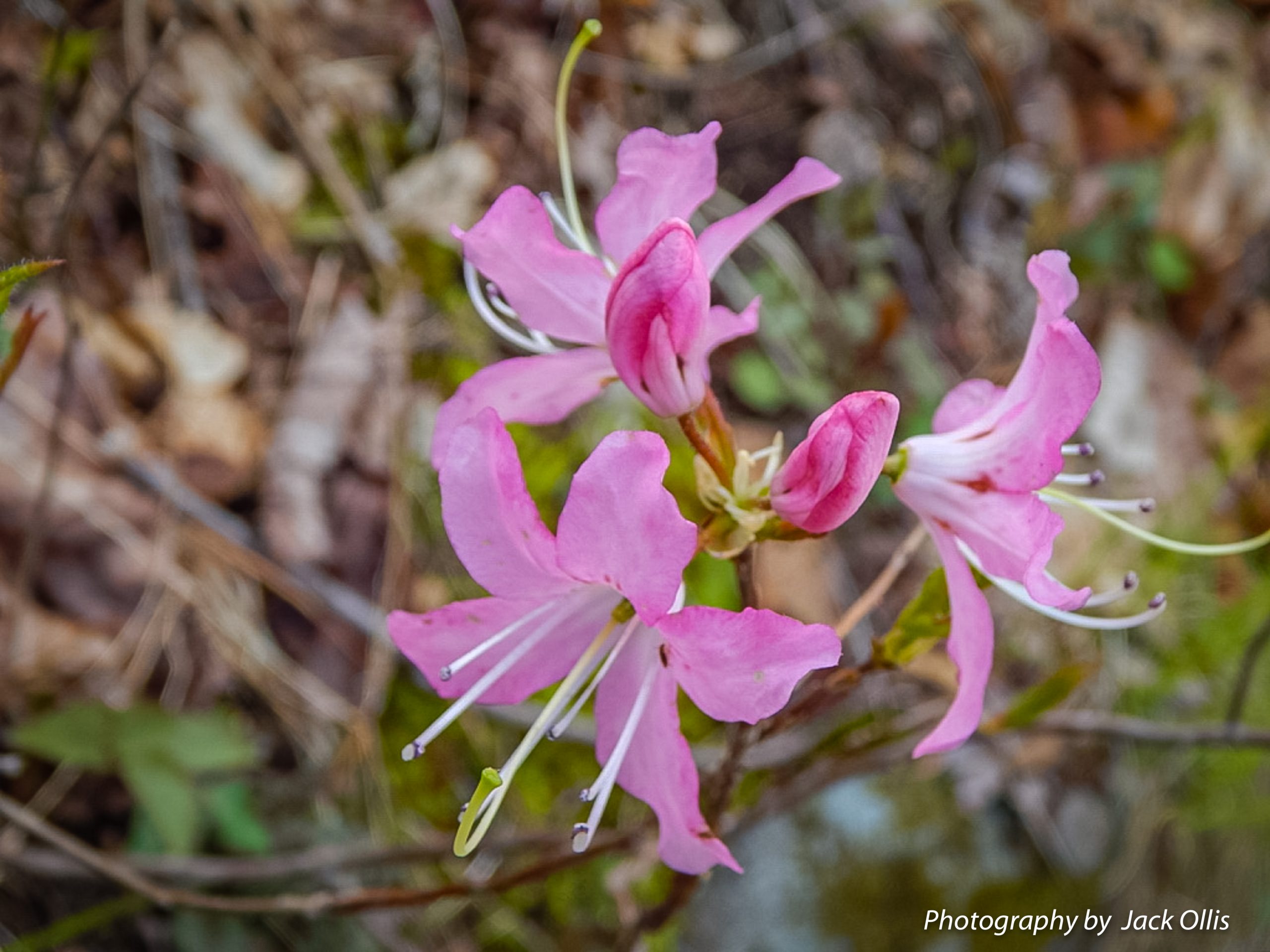
Pinkshell Azalea
Blooms: May-June
Rhododendron vaseyi
Mileposts 305.2, 342-343, 349-351, 419-424

Pinxter Flower
Blooms: April-May
Rhododendron nudiflorum
Mileposts 4, 92-97, 138.6, 145.5, 154.5, 162.9, 211.6, 217-222, 350-351, 412-423
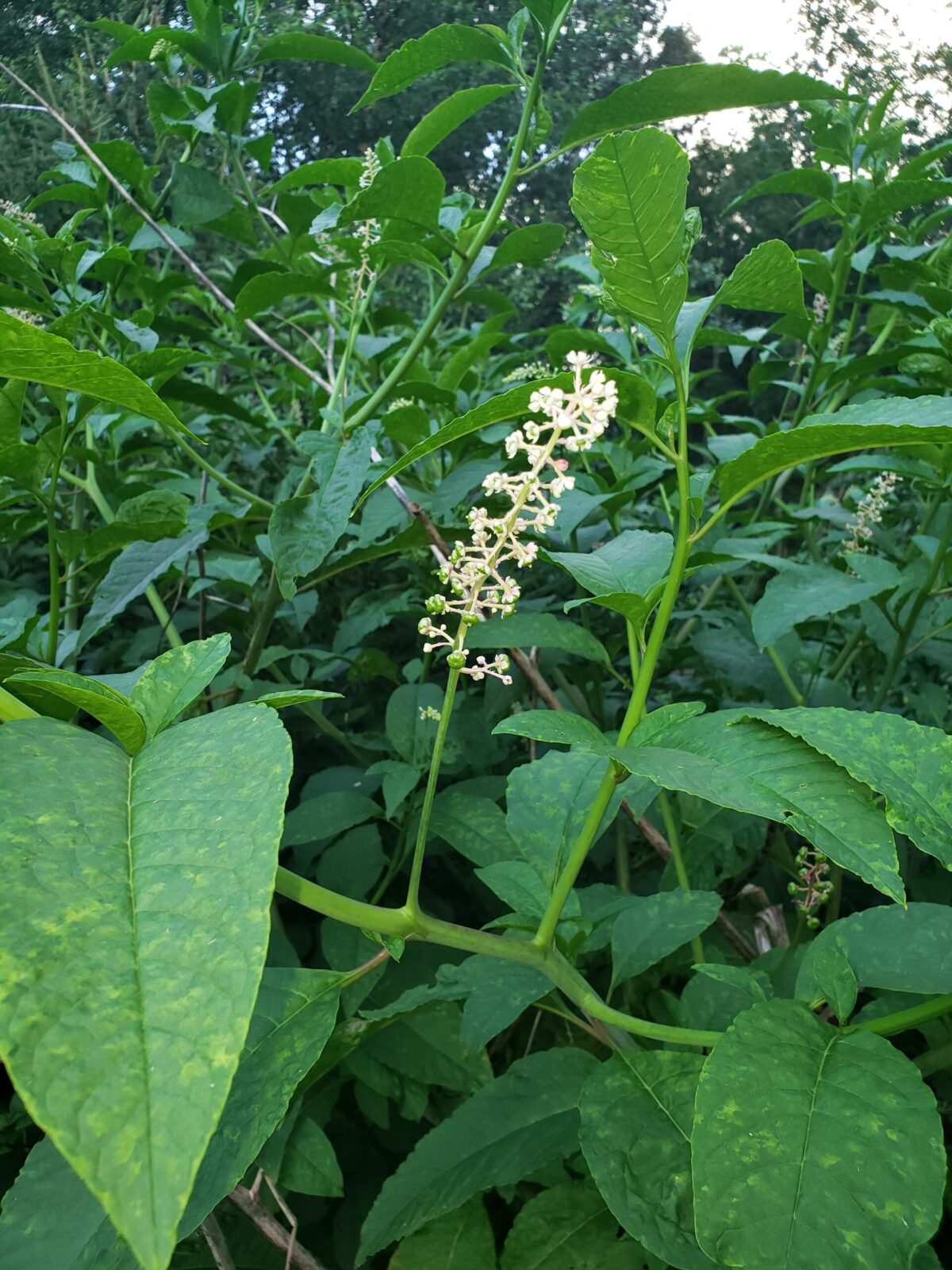
Pokeberry
Blooms: August
Phytolacca americana
Mileposts 6, 74.7, 151, 239.9, 323, 376.9

Princess Tree, Royal Paulownia
Blooms: April-May
Paulownia tomentosa
From Asia. Highly invasive. Grows wherever the seeds can sprout.
Mileposts 100-123, 381-382, 396, 400

Queen Anne’s Lace
Blooms: May-September
Daucus carota
Common along open fields and roadside.
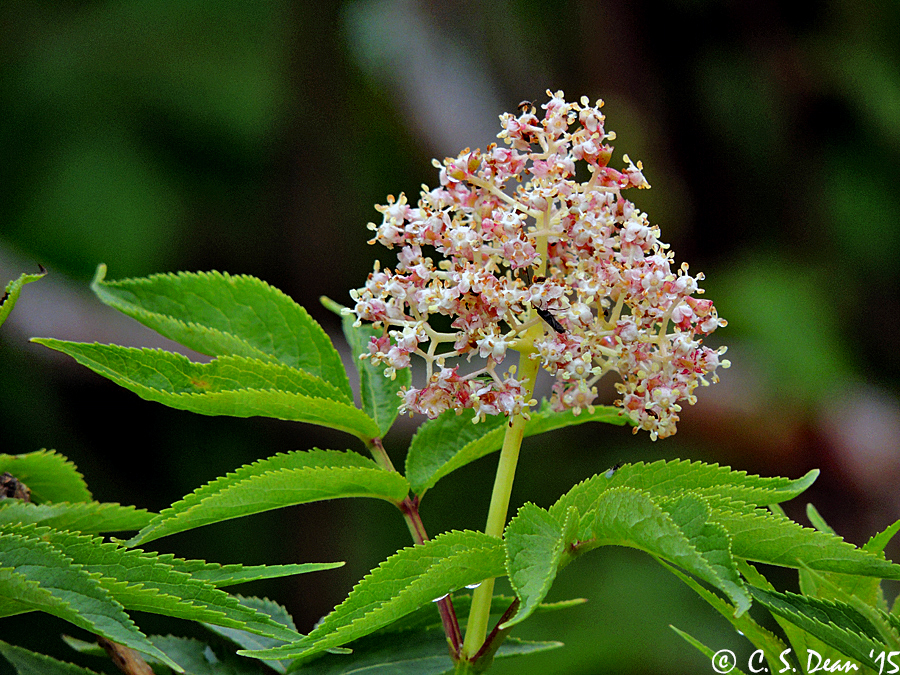
Red Berried Elder
Blooms: May-June
Sambucus pubens
Higher elevations in rich, moist woods.
Mileposts 355-360, 369, 412-425
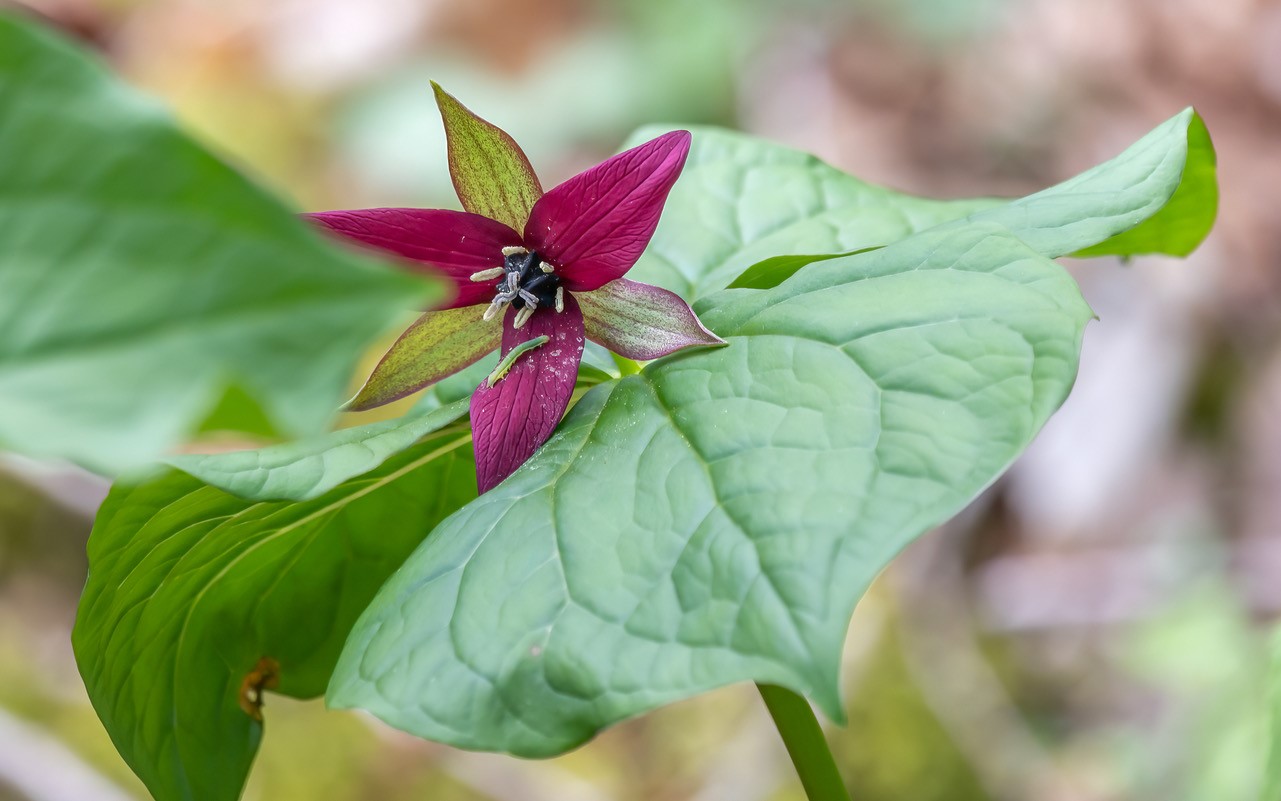
Red Trillium
Blooms: March-June
Trillium erectum
Mileposts 175, 200-216, 339-340, 364.6
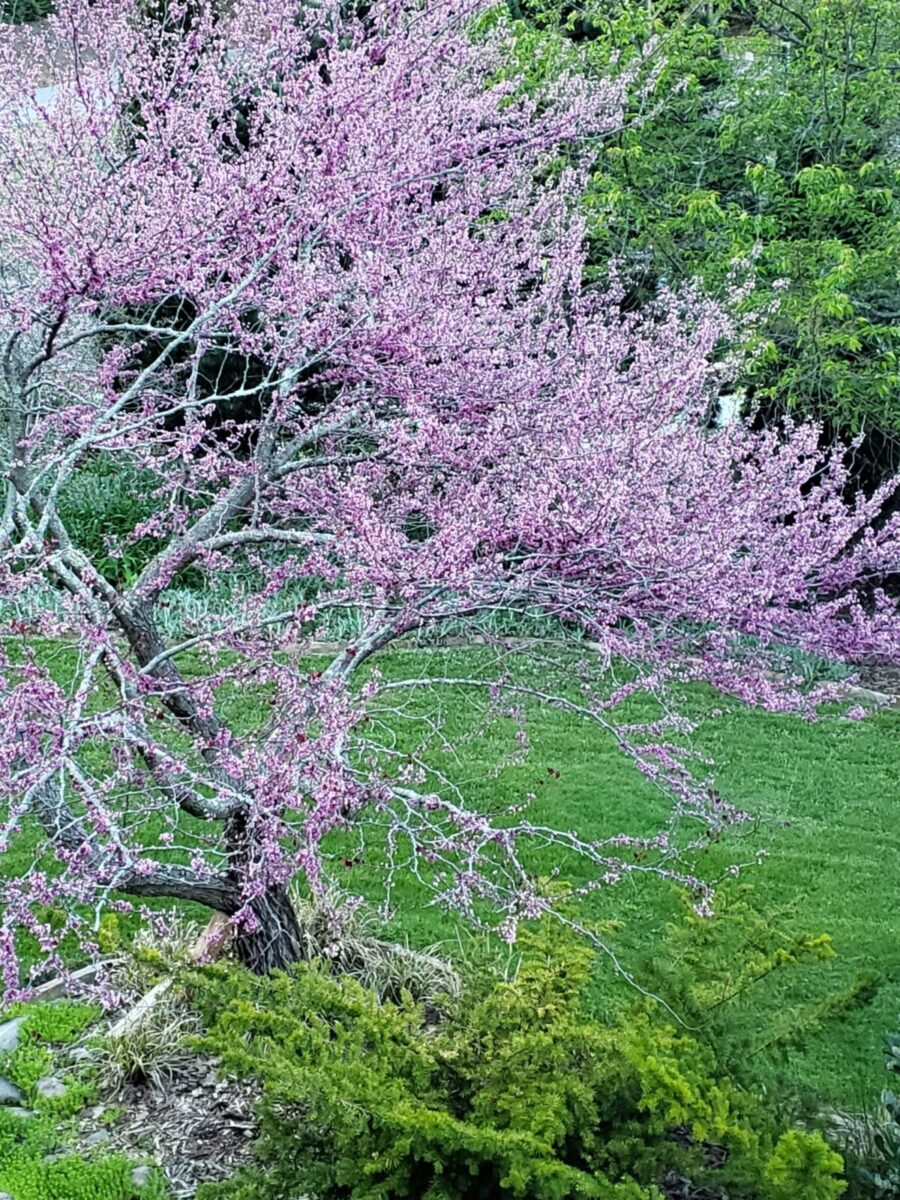
Redbud
Blooms: Late April-May
Cercis canadensis
Mileposts 54-68
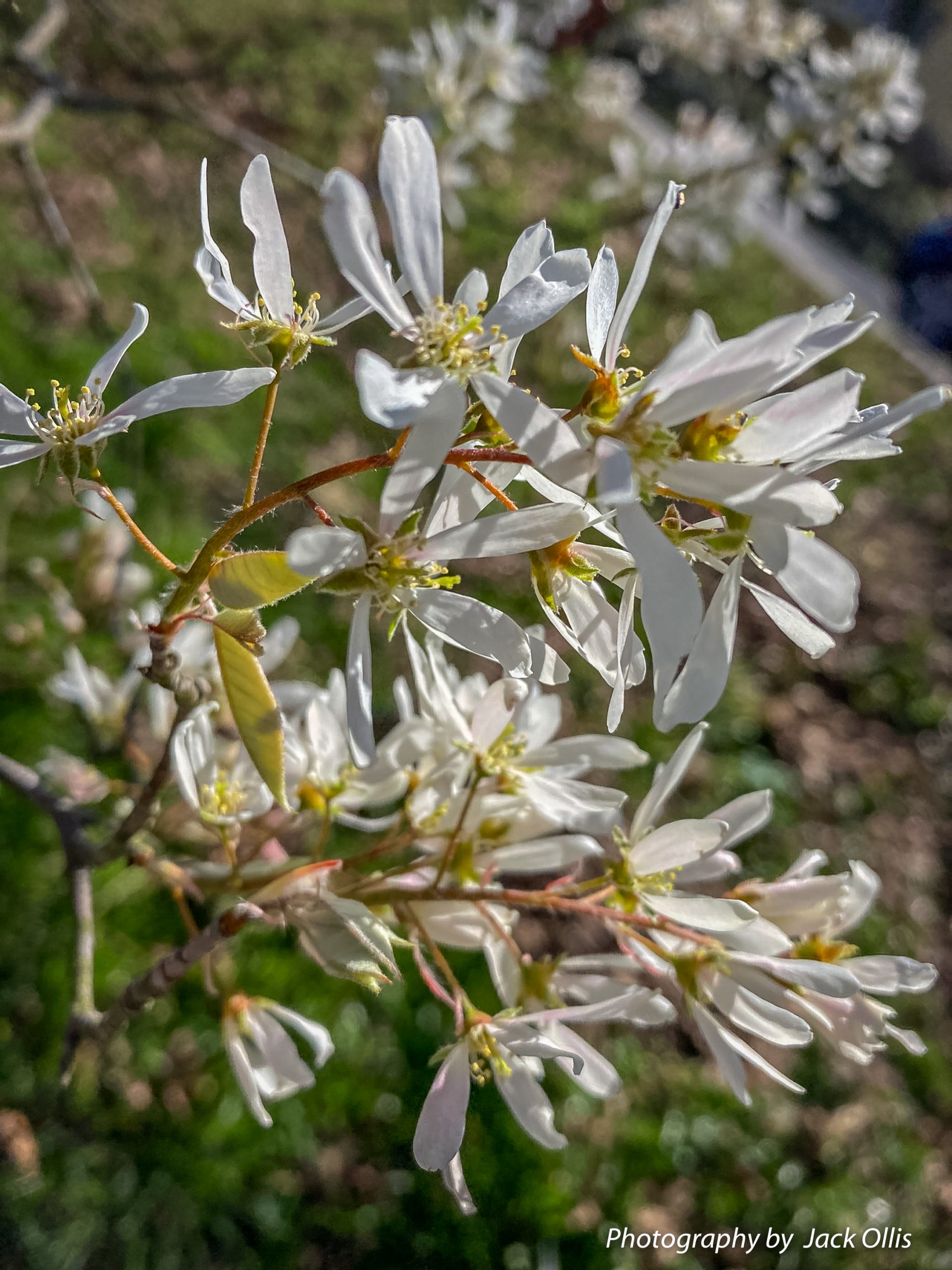
Serviceberry or Sarvis
Blooms: March-May
Amelanchier arborea
Mileposts 241-242, 294-297, 308.3, 347.6, 368-370
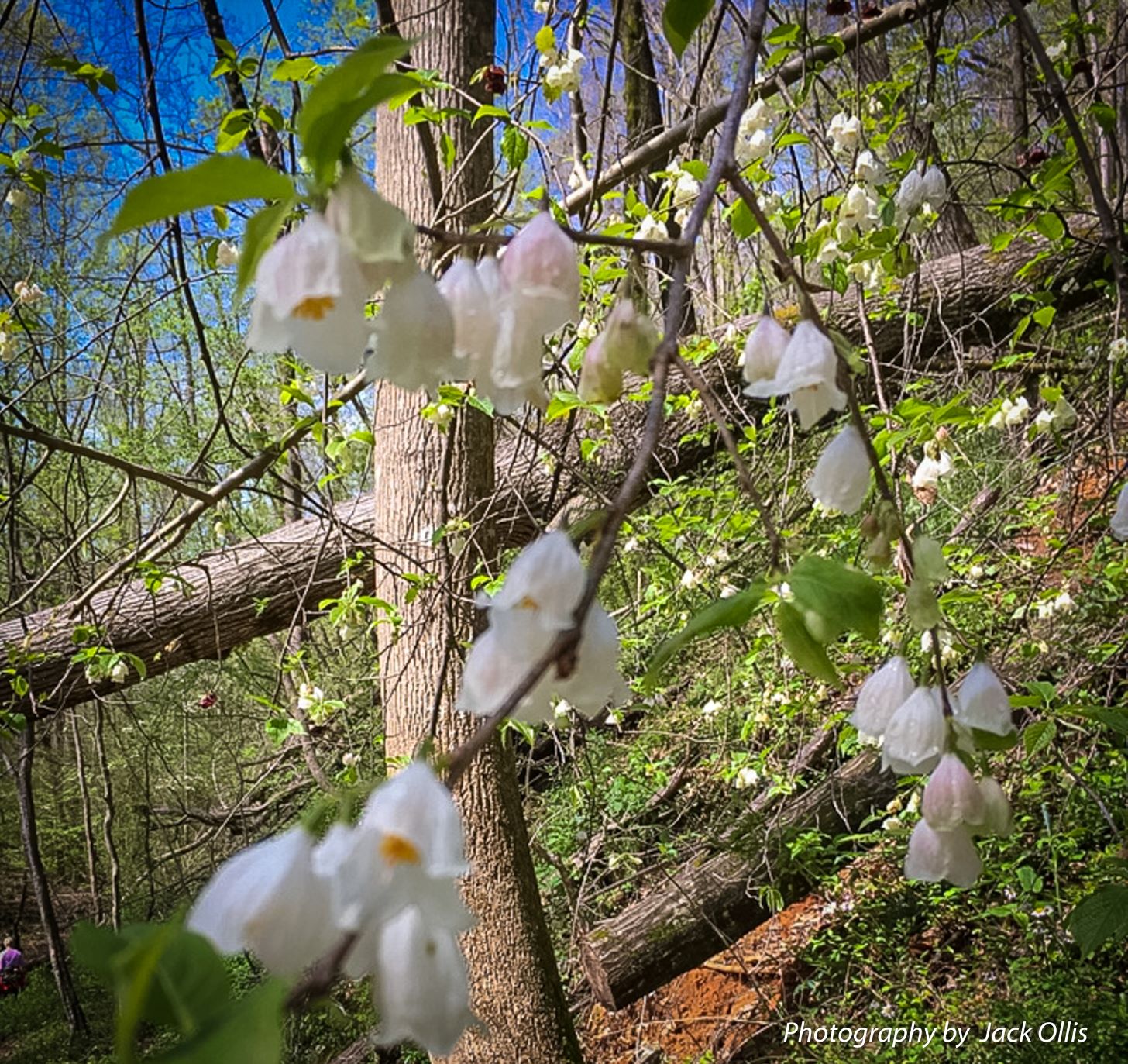
Silverbell Tree
Blooms: March-May
Halesia carolina
Mileposts 344.1-355.3
Skunk Cabbage
Blooms: February-March
Sympocarpus foetidus
Mileposts 176.1, 185.8, 217
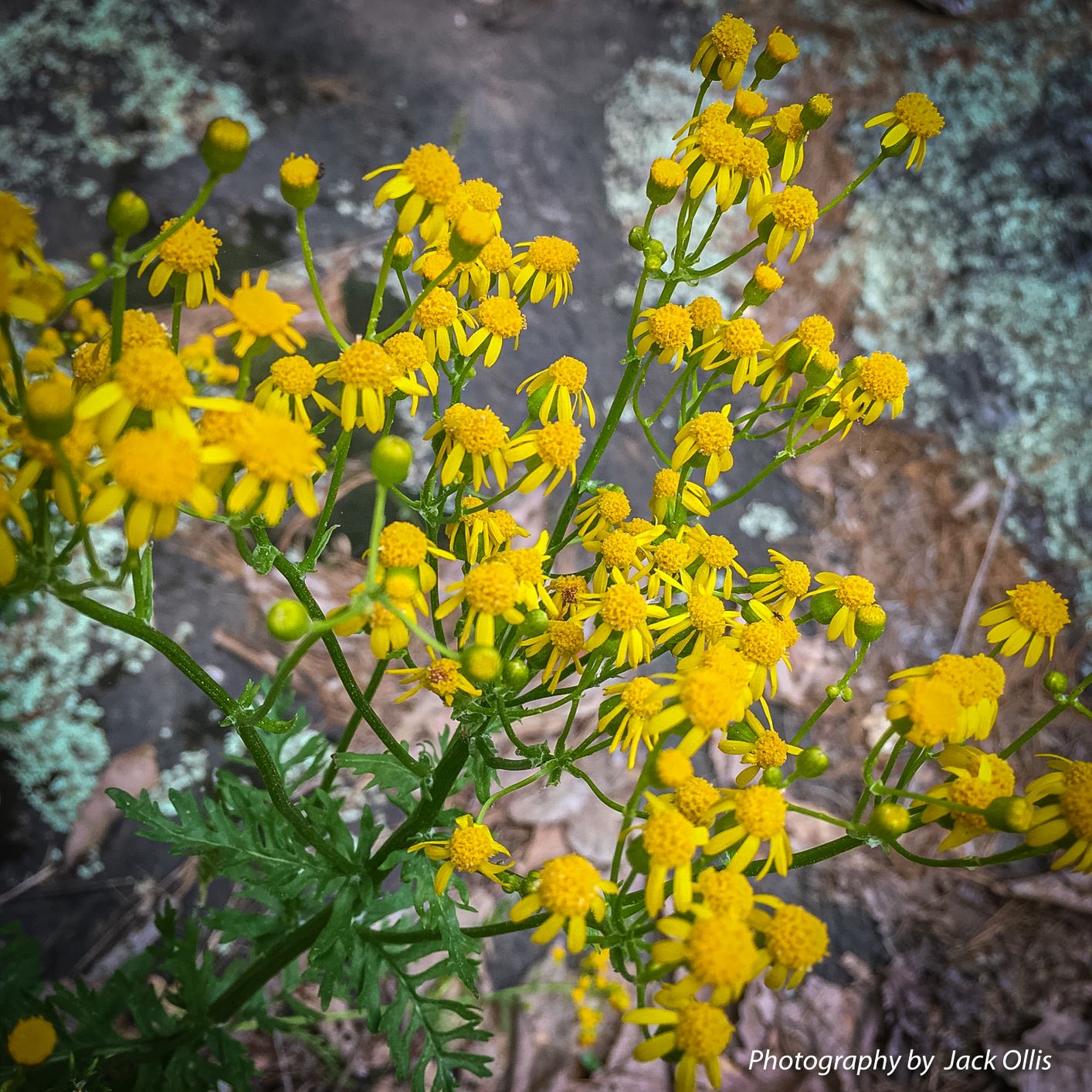
Small’s Groundsel
Blooms: May-June
Senecio smallii
Mileposts 29.1, 85.8, 330-340
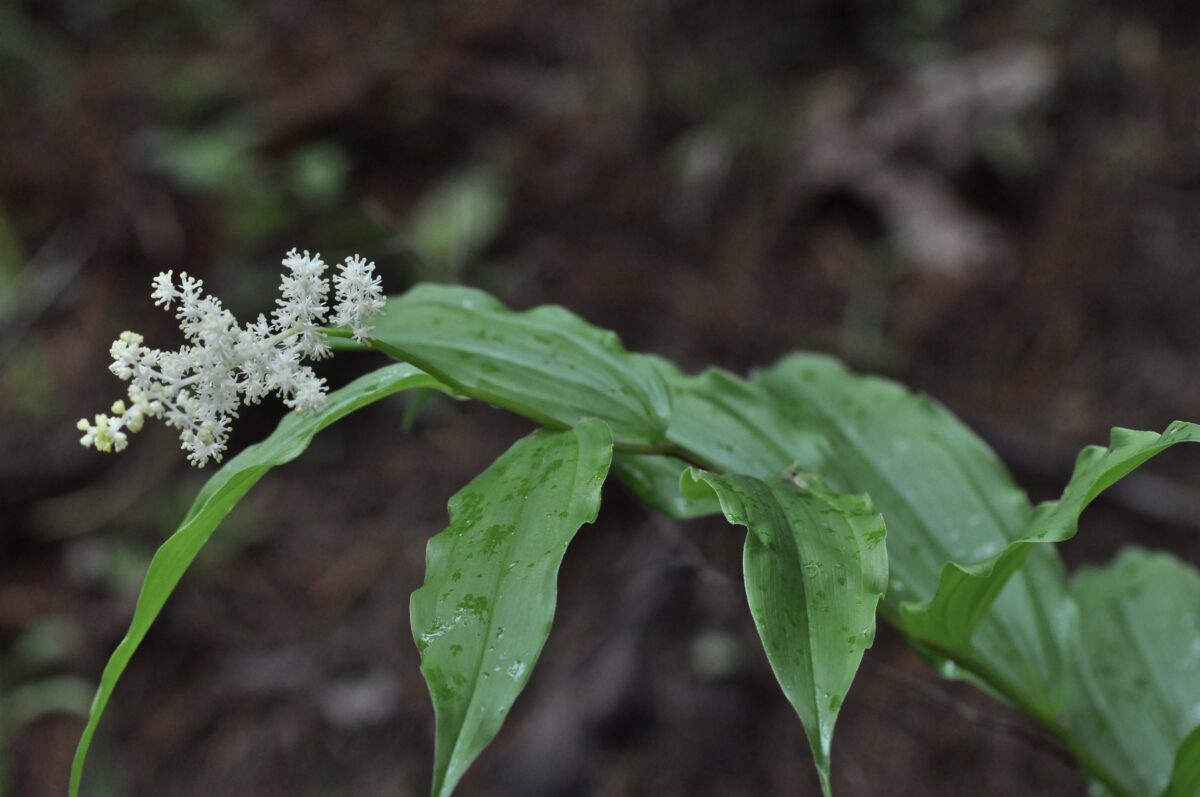
Solomon’s Plume
Blooms: April-June
Maianthemum racemosum
Found commonly along roadside.
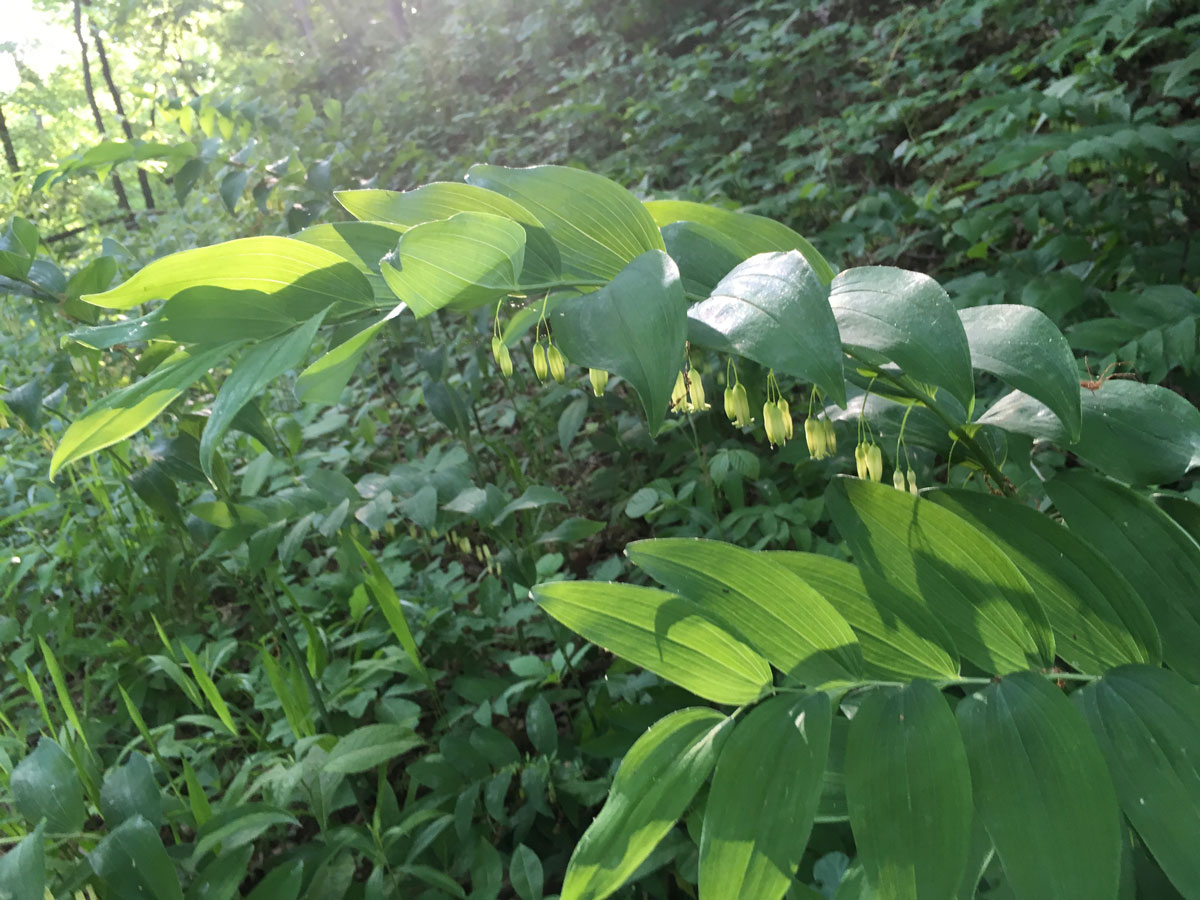
Solomon’s Seal
Blooms: April-May
Polyganatum biflorum
Common on moist wooded slopes, coves.
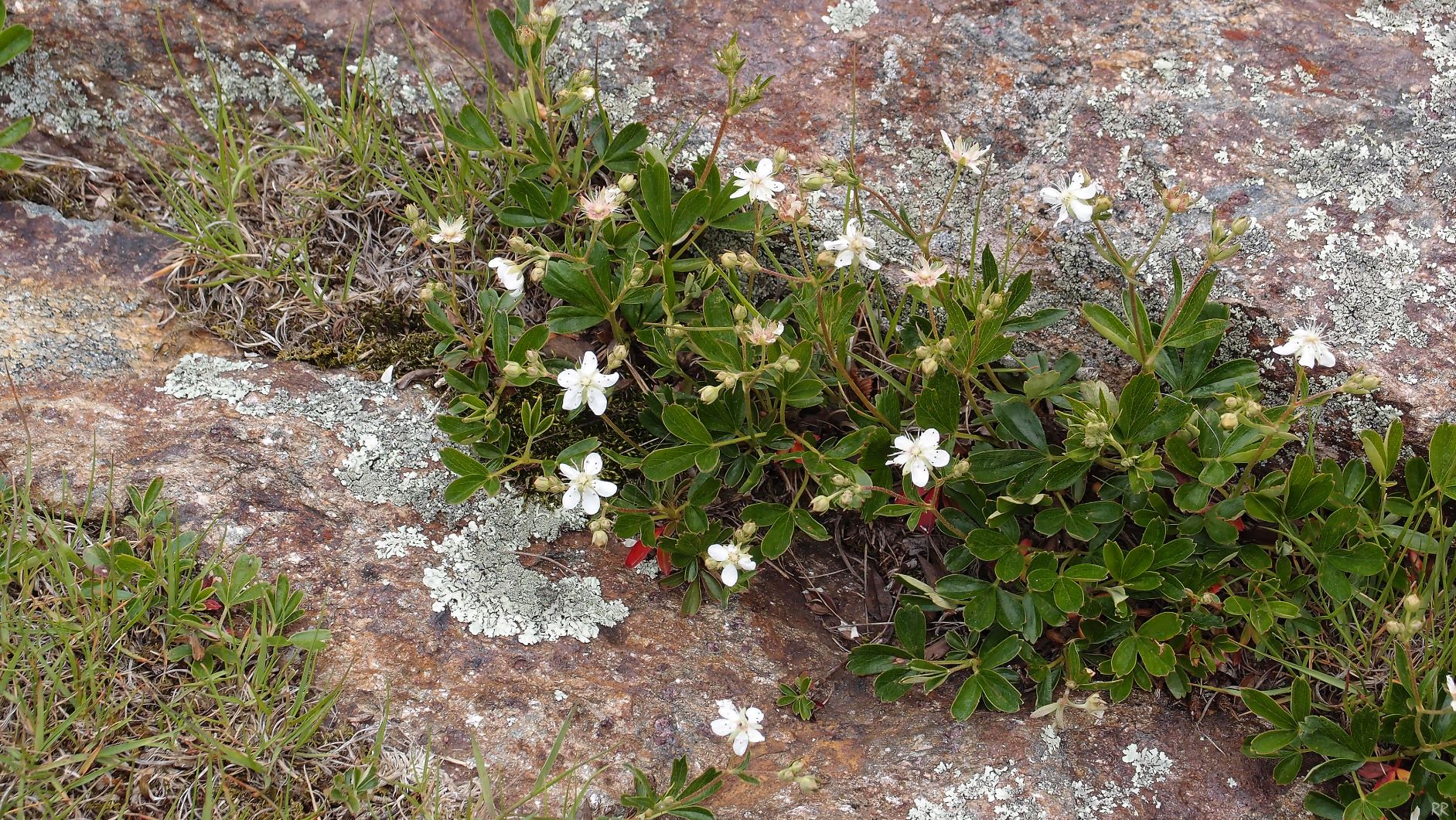
Three-toothed Cinquefoil
Blooms: June-August
Sibbaldiopsis tridentata
Found in sunny areas in shallow, rocky soil.
Milepost 364.1 at the start of the Craggy Pinnacle Trail
DOWNLOAD THE APP
Use our new app as a guide to help make your drive on the Parkway a safe and fun one.
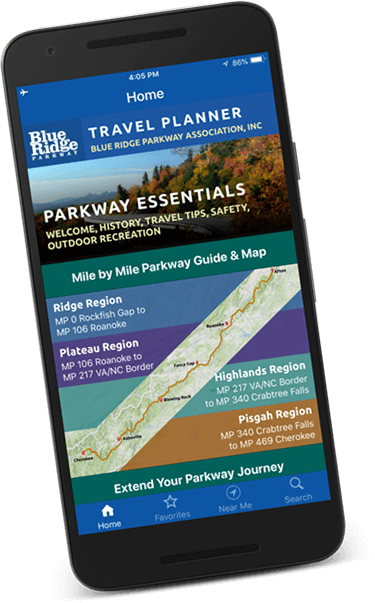
DOWNLOAD THE TRAVEL PLANNER
Map out your Parkway trip with a digital version of our complimentary travel guide.